
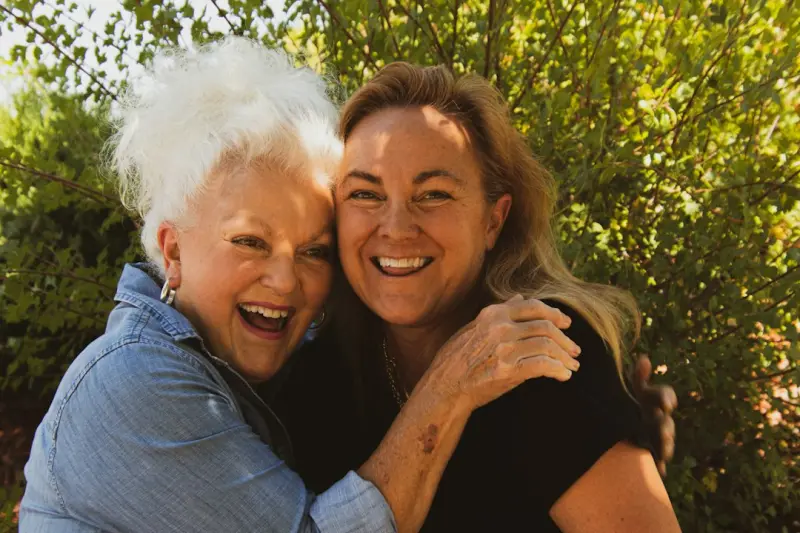
When we think about healthy aging, the conversation often lands on diet pills, high‑intensity workouts, or the latest anti‑gravity creams. While those tools can have a place, they’re merely accessories to the core principle that sustains vitality: meaningful connection. In my years of exploring wellness—from the lab bench to the boardroom—I’ve observed a quiet revolution unfolding in the lives of those who prioritize relationships, purpose, and community over the relentless pursuit of “more.” This article dives deep into why nurturing our social fabric can be the most potent, yet underrated, strategy for aging well.
Why Connection Beats Prescription
Science increasingly shows that humans are wired for belonging. The social brain hypothesis argues that our large neocortex evolved primarily to manage complex group dynamics, not to solve algebraic equations. When we lose touch with that network, the body pays a physiological price: elevated cortisol, chronic inflammation, and impaired immune function. These stress markers are the hidden culprits behind many age‑related ailments, from cardiovascular disease to neurodegeneration.
Contrast this with a prescription‑centric approach that treats symptoms after they appear. By weaving connection into daily life, you address the root cause—stress—before it spirals. In practice, this means cultivating a habit of intentional conversations, shared experiences, and reciprocal support.
Three Pillars of Connection‑Driven Longevity
Think of these pillars as the three legs of a sturdy stool. If one leg is missing, the whole structure wobbles.
- Intergenerational Mentorship: Bridging the gap between younger and older adults creates a two‑way flow of knowledge, empathy, and purpose.
- Community‑Based Physical Activity: Group walks, dance circles, or gardening clubs turn exercise into social events, amplifying both the mental and physical benefits.
- Shared Creative Projects: Collaborative art, music, or storytelling ignites neuroplasticity and reinforces a sense of belonging.
Below, we’ll unpack each pillar, share practical tips, and reference research that validates their impact.
Intergenerational Mentorship: A Two‑Way Street
Imagine a retired engineer who volunteers to teach coding to high‑school students. The students gain real‑world insight, while the engineer experiences renewed cognitive challenge, a surge of dopamine, and a renewed sense of relevance. Studies show that mentors over 65 who engage regularly with younger peers exhibit slower cognitive decline and report higher life satisfaction.
Getting started is easier than you think:
- Identify Local Programs: Libraries, community centers, and non‑profits often host “skill‑share” sessions.
- Leverage Digital Platforms: If physical meet‑ups are challenging, platforms like virtual mentorship hubs enable real‑time collaboration across distances.
- Set Mutual Goals: Rather than a one‑sided teaching model, co‑create projects that allow both parties to learn and contribute.
When mentorship becomes a regular rhythm, it transforms from a task into a relationship—an anchor that steadies both minds during life’s inevitable turbulence.
Community‑Based Physical Activity: Moving Together, Thriving Together
We all know that regular movement preserves muscle mass and cardiovascular health. What’s less obvious is that the social context of exercise magnifies those benefits. A 2019 longitudinal study followed 1,200 adults over ten years and found that participants who exercised in groups had a 30% lower risk of dementia compared to solo exercisers, even after adjusting for total activity minutes.
Here are three low‑barrier ideas to embed movement in community life:
- Walking Clubs: Choose a scenic route, set a weekly schedule, and invite neighbors. Use a simple step counter to track collective milestones—celebrate the 10,000‑step mark with a community potluck.
- Dance Circles: Music transcends language. Organize a monthly “dance‑around‑the‑world” night where participants teach each other a simple step from their culture.
- Garden Gatherings: Community gardens provide a purposeful, moderate‑intensity activity. Planting, weeding, and harvesting become shared rituals that foster both physical health and camaraderie.
By aligning physical exertion with social interaction, you create a feedback loop: endorphins boost mood, mood strengthens relationships, and relationships reinforce the habit of moving.
Shared Creative Projects: Art as Brain Food
Creative collaboration isn’t just a hobby; it’s a neuroprotective practice. When you co‑create—whether painting a mural, writing a community anthology, or forming a choir—you engage multiple brain networks simultaneously: motor, auditory, emotional, and linguistic. This multi‑modal stimulation promotes neurogenesis and strengthens synaptic connections.
Practical ways to integrate shared creativity include:
- Storytelling Circles: Gather monthly to share personal anecdotes. The act of recalling and narrating experiences reinforces episodic memory.
- Community Art Walls: Dedicate a wall in a local café or community center for rotating collaborative murals. Participants add a brushstroke each week.
- Choir or Rhythm Groups: Singing in harmony has been shown to improve lung capacity, balance, and emotional regulation.
When creativity is shared, the outcome is more than a finished piece; it becomes a living testament to collective resilience.
Integrating Connection Into Daily Routines
While the pillars provide a macro framework, the real magic happens in the micro‑moments—those brief interactions that, cumulatively, shape our neural pathways.
Morning Check‑In: Start each day with a brief “good morning” text to a friend or family member. Even a simple “thinking of you” triggers oxytocin release.
Lunch‑Buddy System: Pair up with a colleague or neighbor for a weekly lunch. Discuss topics unrelated to work to nurture a genuine bond.
Evening Reflection: Before bed, jot down three positive social experiences from the day. This gratitude practice reinforces the brain’s reward circuitry.
These habits are tiny, but their consistency is the key to long‑term benefit.
Measuring Success Without Scales
Traditional health metrics—weight, blood pressure, cholesterol—are useful, but they miss the relational dimension. To gauge the impact of a connection‑focused lifestyle, consider these qualitative markers:
- Social Frequency: Track how many meaningful interactions you have per week. Aim for at least three “deep” conversations.
- Purpose Rating: Use a simple 1‑10 scale to rate your sense of purpose after each activity.
- Emotional Resilience: Note how quickly you recover from minor stressors. A shorter “recovery time” often correlates with stronger social support.
By shifting the focus from numbers on a scale to the richness of daily life, you align metrics with the very essence of healthy aging.
When “Healthy Aging” Meets “Deep Cellular Detox”
Connection isn’t isolated from the body’s internal processes. A supportive social environment reduces chronic stress, which in turn lowers cortisol‑driven inflammation—a major barrier to effective deep cellular detox. When stress levels drop, the body’s natural detox pathways (like the lymphatic system and hepatic function) operate more efficiently, clearing out cellular debris that contributes to aging.
In other words, your social habits can indirectly amplify the benefits of any nutritional or detox regimen you adopt. It’s a synergistic relationship: the more you nurture your community, the more your cells thank you.
Longevity Lessons from “Lifelong Health Strategies”
While the focus of this post is connection, the principles echo those found in broader wellness frameworks. For instance, the lifelong health strategies that support gut balance in early life also stress the importance of environment and community. The same logic applies to aging: a vibrant, socially rich environment can be as protective as any probiotic.
Practical Toolkit: Your First 30‑Day Connection Challenge
Ready to put theory into practice? Here’s a step‑by‑step plan you can start today:
- Week 1 – Reach Out: Identify three people you haven’t spoken to in a while. Send a personalized note or call them.
- Week 2 – Move Together: Join or create a walking group. Schedule at least two group walks.
- Week 3 – Create Together: Sign up for a community art class or start a storytelling circle.
- Week 4 – Reflect & Adjust: Review your social frequency log, purpose rating, and emotional resilience notes. Adjust the activities that felt most rewarding.
By the end of the month, you’ll have built new habits, strengthened existing bonds, and likely noticed subtle shifts in mood, energy, and mental clarity.
Conclusion: The Quiet Power of Belonging
In a world obsessed with the next quick fix, the most profound prescription for healthy aging may be sitting at a kitchen table, sharing a story, or walking side‑by‑side with a neighbor. These actions don’t just fill our days—they fortify our bodies at a molecular level, sharpen our minds, and embed us in a narrative larger than ourselves.
If you’ve ever wondered why some people seem to glow with vitality well into their eighties, the answer often isn’t a miracle supplement; it’s a life lived in connection. Embrace the power of purposeful relationships, and you’ll discover that the fountain of youth has always been a conversation away.

William Roy is a freelance writer originally from Montreal who moved to Ottawa with his wife of 50 years to be closer to their grandkids. Alongside his writing, William has a passion for fishing.
Related Posts

Curiosity as a Longevity Engine: How Learning Keeps You Young
Curiosity isn’t just a mental pastime—it’s a powerful anti‑aging tool. Discover how asking q... Read More
Embracing Holistic Aging: A Personal Journey to Vibrant Longevity
A heartfelt guide to thriving in later years through holistic habits—nutrition, movement, sleep, g... Read More
Playful Aging: Games, Hobbies, and Curiosity for a Vibrant Later Life
Discover why intentional play—board games, creative pursuits, and light physical activities—can ... Read More
Top Posts

Chrono‑Hormesis: Syncing Stress With Your Body Clock for Longevity
Learn how timing mild stressors—cold exposure, light therapy, and intermittent fasting—to your body’s natural rhythms can amplify cellular repair, reduce ...Read More
Listening to the Quiet Organ: A Mindful Journey into Liver Health
A personal guide to liver wellness that blends mindfulness, micro‑movements, and chrono‑nutrition, offering practical steps to support the liver’s natural...Read More

Micro‑Narratives for Managing Blood Pressure: Turning Tiny Actions into a Calm Story
Learn how to use micro‑narratives, rhythmic alignment, and immune‑supportive habits to keep blood pressure low, all while fitting seamlessly into a busy pro...Read More

Unmasking the Flavor Frontier: How Modern E‑Liquids Shape Your Respiratory Micro‑World
A deep dive into the complex chemistry of flavored e‑liquids reveals how they affect the respiratory microbiome, offering breathwork techniques, flavor‑cycl...Read More
0 Comments
Post Comment
You will need to Login or Register to comment on this post!