
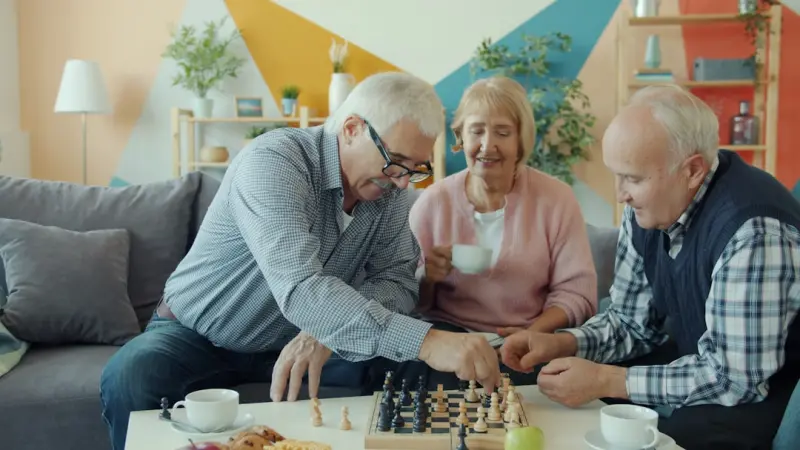
Why Play Isn’t Just for Kids: The Science‑Backed Case for a Playful Life After 50
When I was a teenager, my mother would roll her eyes at my endless rounds of board games and “silly” puzzles. Fast forward a few decades, and I’ve discovered that those very activities are the secret sauce for thriving in later years. The notion that play is a frivolous pastime belongs to a bygone era; today, research shows that intentional play—whether it’s a strategic board game, a hands‑on craft, or a spontaneous dance‑off in the kitchen—can rewire the aging brain, deepen social ties, and even bolster physical resilience.
The Neurobiology of Play: A Brain‑Boosting Blueprint
Our brains are remarkably plastic, even after the “golden age” of neurodevelopment. When we engage in playful activities, several neurochemical cascades light up:
- dopamine surges, reinforcing reward pathways and motivating us to seek out new challenges.
- norepinephrine spikes, sharpening attention and improving focus.
- brain‑derived neurotrophic factor (BDNF) increases, fostering the growth of new neurons and strengthening synaptic connections.
These chemicals aren’t just feel‑good buzz; they actively counteract age‑related cognitive decline. A 30‑minute session of a complex puzzle, for instance, can boost BDNF levels comparable to a light jog, but without the joint stress that many seniors worry about.
Play as Social Glue: Combating Loneliness at Any Age
Loneliness is a silent epidemic among older adults, linked to higher mortality rates, poorer immune function, and accelerated cognitive decline. Play offers a low‑pressure, high‑reward avenue to reconnect with others:
- Board game nights create structured conversation, reducing the awkwardness that can accompany casual small talk.
- Community theater or improv classes give participants a shared goal and a sense of belonging.
- Online multiplayer games bridge geographic gaps, allowing grandparents to bond with grandchildren across continents.
When you’re laughing over a surprise twist in a card game, your body releases oxytocin—the “bonding hormone.” This not only strengthens relationships but also lowers stress hormones like cortisol, creating a virtuous cycle of well‑being.
Choosing Play That Challenges: The Sweet Spot of “Just‑Right” Difficulty
Not all play is equal. The most beneficial activities sit in the “Goldilocks zone”—they’re not so easy that they become boring, nor so hard that they trigger frustration. This principle mirrors the concept of “flow,” a state of deep immersion where time seems to melt away.
Here are three categories of play that consistently hit that sweet spot for mature adults:
- Cognitive games: Chess, bridge, and strategy video games demand planning, pattern recognition, and adaptability.
- Creative pursuits: Painting, pottery, and knitting require fine motor skills, problem‑solving (how to fix a knot, choose a color palette), and imagination.
- Physical play: Light dancing, tai chi, or even garden obstacle courses combine movement with mental coordination.
By rotating through these categories, you keep different brain networks active, reducing the risk of “use it or lose it” decline.
Integrating Play into a Busy Lifestyle
Many seniors (and those caring for them) worry about fitting play into already packed schedules. The key is to treat play as a non‑negotiable micro‑habit, much like taking a daily vitamin.
Start with a 5‑minute “play sprint” each morning. Pick a quick puzzle app, a crossword, or a short stretch‑and‑shake dance routine. Over weeks, you’ll naturally expand to longer sessions—a board game with friends on Friday evenings, a weekly pottery class, or a monthly “game‑swap” where participants bring a favorite pastime to share.
Playful Nutrition: Feeding the Brain While You Have Fun
While the focus of this post is play, it’s impossible to separate the mind from the body. Pairing the right foods with your playful sessions can amplify the cognitive boost. For instance, snacking on antioxidant‑rich berries while solving a Sudoku puzzle can protect neurons from oxidative stress.
To dive deeper into how food combinations can enhance both flavor and health, explore our guide on culinary synergy. You’ll discover pairings that support brain health, such as walnuts with dark chocolate, or turmeric‑spiced hummus with whole‑grain crackers.
Technology as a Play Enabler, Not a Replacement
Modern tech can be a powerful ally in the quest for playful aging, but it must be used wisely. Interactive tablets with large icons make digital puzzles accessible, while voice‑controlled smart speakers can lead guided meditation or storytelling sessions.
For those concerned about safety and ease of use, especially when integrating tech into daily routines, check out our piece on smart home safeguards. It outlines how to set up voice‑activated lights, fall‑detection sensors, and simple interfaces that keep the focus on fun—not frustration.
Case Studies: Real‑World Success Stories
Marjorie, 68, retired teacher discovered a local “Game Café” where seniors meet weekly for board games. Within three months, she reported sharper recall of names and dates, and her doctor noted improved blood pressure—likely a byproduct of reduced stress.
David, 72, former engineer took up digital photography. The technical learning curve (manual settings, composition rules) kept his problem‑solving muscles flexed, while weekly photo walks gave him fresh air and a sense of purpose. He now volunteers as a mentor for youth photography clubs, merging play with intergenerational connection.
Elaine, 61, freelance writer joined a community theater group. Memorizing lines and embodying characters stretched her memory and empathy, leading to better mood regulation and a noticeable reduction in “brain fog.”
Designing Your Personal Play Plan
Creating a sustainable play routine is easier when you treat it like a project:
- Assess interests: List activities you’ve always wanted to try—card games, gardening, learning a musical instrument.
- Set micro‑goals: “Play a 15‑minute card game twice a week” or “Attend one pottery class this month.”
- Gather resources: Join local clubs, subscribe to an online platform, or set up a dedicated play space at home.
- Track progress: Keep a simple journal noting what you played, how you felt, and any cognitive or mood changes.
- Iterate: After a month, evaluate which activities felt most rewarding and adjust your schedule accordingly.
This structured approach ensures play doesn’t become another item on the “to‑do” list that gets shelved.
Overcoming Barriers: Common Myths Debunked
Myth 1: “I’m too old to learn something new.” The brain’s plasticity never fully disappears. Studies show that seniors who learn a new language or instrument can increase gray matter volume in regions associated with memory and executive function.
Myth 2: “Play is a waste of time.” In reality, every minute of meaningful play translates to measurable health benefits—lower cortisol, higher dopamine, improved cardiovascular health from light movement, and stronger social bonds.
Myth 3: “I don’t have friends to play with.” Online communities, senior centers, and intergenerational programs are abundant. A quick search for “senior game night” in your town will likely reveal a group eager for new members.
The Ripple Effect: How Play Improves Overall Lifestyle
When you embed play into your routine, you’ll notice spillover benefits:
- Better sleep: Physical and mental fatigue from engaging activities often leads to deeper, more restorative rest.
- Enhanced nutrition: Playful cooking classes or themed potluck nights encourage experimentation with wholesome ingredients.
- Increased mobility: Light dancing or garden games improve balance and flexibility, reducing fall risk.
- Financial confidence: Social clubs often share resources, discounts, and tips that help manage budgeting and healthcare costs.
Conclusion: Embrace the Inner Child, Keep the Outer Wisdom
Healthy aging isn’t about stagnation; it’s about evolution. By deliberately weaving play into the fabric of daily life, you nurture a brain that stays sharp, a heart that remains open, and a spirit that refuses to be boxed in by age. So, dust off that deck of cards, pick up a paintbrush, or log into a virtual strategy game—your future self will thank you.

Related Posts
Playful Curiosity: A Secret Weapon for Healthy Aging
A deep dive into the science and practical habits of playful curiosity, showing how asking “What i... Read More

Touch, Talk, and Thrive: How Human Connection Fuels Healthy Aging
This article explores the science behind social connection as a powerful anti‑aging tool, offering... Read More

Thriving Past 60: A Holistic Roadmap to Healthy Aging
A personal guide to aging gracefully, blending nutrition, exercise, mindset, and community for lasti... Read More
Top Posts

How Community Rituals Can Turn the Tide on Prediabetes
Learn how everyday community rituals—from group walks to shared meal planning—can dramatically improve glucose control, turning prediabetes into a collectiv...Read More

When Night Turns Violent: Understanding and Healing Sleep Terrors
Discover why sleep terrors happen, how they affect your life, and practical holistic methods to soothe the night and restore peaceful sleep....Read More
The Longevity Blueprint: Harnessing Purpose, Play, and Digital Balance
A fresh longevity guide shows how purpose, playful movement, mindful digital habits, community connection, and financial wellness combine to create a sustainabl...Read More

Reframing Prediabetes: Turning a Diagnosis into a Growth Opportunity
Prediabetes can be a powerful signal rather than a verdict. This article offers a fresh, compassionate framework—micro‑habits, seasonal eating, AI‑powered...Read More
0 Comments
Post Comment
You will need to Login or Register to comment on this post!