

When a newborn arrives, the world feels brand‑new, and so does the tiny ecosystem living inside that baby’s gut. While most parents focus on vaccinations, sleep schedules, and diaper changes, an invisible community of microbes is quietly setting the stage for everything from immune resilience to mood regulation. Understanding and nurturing this newborn microbiome isn’t a fad—it’s a science‑backed strategy that can shape a child’s health trajectory for years to come.
The Microbial Miracle That Begins at Birth
The moment a baby takes its first breath, it is introduced to a cascade of bacteria, fungi, and viruses that begin colonizing the skin, mouth, and most importantly, the gastrointestinal tract. These early colonizers act as teachers, guiding the development of the immune system, training it to recognize friend from foe. Research shows that infants with a diverse gut microbiome are less prone to allergies, eczema, and even certain autoimmune conditions later in life.
Why the First 100 Days Matter More Than You Think
Science calls the period from birth to roughly three months the “critical window.” During this time, the gut environment is highly adaptable, and the microbial composition can be influenced by a handful of daily choices. Think of it as planting a garden: the seeds you sow early determine the health of the entire landscape.
- Immune education: A balanced microbiome teaches immune cells to tolerate harmless substances, reducing the risk of hypersensitivity.
- Metabolic programming: Gut bacteria help break down breast milk sugars like oligosaccharides, providing nutrients that the infant cannot digest on its own.
- Neurological signaling: The gut‑brain axis begins forming now, with microbial metabolites influencing brain development and stress responses.
Breast Milk: Nature’s Probiotic Cocktail
Breastfeeding does more than deliver calories; it supplies live bacteria and prebiotic fibers that act as fuel for beneficial microbes. Human milk oligosaccharides (HMOs) are complex sugars that infants cannot digest, but they serve as nourishment for specific Bifidobacteria strains. These bacteria, in turn, outcompete potential pathogens and produce short‑chain fatty acids that fortify the gut lining.
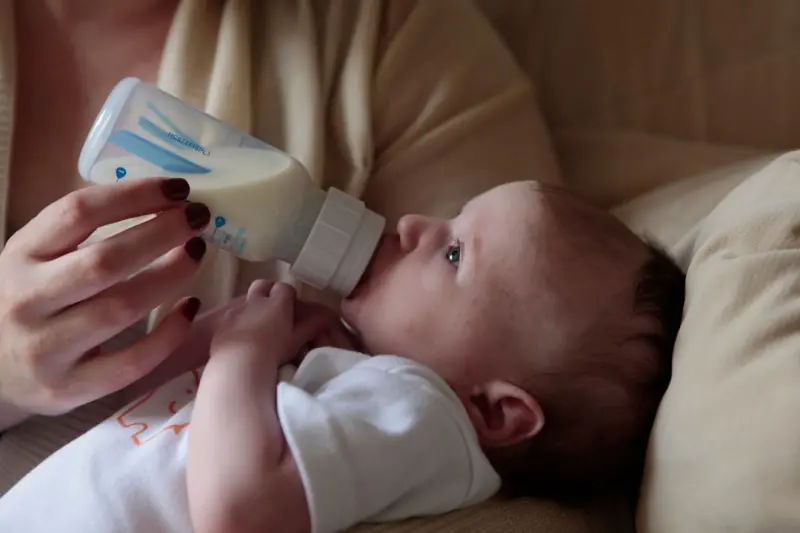
If you’re unable to breastfeed, consider fortified formula that includes prebiotic blends. While not a perfect replica of breast milk’s microbiome, these products can still provide a supportive environment for healthy colonization.
Skin‑to‑Skin Contact: More Than a Cuddle
Early skin‑to‑skin contact isn’t just comforting—it’s a direct route for beneficial microbes to transfer from parent to baby. The skin’s microbiota can seed the infant’s own skin and gut, especially when the baby’s mouth comes into contact with the caregiver’s skin during feeding or soothing. This simple act can boost microbial diversity and reinforce the infant’s barrier defenses.
Home Environment: The Silent Microbial Influencer
While the modern home is designed for cleanliness, an overly sterile environment can limit exposure to helpful microbes. Here are a few evidence‑based tweaks you can make without compromising safety:
- Houseplants: Certain indoor plants host beneficial microbes that can be inhaled or transferred via dust.
- Pet interaction: Supervised contact with family pets introduces diverse bacterial strains, especially from the dog’s fur and saliva.
- Natural fibers: Swaddles and clothing made from breathable, natural fibers (cotton, bamboo) allow the skin’s microbiome to breathe and thrive.
Fermented Foods for Mom: A Direct Line to Baby’s Gut
While infants themselves aren’t ready for most fermented foods, mothers can reap a microbiome boost by incorporating them into their own diets. Yogurt, kefir, sauerkraut, and kimchi are rich in live cultures that travel through breast milk, subtly influencing the baby’s gut ecosystem. For a deeper dive into the power of fermented foods, see explore the power of fermented foods.
Probiotic Supplements: Choosing Wisely
Not all probiotic products are created equal. When selecting a supplement for a nursing mother—or a toddler over six months—look for:
- Strains that have been clinically studied in infants, such as Bifidobacterium infantis and Lactobacillus reuteri.
- CFU counts that align with research recommendations (typically 1‑10 billion CFUs per serving).
- Third‑party testing for purity and viability.
Always consult with a pediatrician before introducing any supplement, especially if the baby was born prematurely or has underlying health conditions.
Daily Microbiome Checklist for New Parents
Below is a practical, day‑to‑day guide that translates science into manageable actions.
- Morning: If breastfeeding, start with a glass of water infused with a splash of kefir. For formula‑fed infants, ensure the formula is mixed with prebiotic‑enhanced powder.
- During Feeding: Practice skin‑to‑skin contact for at least 15 minutes. Talk to your baby; vocal vibrations can also stimulate beneficial bacterial activity.
- Mid‑Day: Open a window for fresh air. Let natural light filter in; sunlight supports vitamin D synthesis, which plays a role in gut barrier health.
- Afternoon: Take a short walk with your pet (if you have one) while the baby is safely in a carrier. The exposure to outdoor microbes can be a gentle inoculation.
- Evening: Rotate cotton swaddles and blankets, allowing the baby’s skin to breathe. Avoid heavy synthetic fabrics that can trap moisture and promote unwanted bacterial growth.
- Bedtime: Dim the lights and play soothing music. A calm environment reduces stress hormones that can negatively impact gut motility.
Myth‑Busting: Common Misconceptions About Infant Gut Health
Myth 1: “Antibiotics should never be given to infants.” While unnecessary antibiotic use can disrupt the microbiome, there are times when they are essential. If a baby truly needs antibiotics, pairing the course with a probiotic (under medical guidance) can help mitigate the impact.
Myth 2: “All probiotics are the same.” Probiotic efficacy is strain‑specific. A supplement that works for adult gut issues may not benefit an infant’s developing microbiome.
Myth 3: “A clean home equals a healthy baby.” Over‑sterilization can limit microbial exposure. Regular cleaning is vital, but allowing for natural dust, soil particles, and harmless microbes can be beneficial.
Long‑Term Benefits: The Ripple Effect of Early Microbial Care
Investing in a robust infant microbiome pays dividends far beyond the diaper years. Studies link early microbial diversity to:
- Lower incidence of asthma and allergic rhinitis.
- Reduced risk of obesity and metabolic syndrome in adolescence.
- Improved cognitive outcomes, including better attention spans and mood regulation.
These outcomes stem from the gut’s role in producing neurotransmitters, modulating inflammation, and training the immune system. In essence, a healthy gut is a foundational pillar for overall wellbeing.
Integrating Sensory Cues for Gut Harmony
Our environment doesn’t just affect the skin; it influences the gut too. Gentle sensory cues—like the aroma of a mother’s cooking or the soft hum of a lullaby—can modulate the infant’s stress response, which in turn affects gut motility and microbial balance. For a broader look at how sensory inputs can support natural detox pathways, check out learn how sensory cues can influence gut health.
Final Thoughts: A Microbial Legacy Worth Nurturing
Every parent wants to give their child a strong start, and the infant microbiome offers a tangible, science‑backed avenue to do just that. By blending mindful feeding, intentional skin contact, a balanced home environment, and targeted nutrition for the caregiver, you lay down a microbial foundation that supports immunity, digestion, and mental health for years to come. The choices you make today echo through your child’s future—so let’s make them count.

Craig Brett is a freelancer with a passion for the outdoors. His love for nature inspires his work, bringing authentic and engaging perspectives to projects related to outdoor activities, adventure, and environmental topics.
Related Posts

Data‑Driven Parenting: Harnessing Baby Wearables for Healthier Infants
This article delves into the rise of baby wearables, explaining key metrics they track, how to choos... Read More

Nurturing Tiny Minds: The Power of Early Sensory Play for Infant Health
Sensory play isn’t just cute—it’s essential for infant health. Learn the science behind touch,... Read More
Why Baby‑Led Feeding Beats the Bottle: A Parent’s Journey to Trusting Tiny Tummies
Explore the science and practical steps behind baby‑led feeding, from gut health and chrono‑nutr... Read More
Top Posts

Immersive Tech Meets Hands‑On Healing: Redefining Physiotherapy
Immersive technologies are reshaping physiotherapy, turning routine exercises into interactive, data‑rich sessions that boost motivation, provide real‑time ...Read More

Building Autoimmune‑Friendly Workplaces: Strategies for Sustainable Success
A practical guide for leaders to create flexible, supportive, and data‑informed workplaces that empower employees living with autoimmune disease, improving re...Read More

Holistic Hacks for Thriving Infants: A Modern Parent’s Guide
A dad’s fresh perspective on infant health, blending science with soul. Learn gut‑boosting foods, calming sleep rituals, and mindful feeding tips for a thri...Read More

Silencing the Night: How Light, Food, and Gut Health Fuel Sleep Terrors
Sleep terrors arise from mismatched signals like blue light, late heavy meals, and gut dysbiosis. This guide reveals how to reset your evening routine, use brea...Read More
0 Comments
Post Comment
You will need to Login or Register to comment on this post!