
Why Blood Pressure Deserves a Narrative, Not Just Numbers
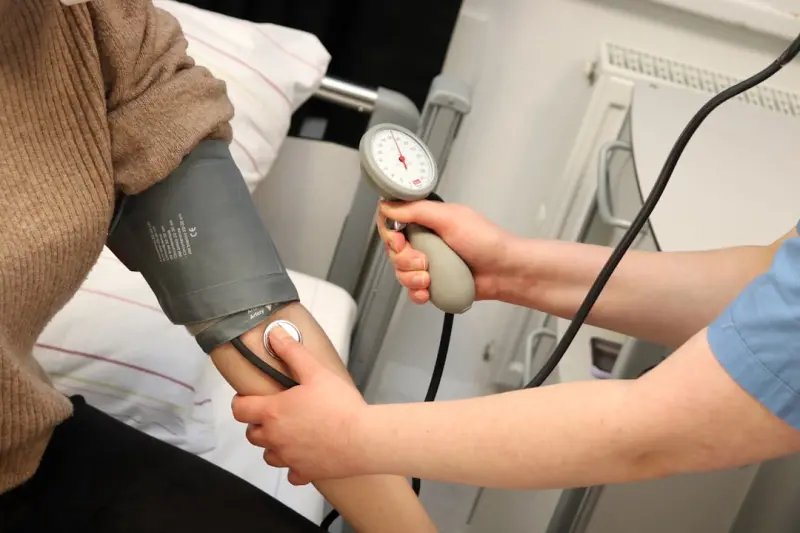
When I first heard the term “blood pressure” I imagined a static gauge—green, yellow, red—like a traffic light you could glance at and instantly know you were “go” or “stop.” In reality, it’s a living story that our bodies tell every single beat. It’s a conversation between our arteries, heart, hormones, and even the mental chatter that runs through our heads. If we treat it as a plot twist rather than a simple metric, we open the door to creative, sustainable ways to keep the pressure low without feeling like we’re stuck in a perpetual medical regimen.
The Hidden Scripts: Stress, Posture, and Breath
Stress is the most notorious villain in the blood‑pressure saga. It spikes adrenaline, tightens vessels, and tells the kidneys to hold onto sodium. But stress isn’t just “big‑picture” anxiety about deadlines. It can be the subtle, repetitive irritation of a squeaky office chair or the lingering “I should have replied sooner” that nags all day.
Posture plays a sneaky supporting role. Slouching compresses the thoracic cavity, forcing the heart to work harder to push blood upward. That extra effort translates to a higher systolic number, even if you’re otherwise fit.
Breath is the unsung hero. The way we inhale and exhale influences the vagus nerve, the body’s natural “calm button.” Shallow, rapid breathing keeps the nervous system in fight‑or‑flight mode, while slow, diaphragmatic breaths trigger parasympathetic relaxation, gently coaxing blood pressure down.
Micro‑Narratives: Tiny Stories That Shift the Whole Plot
Instead of overhauling your entire lifestyle in one massive leap, try embedding micro‑narratives—tiny, repeatable actions that each tell a calming story to your cardiovascular system.
- The 60‑Second Sit‑Stand Switch: Every hour, stand up for a minute, stretch, and sit back down. This micro‑movement signals to your vessels that you’re active, preventing the “static” pressure build‑up that occurs during prolonged sitting.
- Two‑Breath Reset: Whenever you notice a stressful thought, pause and take two slow, 4‑second inhales followed by a 6‑second exhale. The brief pause rewires the brain’s stress response loop.
- Color‑Cue Hydration: Keep a bright, colored water bottle on your desk. Each sip becomes a visual cue that you’re caring for your blood volume and, by extension, your pressure.
These micro‑narratives are low‑effort, high‑impact, and they fit neatly into a busy professional’s day—exactly the kind of approach that resonates with my own “on‑the‑go” mindset.
Connecting the Dots: Rhythm, Immunity, and Blood Pressure
One of my favorite discoveries lately is how rhythmic alignment can smooth out blood pressure spikes. Our bodies run on circadian rhythms, and when meals, sleep, and movement sync up, the autonomic nervous system stays balanced. Even something as simple as eating at consistent times can prevent the “post‑lunch surge” that many office workers dread.
Another unexpected player is the immune system. Chronic, low‑grade inflammation nudges blood vessels to become stiffer, a prime contributor to hypertension. I recently dove into immune‑focused strategies and found that anti‑inflammatory foods, adequate sleep, and stress‑reduction techniques create a triple‑protective shield for blood pressure.
Storytelling Your Way to a Calmer Artery
Humans are wired for stories. When you frame blood‑pressure management as a narrative—complete with heroes, obstacles, and victories—you’re more likely to stick with it. Here’s how to build that storyline:
- Identify the Hero: In this plot, you are the hero. Acknowledge that you have agency over your vascular health.
- Define the Villain: Pinpoint your primary stressor—whether it’s a demanding client, a noisy office, or an irregular sleep schedule.
- Map the Quest: Set tiny, measurable goals. For example, “I will stand for one minute every hour for the next two weeks.” Each completed goal is a victory lap.
- Celebrate the Side‑kicks: Recognize supportive habits like drinking water, deep breathing, or a quick walk. They’re the trusty companions that help you defeat the villain.
This narrative framework transforms a clinical recommendation into an engaging adventure. It also makes it easier to share your progress with friends or a health coach, turning accountability into a collaborative story.
Practical Toolkit: Everyday Gear for Blood‑Pressure Mastery
Below is a curated list of tools and tricks that blend seamlessly into a modern workspace:
- Desk‑Mounted Posture Reminder: Small devices that vibrate when you slouch. They act like a gentle narrator nudging you back into an upright stance.
- Wearable Pulse Tracker: Modern wearables give real‑time feedback on heart‑rate variability (HRV). A higher HRV often correlates with lower stress and, consequently, lower blood pressure.
- Ambient Sound Apps: Soft, binaural beats calibrated to the 0.1‑Hz frequency can enhance vagal tone, supporting a calmer circulatory system.
- Portable Breath‑Box: A small, pocket‑sized device that guides you through a 4‑7‑8 breathing pattern, perfect for those impromptu stressful moments.
Integrating even one of these tools can amplify the impact of your micro‑narratives.
Measuring Success Without Obsession
Traditional blood‑pressure monitoring can become an anxiety trigger if you check it obsessively. Instead, adopt a “trend‑watch” mindset:
- Weekly Averages: Log your readings once daily (preferably morning) and review the weekly average, not each individual number.
- Feeling‑Based Check‑Ins: Pair your numbers with subjective scores for energy, mood, and sleep quality. Over time, you’ll see how lifestyle tweaks affect both the data and your lived experience.
- Celebrate Plateaus: When you maintain a stable, healthy range for a month, treat it as a narrative climax—reward yourself with a non‑food treat, like a new book or a mini‑adventure.
This approach reduces the “monitoring stress” loop and aligns your mindset with the story‑centric strategy we’ve been building.
Future‑Proofing Your Vascular Health
As technology evolves, we’ll see more AI‑driven insights that integrate blood‑pressure data with sleep, nutrition, and stress metrics. While these tools will become more sophisticated, the core principle remains: you are the author of your health story. By embracing micro‑narratives, rhythmic alignment, and immune‑supportive habits, you lay a resilient foundation that will adapt to whatever new data points emerge.
Remember, managing blood pressure isn’t about a single heroic sprint; it’s a marathon of chapters, each built on tiny, intentional actions. Keep writing, keep iterating, and watch your story unfold with a calm, steady beat.

Nikki McDonald is a freelancer based in Waterloo. She brings her skills and expertise to various projects, balancing her professional work with a personal life that includes her husband, Stewart.
Related Posts

The Sound of Calm: How Ambient Audio Can Lower Blood Pressure
Learn how the right ambient sounds, from low‑frequency tones to binaural beats, can quietly lower ... Read More

Managing Blood Pressure: A Holistic Approach to Wellness
Learn how to manage blood pressure through a holistic approach that incorporates lifestyle changes, ... Read More

The Sound of Calm: How Music and Rhythm Can Lower Your Blood Pressure
A fresh look at using sound, breath, and simple daily habits to tame blood pressure, backed by scien... Read More
Top Posts

Rebooting Your Body’s Hidden Filtration System: A New Take on Detox
Explore a fresh, holistic detox approach that goes beyond juice cleanses—leveraging cellular autophagy, skin‑based elimination, and EMF management to boost ...Read More

Reclaiming Your Night: How a Simple Bedtime Routine Can Supercharge Immunity
A practical, 7‑step bedtime blueprint shows how dimming lights, breath work, oral care, and consistent sleep timing can transform your night into a powerful i...Read More

Turning Cancer Treatment Into a Personal Data Quest
Learn how a data‑centric mindset transforms cancer treatment, from wearables and symptom apps to community insights, giving patients actionable control over t...Read More

The Quiet Power of Pelvic Wellness: A Modern Guide for Women
A comprehensive, science‑backed guide that helps women understand and nurture their pelvic floor, offering everyday practices, lifestyle tweaks, and the lates...Read More
0 Comments
Post Comment
You will need to Login or Register to comment on this post!