
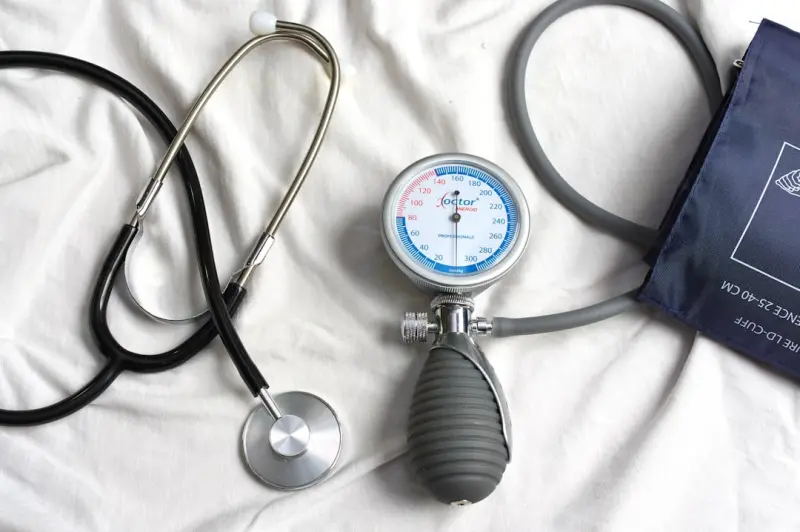
Why I Switched From Guesswork to Real‑Time Biofeedback
When I first got the buzz about “bio‑feedback” in a conference hallway, my brain automatically paired it with the clunky machines from the 80s that looked like they belonged in a sci‑fi museum. Fast forward a few years, and the same term now lives comfortably on my wrist, in my phone, and even on my smart ring. The difference? The feedback is instant, actionable, and, most importantly, personalized. If you’ve ever tried to manage blood pressure with a once‑a‑day pill and a vague “watch your sodium” mantra, you know how frustrating that can feel. Bio‑feedback flips the script: instead of reacting to a number you see once a month, you’re learning to see—and influence—those numbers in real time.
The Science Behind Real‑Time Vascular Coaching
Blood pressure isn’t a static “high” or “low” state; it’s a dynamic dance between heart output, vessel elasticity, and peripheral resistance. When you stand, exercise, stress, or even sip a coffee, that dance changes in seconds. Wearable sensors can capture the subtle shifts in pulse wave velocity, heart‑rate variability (HRV), and peripheral arterial tone. When paired with algorithms that translate raw data into a readable “stress index,” you get an immediate snapshot of how your body is reacting to the world.
Research shows that when people receive continuous physiological feedback, they develop better self‑regulation skills. One study found that participants who trained with real‑time HRV bio‑feedback reduced their systolic pressure by an average of 8 mmHg after just six weeks. The key isn’t the device itself; it’s the behavioral loop that the device enables.
Building Your Bio‑Feedback Toolkit
- Wearable Sensor: Look for devices that measure PPG (photoplethysmography) or ECG‑grade heart rate, and that can export raw data via Bluetooth.
- Companion App: The app should offer real‑time visualizations (e.g., a rolling graph of systolic/diastolic trends) and customizable alerts.
- Action Triggers: Set thresholds that prompt a breath‑work session, a short walk, or a posture reset.
- Data Dashboard: Export the data to a spreadsheet or a health‑platform (Apple Health, Google Fit) for long‑term trend analysis.
If you’re wondering where to start, my go‑to combo is a sleek wristband that captures PPG plus an open‑source app that lets me script my own alerts. The beauty of it is that you can explore practical pressure hacks without feeling like you’re adding another “to‑do” list item.
Setting Up the Feedback Loop: From Data to Action
1. Baseline Capture – Spend a week wearing the sensor continuously (except when showering). Don’t change any habits yet; you need a true “as‑is” picture of your vascular tone.
2. Identify Peaks – Use the app’s heat‑map to locate the times of day when your systolic spikes. Common culprits are post‑lunch caffeine, late‑afternoon meetings, and even the “commute‑stress” window.
3. Choose Micro‑Interventions – For each identified peak, assign a 2‑minute intervention. It could be a box‑breathing routine, a quick stretch, or a brief mindfulness cue. The goal is to keep the intervention short enough that you’ll actually do it.
4. Close the Loop – After each intervention, watch the live graph for a dip in the stress index. If the dip appears, you’ve just trained your autonomic nervous system to respond to that cue.
5. Iterate – After two weeks, review the aggregated data. Which interventions gave the biggest and most consistent pressure reduction? Double down on those, retire the rest.
Micro‑Training Routines That Fit Into Any Schedule
It’s tempting to think you need a full yoga session to see results, but the research (and my own experience) tells a different story. Below are three “micro‑training” protocols that pair seamlessly with real‑time feedback:
- Box‑Breath Reset – Inhale 4 seconds, hold 4, exhale 4, hold 4. Repeat for two cycles whenever your stress index spikes above the green zone.
- Posture Micro‑Shift – Stand, roll shoulders back, engage core, and hold for 30 seconds. The slight change in thoracic pressure can lower systolic pressure within minutes.
- Cold‑Splash Wake‑Up – Splash your face with cool water or run your hands under cold tap for 15 seconds. The brief sympathetic surge followed by parasympathetic rebound can “reset” vascular tone.
Each of these takes less time than checking your phone, and because they’re triggered by a data‑driven alert, you’re more likely to follow through.
The Psychology of Seeing Numbers in Real Time
Seeing a line rise on a graph can be anxiety‑provoking—especially if you’ve spent years fearing that “high blood pressure” label. That’s why it’s crucial to reframe the data as a coach, not a judge. I use a “growth mindset” approach: every spike is a learning opportunity, not a failure. Over the first month, my own stress index became a neutral color palette rather than a red warning flag. The shift in perception alone contributed to a measurable pressure drop.
If you crave community support, consider joining a community‑based blood pressure support group. Sharing your graphs, celebrating micro‑wins, and swapping intervention ideas can amplify motivation and keep you accountable.
Common Pitfalls (And How to Dodge Them)
- Over‑Monitoring – Checking your pressure every minute can become an obsessive habit. Set a reasonable alert threshold (e.g., “only notify me if systolic > 130 for 5 minutes”).
- Data Overload – The raw data can be intimidating. Focus on trends, not individual points. Weekly averages are more meaningful than hourly spikes.
- One‑Size‑Fits‑All Interventions – Not every micro‑intervention works for everyone. Tailor yours based on what the data tells you.
- Neglecting Baseline Health Factors – Bio‑feedback isn’t a magic wand. Pair it with proven lifestyle pillars: a DASH‑style diet, regular aerobic activity, and adequate sleep.
Integrating Bio‑Feedback With Lifestyle Pillars
While the tech does the heavy lifting of awareness, the fundamentals still matter. Here’s how to weave the two together:
- Nutrition – Use your data to see how meals affect pressure. You might discover that a high‑potassium snack after lunch consistently brings your stress index down.
- Movement – Schedule a 5‑minute walk after the post‑lunch alert. The movement will boost nitric oxide production, improving vessel elasticity.
- Sleep Hygiene – If your evening stress index trends upward, experiment with a wind‑down routine (no screens, dim lights, maybe some ambient audio for stress reduction).
Future Trends: What’s Coming Next?
We’re on the cusp of a new generation of “closed‑loop” bio‑feedback devices that will not only alert you but also deliver corrective actions automatically. Imagine a smart shirt that subtly inflates a compression cuff when it detects a pressure spike, or a smartwatch that initiates a gentle vibration paired with a guided breath‑session. The goal is to make the response effortless—the same way a thermostat maintains temperature without you having to think about it.
Another exciting frontier is AI‑driven pattern recognition. By feeding months of data into a machine‑learning model, you could get predictive alerts that warn you of an impending spike before it happens, based on your unique circadian rhythm, stressors, and recent activity.
Wrapping Up: From Passive Numbers to Active Mastery
Managing blood pressure used to feel like you were fighting a hidden enemy with a blindfold on. Real‑time bio‑feedback hands you the flashlight. By turning raw physiological data into actionable micro‑interventions, you become the driver of your own vascular health. Start small, stay consistent, and let the feedback loop teach you what works for your body. In the weeks that follow, you’ll notice that the numbers on the chart start to behave—just like a well‑trained instrument.

Brody Lambert is an emerging freelance writer whose fresh voice and thoughtful approach are quickly making their mark. As a fairly new entrant in the world of freelance writing, Brody brings a blend of curiosity and dedication that fuels every project, crafting stories and content that resonate with authenticity and clarity.
Related Posts
Breathing, Balance, and Everyday Blood Pressure Mastery
A hands‑on guide that blends mindful breathing, ergonomic posture, and everyday habits to help you... Read More

Silent Signals: How Your Office Environment Shapes Blood Pressure
A deep dive into the hidden environmental factors at work that raise blood pressure, with actionable... Read More

Time‑Smart Eating: A New Rhythm for Lower Blood Pressure
Learn a fresh, rhythm‑based approach to managing hypertension by timing meals, movement, and breat... Read More
Top Posts

Designing a Pregnancy‑Friendly Home Without the Clutter
Learn how to create a calm, clutter‑free home for pregnancy with minimalist design, multi‑functional furniture, sustainable materials, and smart budgetingâ€...Read More

Finding Purpose After Retirement: How Volunteering, Mentorship, and Lifelong Learning Boost Senior Health
Explore the powerful link between purpose and senior health. From volunteer work to intergenerational mentorship and lifelong learning, this guide offers action...Read More

The Liver’s Hidden Levers: A Practical Playbook for Sustainable High Performance
Explore a practical, data‑driven playbook that blends nutrition, stress management, movement, and lifestyle tweaks to keep your liver thriving and support ove...Read More

Digital Boundaries: The Overlooked Longevity Lever
Discover why reducing screen time and creating tech‑free zones is a powerful, often missed strategy for a longer, healthier life....Read More
0 Comments
Post Comment
You will need to Login or Register to comment on this post!