
The Impact of Exercise on Mental Health in Seniors
As we age, our bodies undergo a range of changes that can affect our physical and mental health. One of the most significant challenges facing seniors is the decline in mental health, which can manifest in a range of ways, from depression and anxiety to cognitive decline and dementia. However, research has shown that exercise can play a critical role in promoting mental health in seniors. In this article, we will explore the complex relationship between exercise and mental health in seniors, and discuss the ways in which physical activity can be used to support overall wellbeing.
Regular exercise has been shown to have a positive impact on mental health in seniors, reducing symptoms of depression and anxiety, and improving cognitive function. Studies have also highlighted the importance of exercise in maintaining a healthy weight, which is a critical factor in overall health and wellbeing. Furthermore, exercise has been shown to improve sleep quality, which is essential for mental health. Insomnia and other sleep disorders can have a significant impact on mental health, and exercise has been shown to be an effective way to manage these conditions.
The Benefits of Exercise for Mental Health in Seniors
The benefits of exercise for mental health in seniors are numerous and well-documented. Physical activity has been shown to:
* Reduce symptoms of depression and anxiety * Improve cognitive function and reduce the risk of dementia * Improve sleep quality * Enhance mood and overall sense of wellbeing * Support weight management * Improve bone density and reduce the risk of osteoporosis
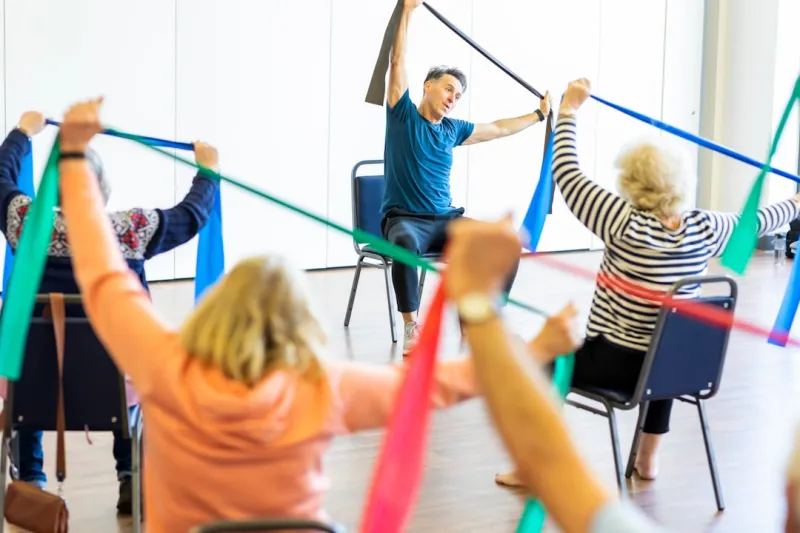
In addition to these physical benefits, exercise has also been shown to have a positive impact on mental health in seniors by providing opportunities for social interaction and community engagement. Group fitness classes, walking clubs, and other exercise programs can help seniors connect with others and build relationships, which is essential for mental health and wellbeing.
The Importance of Tailoring Exercise Programs to Seniors
While exercise is essential for mental health in seniors, it's also important to tailor exercise programs to the needs and abilities of older adults. Seniors may have a range of physical limitations and health conditions that need to be taken into account when designing exercise programs. For example, seniors with mobility issues may need to focus on low-impact exercises such as swimming or cycling, while those with chronic health conditions may need to modify their exercise programs to avoid exacerbating their condition.
Physiotherapists and other healthcare professionals can play a critical role in designing exercise programs that meet the needs of seniors. By working with seniors to develop personalized exercise plans, healthcare professionals can help older adults achieve their health and wellbeing goals, while also reducing the risk of injury or exacerbating existing health conditions.
Overcoming Barriers to Exercise
Despite the many benefits of exercise for mental health in seniors, there are often barriers to physical activity. Some of the most common barriers to exercise in seniors include:
* Lack of access to exercise facilities or programs * Physical limitations or health conditions that make exercise difficult * Lack of motivation or interest in exercise * Fear of injury or exacerbating existing health conditions
To overcome these barriers, it's essential to provide seniors with access to exercise programs that are tailored to their needs and abilities. This may involve working with healthcare professionals, community organizations, and exercise professionals to develop programs that are safe, effective, and engaging.
The Role of Preventive Care in Supporting Mental Health in Seniors
Preventive care is essential for supporting mental health in seniors. By identifying and addressing health issues early, preventive care can help reduce the risk of mental health problems, such as depression and anxiety. Preventive care can also help seniors maintain their physical function and mobility, which is critical for overall health and wellbeing.
Conclusion
In conclusion, exercise plays a critical role in promoting mental health in seniors. By providing opportunities for physical activity, social interaction, and community engagement, exercise can help reduce symptoms of depression and anxiety, improve cognitive function, and support overall wellbeing. To maximize the benefits of exercise for mental health in seniors, it's essential to tailor exercise programs to the needs and abilities of older adults, and to provide access to preventive care and other support services.
Some of the key takeaways from this article include:
* Exercise is essential for mental health in seniors * Physical activity can help reduce symptoms of depression and anxiety, improve cognitive function, and support overall wellbeing * Exercise programs should be tailored to the needs and abilities of older adults * Preventive care is critical for supporting mental health in seniors * Healthcare professionals, community organizations, and exercise professionals can play a critical role in supporting mental health in seniors through exercise and preventive care.
By prioritizing exercise and preventive care, seniors can maintain their physical and mental health, and enjoy a high quality of life as they age.
Recommendations for Seniors and Healthcare Professionals
Based on the research and evidence presented in this article, we recommend that seniors and healthcare professionals take the following steps to prioritize exercise and mental health:
* Consult with a healthcare professional before starting any new exercise program * Develop a personalized exercise plan that takes into account physical limitations and health conditions * Engage in regular physical activity, such as walking, swimming, or cycling * Prioritize preventive care, including regular health check-ups and screenings * Seek out opportunities for social interaction and community engagement through exercise programs and other activities.
By working together, seniors and healthcare professionals can promote mental health and wellbeing, and support healthy aging.

Deb Roberts is a freelancer who writes on various subjects, bringing versatility and depth to her work. Alongside her broad writing expertise, she has a special passion for horses.
Related Posts

The Hidden Power of Micro‑Movement: Turning Everyday Motion Into Peak Performance
Micro‑movement—brief, frequent bursts of activity—can dramatically improve focus, creativity, ... Read More

Tom Ferguson’s Holistic Fitness Playbook for 2024
Tom Ferguson shares a holistic fitness blueprint that blends movement, nutrition, sleep, mindset, an... Read More

Moving Beyond the Mirror: A Holistic Journey to Joyful Exercise
A personal, holistic guide to turning exercise into a celebration, balancing breath, nutrition, and ... Read More
Top Posts

Storytelling as a Brain Gym: Boosting Senior Cognitive Health Through Narrative
Storytelling offers seniors a low‑impact, high‑return brain workout that enhances memory, mood, and social connection. Learn practical steps to weave narrat...Read More

Nurturing Your Liver Through the Gut‑Liver Axis: A Personal Journey
Learn a personal, gut‑focused approach to liver health, featuring fermented foods, herbs, toxin reduction, and simple movement for lasting wellness....Read More

Why Brotherhood Workouts Are the Secret Weapon for Men’s Longevity
Brotherhood workouts combine heavy lifting, shared goals, and social bonding to boost hormones, improve recovery, and enhance mental focus, offering men a power...Read More

Beyond the Juice Cleanse: Unlocking Your Body’s Hidden Detox Networks
Learn practical, science‑backed habits—from lymphatic flow drills and contrast showers to strategic breathing and kidney‑friendly hydration—that turn ev...Read More
0 Comments
Post Comment
You will need to Login or Register to comment on this post!