

The Power of Exercise in Managing Mental Health
As someone who's passionate about fitness and mental wellbeing, I've always been fascinated by the intricate relationship between exercise and mental health. It's no secret that regular physical activity can have a profound impact on our mental wellbeing, but what exactly are the benefits, and how can we harness the power of exercise to manage stress, anxiety, and depression? In this article, I'll explore the complex relationship between exercise and mental health, and provide some practical tips on how to get started.
Regular exercise has been shown to have a positive impact on mental health by reducing symptoms of anxiety and depression, improving mood, and enhancing cognitive function. But how does it work? Exercise has been shown to increase the production of endorphins, also known as "feel-good" hormones, which can help to alleviate symptoms of depression and anxiety. Additionally, exercise has been shown to reduce inflammation, which is a major contributor to mental health disorders. By incorporating regular physical activity into our daily routine, we can take a proactive approach to managing our mental health.
The Benefits of Exercise for Mental Health
So, what are the benefits of exercise for mental health? The list is extensive, but some of the most significant advantages include:
- Reduced symptoms of anxiety and depression
- Improved mood and reduced stress levels
- Enhanced cognitive function and concentration
- Improved sleep quality
- Increased self-esteem and body confidence
But what's even more interesting is the connection between exercise and mental health in different demographics. For example, research has shown that exercise can have a profound impact on mental health in seniors, reducing symptoms of depression and anxiety, and improving cognitive function. Similarly, studies have shown that exercise can play a critical role in managing mental health in men, reducing symptoms of depression and anxiety, and improving overall wellbeing.
Getting Started with Exercise for Mental Health
So, how can we get started with exercise for mental health? The good news is that you don't need to be a fitness enthusiast to reap the benefits of exercise for mental health. Even small amounts of physical activity, such as a short walk or some light stretching, can have a positive impact on mental wellbeing. Here are some practical tips to get you started:
- Start small: Begin with short, manageable sessions of physical activity, such as a 10-minute walk or some light stretching.
- Find an activity you enjoy: Engage in physical activities that bring you joy, whether it's walking, running, swimming, or dancing.
- Make it a habit: Incorporate physical activity into your daily routine, such as exercising first thing in the morning or during your lunch break.
- Seek support: Exercise with a friend or family member, or join a fitness class to stay motivated and accountable.
The Connection Between Exercise and Mental Health in Different Contexts
But exercise and mental health are not just connected in individual contexts. Research has also shown that exercise can play a critical role in managing mental health in the context of weight loss. By incorporating regular physical activity into our weight loss journey, we can improve our mental wellbeing, reduce stress and anxiety, and increase our chances of success. Similarly, exercise can play a critical role in promoting healthy aging, reducing symptoms of depression and anxiety, and improving overall wellbeing.
Conclusion
In conclusion, the power of exercise in managing mental health cannot be overstated. By incorporating regular physical activity into our daily routine, we can take a proactive approach to managing stress, anxiety, and depression, and improve our overall wellbeing. Whether you're a fitness enthusiast or just starting out, the benefits of exercise for mental health are undeniable. So why not get started today?
Final Tips and Recommendations
Finally, here are some final tips and recommendations for harnessing the power of exercise for mental health:
- Be consistent: Aim to exercise regularly, even if it's just a few times a week.
- Listen to your body: Rest and recover when you need to, and don't push yourself too hard.
- Seek professional help: If you're struggling with mental health issues, consider seeking help from a mental health professional.
By following these tips and incorporating regular physical activity into our daily routine, we can take a proactive approach to managing our mental health, and improve our overall wellbeing.

Becky Putman is an Ottawa-based freelance writer and marketing professional with a passion for storytelling, animals, and community involvement. She enjoys creating engaging content that informs, inspires, and connects with readers.
Related Posts

Designing the Perfect Sensory Workout Zone
Learn how to turn your workout environment into a powerful training partner by adjusting light, soun... Read More

The Hidden Power of Micro‑Movement: Turning Everyday Motion Into Peak Performance
Micro‑movement—brief, frequent bursts of activity—can dramatically improve focus, creativity, ... Read More
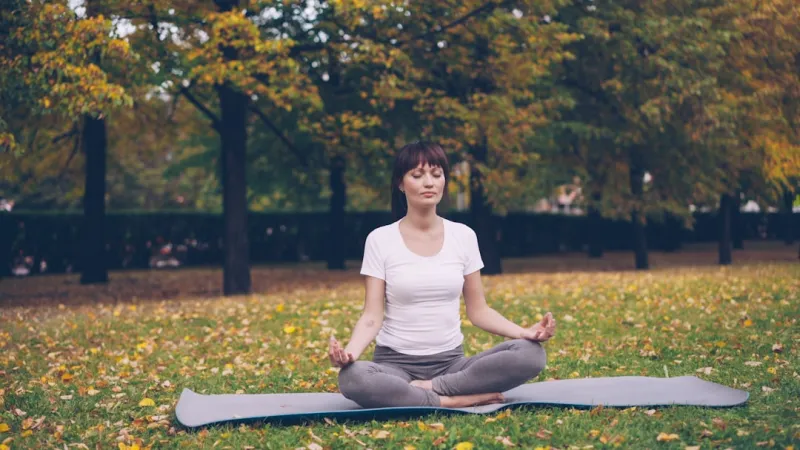
Mindful Movement: The Fitness Trend That Merges Sweat With Serenity
Explore the rise of mindful movement, a fitness trend that fuses breath work, balanced workouts, and... Read More
Top Posts

Micro‑Movement Integration: The Quiet Catalyst for High‑Performance Brainpower
Discover a practical, science‑backed approach to embedding micro‑movement breaks into your workday, unlocking sharper cognition and lasting resilience witho...Read More

Beyond the Bump: Redefining Pregnancy Through Data‑Driven Self‑Care
A fresh look at pregnancy that blends wearable technology, real‑time nutrition tracking, and community insights, showing how data can enhance comfort, confide...Read More

Micro‑Journaling: A Tiny Habit with Big Mental‑Health Payoff
Learn the power of micro‑journaling: a simple, 60‑second habit that rewires your brain, reduces stress, and fuels lasting mental‑health growth....Read More

Neuro‑Play: Turning Everyday Curiosity into Brain Power
Learn how to embed micro‑brain workouts—like the “Question of the Hour” and sensory reset walks—into everyday routines, boosting neuroplasticity and c...Read More
0 Comments
Post Comment
You will need to Login or Register to comment on this post!