
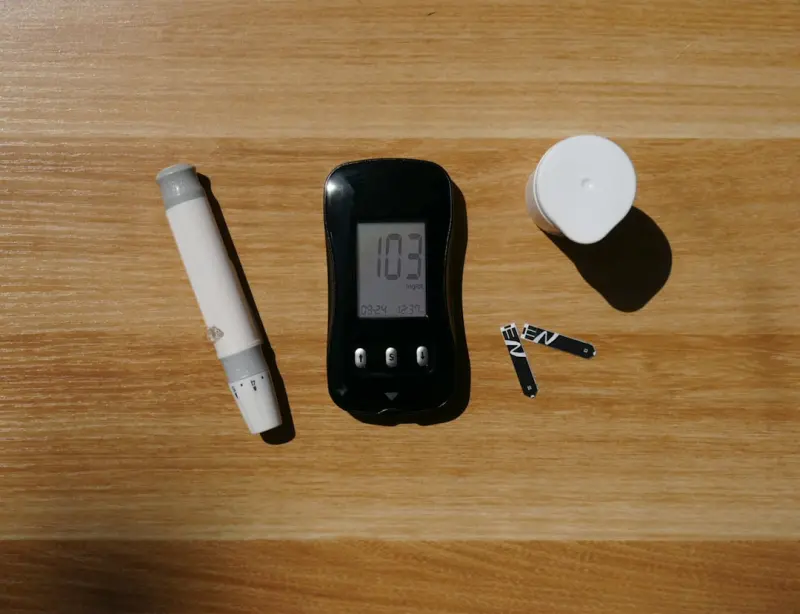
Why Prediabetes Isn’t Just a Sugar Issue
When I first got the “borderline” label on my blood work, I imagined a simple equation: eat less, move more, watch the numbers drop. That mental model felt safe, predictable, and, frankly, boring. It also turned out to be wildly incomplete. Prediabetes lives in the gray zones of stress, gut chemistry, micro‑movements, and the subtle ways technology rewires our endocrine system. If you’re reading this, you probably already know the textbook definition—fasting glucose between 100‑125 mg/dL, an elevated A1C, and a warning bell that rings louder with each sugary sip. What I’m about to unpack is why that bell is sounding in the background of your life, often without you even noticing.
The Invisible Stress Engine
Most of us think of stress as a mental state—tight deadlines, traffic, that inbox that never empties. What we forget is that chronic stress is a metabolic accelerator. Cortisol, the hormone that spikes in response to perceived threats, tells your liver to dump glucose into the bloodstream to fuel a “fight‑or‑flight” response. When the alarm never shuts off, you’re essentially feeding your pancreas an endless stream of glucose, nudging it closer to exhaustion.
If you’ve ever felt your heart race after scrolling through a news feed at 2 a.m., you’ve experienced this first‑hand. The modern digital environment is a master of screen‑induced hormone disruption. Blue light suppresses melatonin, which in turn up‑regulates cortisol. The result? A feedback loop where poor sleep fuels stress, which fuels blood‑sugar spikes, which fuels more sleeplessness.
Here’s a quick audit you can run tonight:
- Screen cutoff: Set a hard stop for all screens at least 90 minutes before bed. Use a blue‑light filter if you must stay on.
- Breath reset: Practice the 4‑7‑8 breathing technique for two minutes as soon as you put your phone down. It signals the parasympathetic nervous system to calm cortisol production.
- Environmental cue: Dim the lights, light a candle, or turn on a low‑intensity amber lamp to cue melatonin release.
Gut Microbiome: The Silent Regulator
Imagine a bustling metropolis where trillions of microbes negotiate the exchange of nutrients, hormones, and signals that dictate how your body processes sugar. That city lives in your intestines. Recent research shows that a diverse, fiber‑rich microbiome produces short‑chain fatty acids (SCFAs) like butyrate, which improve insulin sensitivity and reduce inflammation.
Unfortunately, the typical Western diet—high in refined carbs, low in soluble fiber—creates a barren landscape. When the good bacteria starve, opportunistic species flourish, and the gut barrier becomes “leaky.” The immune system interprets this as a threat, releasing cytokines that further blunt insulin action.
Practical steps to rebuild your microbial allies:
- Fiber first: Aim for at least 30 grams of diverse fiber daily. Think beans, lentils, berries, and artichokes.
- Fermented foods: Add a serving of kimchi, sauerkraut, kefir, or kombucha to your routine. These introduce live cultures that can jump‑start diversity.
- Polyphenol power: Foods like dark chocolate, green tea, and red onions provide plant compounds that act as pre‑biotics, feeding the good microbes.
Micro‑Movements: Turning the Day into a Metabolic Workout
When most of us talk about exercise, we picture a 30‑minute cardio session or a heavy‑lifting routine. While those are valuable, they’re also episodic—a few minutes of elevated metabolism sandwiched between long periods of sitting. The emerging science of “micro‑movement” suggests that the sum of tiny, frequent bouts of activity can outpace a single, longer workout for blood‑sugar control.
Take a look at your day: how many times do you stand up from your desk, walk to the kitchen, or stretch before a meeting? Each of these moments spikes muscle contraction, which pulls glucose out of the bloodstream independent of insulin. If you can consciously insert 2‑minute “movement bursts” every hour, you’ll create a ripple effect that keeps your glucose levels smoother throughout the day.
Here’s a starter template you can copy‑paste into your calendar:
- 0:00 – 0:02 – Desk push‑ups (10 reps)
- 0:10 – 0:12 – Wall‑sits (30 seconds)
- 0:20 – 0:22 – Calf raises (15 reps)
- 0:30 – 0:32 – Standing hamstring stretch (30 seconds each side)
Set a gentle alarm or use a wearable that vibrates to remind you. Over a week, you’ll notice steadier energy and, more importantly, fewer “post‑lunch crashes.”
Wearables & Data Storytelling
Data alone is a cold, clinical snapshot. When you turn those numbers into a story—recognizing patterns, celebrating micro‑wins—you create an emotional hook that sustains change. Your smartwatch can do more than count steps; it can track heart‑rate variability (HRV), a proxy for autonomic balance, and even estimate glucose trends if you pair it with a CGM (continuous glucose monitor).
Every evening, pull your HRV and glucose trend into a simple spreadsheet. Highlight any correlations—did a late‑night binge coincide with a dip in HRV? Did a morning walk precede a lower fasting glucose? By visualizing cause‑and‑effect, you transform abstract numbers into actionable insights.
Thermal Strategies: Heat, Cold, and Metabolic Flexibility
If you think the only way to “burn calories” is to run a marathon, you’ve missed a powerful tool: thermal stress. Controlled exposure to heat (saunas, hot baths) and cold (cold showers, ice baths) can activate brown adipose tissue (BAT), the metabolically active fat that actually burns calories to generate heat.
In my own experiment, I introduced a 10‑minute hot‑cold contrast routine three times a week: three minutes in a sauna (or hot shower at 110 °F), followed by a 30‑second cold plunge (or a brisk cold shower at 50 °F). Within two weeks, my fasting glucose dropped by five points, and my energy levels felt more “balanced.” The physiological magic lies in hormesis—mild stress that prompts the body to become more resilient.
For those skeptical about the “ice‑bath” hype, start small: finish your regular shower with a 30‑second blast of cold water. Over time, increase the duration and consider a dedicated cold‑water immersion tub if you’re committed.
Putting It All Together: A 30‑Day Mind‑Body Reset
Below is a concise, actionable blueprint that weaves the above concepts into a cohesive plan. Treat it as a “pilot program” for your metabolism.
- Morning reset (5 minutes)
- Drink a glass of water with a pinch of sea salt (electrolyte balance).
- Perform 5 minutes of light mobility (spine twists, hip circles).
- Take a 2‑minute cold splash to kick‑start BAT.
- Nutrition focus (daily)
- Breakfast: Fiber‑first—overnight oats with chia, berries, and a dollop of kefir.
- Mid‑morning: A handful of mixed nuts + a piece of fruit.
- Lunch: Leafy greens, roasted chickpeas, quinoa, and a drizzle of olive oil.
- Afternoon: thermal‑detox contrast session if you have time; otherwise, a 5‑minute walk.
- Dinner: Protein (wild‑caught fish or tempeh), roasted vegetables, and a side of fermented sauerkraut.
- Micro‑movement cues (hourly)
- Set a silent alarm or use a smartwatch vibration to remind you to stand, stretch, or do a quick body‑weight set.
- Evening wind‑down (15 minutes)
- Turn off all screens at least 90 minutes before bed.
- Dim lights, light an amber lamp, and practice 4‑7‑8 breathing for two minutes.
- Journal three wins from the day—no matter how small (e.g., “chose water over soda”).
- Weekly check‑in (30 minutes)
- Review your wearable data: HRV, step count, glucose trend.
- Note any patterns between stressors, meals, and glucose spikes.
- Adjust the next week’s micro‑movement schedule or nutrition based on insights.
Stick with the protocol for 30 days. If you notice steadier energy, fewer cravings, and a downward trend in fasting glucose, congratulations—you’ve begun to shift the hidden levers that drive prediabetes.
Beyond Numbers: Redefining Success
Prediabetes isn’t a punishment; it’s a data point that tells you your body is trying to adapt to a mismatch between lifestyle inputs and metabolic capacity. The most powerful transformations happen when you treat that data as a conversation, not a verdict. By addressing stress, nurturing your gut, moving frequently, and leveraging thermal hormesis, you create a resilient system that can naturally regulate glucose without constant vigilance.
Remember, the goal isn’t perfection—it’s progress. The next time you glance at your glucose reading and see a slight rise, ask yourself: “What was my stress level? Did I skip my micro‑movement? Was my gut feeding me the right fibers?” Each answer is a clue, and each clue is a step toward a healthier equilibrium.
So, lace up those shoes, turn down the screen brightness, and give your gut a reason to celebrate. Your body will thank you with more stable numbers, sharper focus, and, most importantly, a renewed sense of agency over your health.

Related Posts
Why Your Digital Habits Could Be the Missing Piece in Prediabetes Control
A fresh look at managing prediabetes through small, tech‑driven habit changes—glucose dashboards... Read More
The Invisible Saboteur: How Prediabetes Undermines Everyday Energy
Prediabetes often hides behind everyday fatigue and cravings. This post reveals workplace triggers, ... Read More
Turning Prediabetes Into a Playground of Experiments
Learn a fresh, experiment‑focused strategy for managing prediabetes by leveraging environmental fa... Read More
Top Posts

Living With Sleep Apnea: My Journey From Diagnosis to Daily Empowerment
A candid, first‑person guide on navigating sleep apnea, from diagnosis to everyday solutions, empowering readers to reclaim restful nights....Read More

Mental Health Matters: Breaking the Silence on Seniors' Wellbeing
Mental health is crucial for seniors' wellbeing. Learn about the importance of mental health, signs and symptoms, and resources for support to improve their ove...Read More

The Evolution of Health Insurance: A Holistic Approach to Wellness
The evolution of health insurance requires a holistic approach to wellness. Learn how prioritizing prevention, early intervention, and comprehensive care can im...Read More

Rethinking Menopause: A Data‑Driven Path to Personal Empowerment
Learn how to transform menopause from a vague health challenge into a data‑empowered journey, using wearables, nutrition, community insights, and precision me...Read More
0 Comments
Post Comment
You will need to Login or Register to comment on this post!