
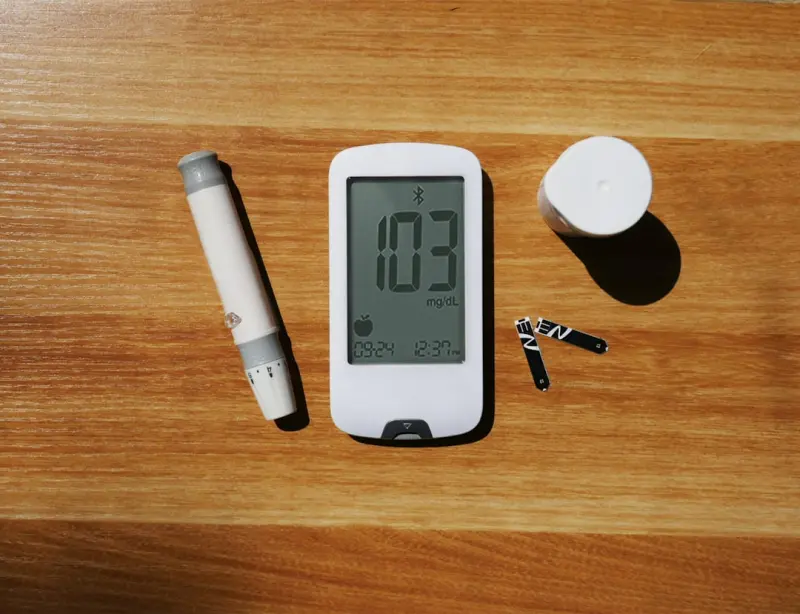
Seeing the Unseen: Why Prediabetes Is Stealing Your Daily Drive
When I first heard the term “prediabetes,” I imagined a distant medical label that belonged on someone else’s chart. I was wrong. It’s a silent, often invisible force that can sap the very momentum you rely on to power through meetings, creative brainstorming, and the endless to‑do lists that define our professional lives. In this post, I’ll walk you through the hidden ways prediabetes shows up in the office, the everyday choices that tip the scale, and a practical roadmap to reclaim the energy you deserve.
The Metabolic Slip‑Stream You Never Notice
Prediabetes isn’t a full‑blown diagnosis of diabetes; it’s the middle ground where your blood sugar is higher than normal but not yet high enough to meet the clinical threshold for type 2 diabetes. Think of it as a car cruising just under the speed limit—still moving, but the engine is working harder than it should. Over time, that extra strain can translate into fatigue, brain fog, and cravings that feel like they’re pulling you away from your most important tasks.
What makes this condition especially tricky is that the symptoms often masquerade as normal stress responses: a mid‑afternoon slump, a sudden need for a sugary snack, or an inexplicable “mental block.” If you’ve ever blamed these moments on a bad night’s sleep or a looming deadline, you’ve likely been dealing with prediabetes without even realizing it.
Common Office Triggers That Nudge You Toward Prediabetes
- Endless Coffee Runs: While caffeine can give you a temporary boost, the accompanying sugar spikes and the habit of pairing coffee with pastries set up a rollercoaster for your blood glucose.
- Convenient “Healthy” Snacks: Granola bars, flavored yogurts, and fruit juices often contain hidden sugars that keep insulin working overtime.
- Prolonged Sitting: A sedentary desk job reduces muscle activity, which is a primary site for glucose uptake. The longer you sit, the less your body can naturally regulate sugar levels.
- Stress‑Induced Hormones: Cortisol, the stress hormone, tells your liver to release more glucose for a “fight‑or‑flight” response—perfect for a deadline but detrimental when it’s constantly turned on.
- Unstructured Meal Times: Skipping lunch or eating erratically forces your body to rely on stored glucose, destabilizing the delicate balance your pancreas works to maintain.
Why Traditional Wellness Programs Miss the Mark
Many workplaces tout “wellness” initiatives: gym memberships, mindfulness apps, and occasional health talks. While valuable, these programs often address the symptoms (stress, inactivity) without tackling the metabolic root cause. The result? Employees feel supported, yet the underlying glucose turbulence continues unchecked.
To truly move the needle, organizations need to shift from generic wellness gestures to targeted metabolic awareness. That means providing education on blood sugar, offering low‑glycemic snack options, and creating micro‑movement opportunities that go beyond the occasional stretch break.
Data‑Backed Signs That Your Body Is Sending a Warning
Before you schedule a lab test, look for these subtle clues in your daily rhythm:
- Persistent Mid‑Afternoon Energy Dips that don’t improve with a short walk.
- Cravings for Sweet or Starchy Foods that feel urgent rather than optional.
- Difficulty Concentrating after meals, especially those high in refined carbs.
- Unexplained Mood Swings—a quick drop in glucose can affect neurotransmitter balance.
- Increased Thirst or Frequent Urination—while more typical of full‑blown diabetes, they can appear early in some individuals.
If you tick more than a couple of these boxes, consider a simple fasting glucose test or a continuous glucose monitor (CGM) for a week. The data can be eye‑opening and, more importantly, actionable.
Building a Personal “Glucose Guard”—Your Daily Playbook
Below is a step‑by‑step framework you can implement right away, whether you’re a solo entrepreneur, a mid‑level manager, or a C‑suite leader. The goal is to create a sustainable system that protects your metabolic health without adding another overwhelming habit to your plate.
1. Audit Your Fuel Sources
Spend one workday tracking everything you eat and drink, noting the time and portion size. Use a simple spreadsheet or a phone app. When you review the log, ask yourself:
- Which items caused a noticeable crash an hour later?
- Are there hidden sugars (e.g., flavored coffee, sauces) that you overlooked?
Armed with this insight, you can replace the biggest culprits with low‑glycemic alternatives.
2. Re‑engineer Your Snack Station
Swap out sugary pastries for options that blend protein, healthy fats, and fiber. Think:
- Greek yogurt with a sprinkle of cinnamon and a few berries.
- Mixed nuts with a dash of sea salt.
- Veggie sticks paired with hummus.
These combos slow glucose absorption, keeping your energy steady.
3. Integrate Micro‑Movement (Beyond the Stretch)
Instead of a single 10‑minute stretch session, break movement into micro‑bursts throughout the day. Every 45 minutes, stand, do a quick 30‑second march in place, or walk to the water cooler. This consistent muscle activation improves insulin sensitivity more effectively than one long session.
4. Leverage the Power of body detox Principles
Detox isn’t about extreme cleanses; it’s about supporting your organs (liver, kidneys, gut) so they can handle glucose processing efficiently. Incorporate:
- Hydration: Aim for at least 2 liters of water daily.
- Antioxidant‑rich foods: Berries, leafy greens, and green tea.
- Limited alcohol: Alcohol interferes with glucose regulation and liver function.
When you view these habits as a “detox” for metabolic health, they become a cohesive strategy rather than scattered tips.
5. Reset Your Evening Routine
Sleep quality directly impacts insulin sensitivity. Create a wind‑down ritual that excludes screens at least an hour before bed, keeps the bedroom cool, and includes a brief relaxation practice (deep breathing, gentle stretching). Consistent 7‑8 hours of restorative sleep can reduce cortisol spikes that otherwise push glucose levels higher.
6. Track, Tweak, and Celebrate
After two weeks of applying the above steps, revisit your food log and note any changes in energy patterns. If possible, compare your fasting glucose numbers before and after. Small improvements—like a 10‑minute boost in focus or a smoother afternoon—are worth celebrating and reinforce the habit loop.
When to Bring in Professional Support
While many can manage prediabetes with lifestyle tweaks, some individuals benefit from additional guidance:
- Registered Dietitian: Tailors meal plans to your cultural preferences and work schedule.
- Endocrinologist: For those with borderline readings or a family history of diabetes.
- Health Coach: Helps maintain accountability and integrates behavior‑change techniques into daily routines.
Don’t wait until a formal diagnosis; early intervention is the most powerful lever you have.
Embedding Metabolic Awareness into Company Culture
Beyond personal action, leaders can champion a culture that normalizes glucose health:
- Offer quarterly “metabolic health” webinars featuring experts.
- Provide a “low‑glycemic snack box” in communal areas.
- Encourage walking meetings or standing desks to combat prolonged sitting.
- Include a brief metabolic check‑in in annual health assessments.
When the conversation shifts from “wellness” to “metabolic resilience,” employees feel empowered rather than judged.
Real‑World Success Story: Turning the Tide
One of my clients, a senior product manager, was constantly battling a 3‑pm energy crash that left her missing critical design reviews. After a simple audit, we discovered she was relying on a sugary granola bar and a second cup of coffee each afternoon. By replacing the bar with a handful of almonds and a piece of dark chocolate (70% cocoa) and introducing a 5‑minute desk walk, her glucose spikes flattened dramatically. Within a month, she reported clearer focus, better mood stability, and a noticeable lift in her team’s output.
Her experience underscores a simple truth: small, intentional changes can rewrite the metabolic script that’s been holding you back.
Looking Ahead: A Future Free From the Prediabetes Trap
Imagine walking into a meeting feeling alert, tackling a complex problem without that nagging “I need a snack” whisper, and ending the day with energy to enjoy your personal life. That vision isn’t a distant dream—it’s a realistic outcome when you prioritize metabolic health alongside professional growth.
Take the first step today: audit one day of eating, add a micro‑movement burst, and hydrate deliberately. The ripple effect will surprise you, and before long, you’ll be the person who turns the invisible saboteur into a silent ally.

Sarah Gray is a proud Canadian who calls Brampton home, where she lives with her husband, Paul. A passionate home cook and gifted storyteller, Sarah loves creating delicious recipes and sharing stories inspired by everyday life, family, and cherished experiences. When she isn't experimenting in the kitchen, she's busy crafting engaging content that reflects her warmth, creativity, and love of connection. Above all, Sarah treasures time spent with her grandchildren, embracing every opportunity to create lasting memories with the people she loves most.
Related Posts

Designing Workspaces to Defeat Prediabetes
Discover how the physical and digital design of your workplace impacts prediabetes risk and get acti... Read More

When Numbers Talk: A Compassionate Roadmap for Living with Prediabetes
Prediabetes can feel like a looming threat, but reframing it as a personal signal opens the door to ... Read More

Gamified Community Challenges: A New Playbook for Prediabetes Prevention
Learn how to use gamified community challenges to transform prediabetes prevention from a solitary t... Read More
Top Posts

Learning as Longevity: Harnessing Neuro‑Hormesis for a Healthier Future
By treating learning as a deliberate, neuro‑hormetic stressor, you can activate BDNF, improve insulin sensitivity, and reduce inflammation—key components of...Read More

Data‑Driven Defense: How Wearables and Journaling Predict Autoimmune Flare‑Ups
Discover how combining wearable data with quick symptom journaling creates a predictive map that alerts you to upcoming autoimmune flare‑ups, turning tech int...Read More

How Auditory Environments Shape Your Baby's Early Brain Wiring
A deep dive into the impact of sound on newborn development, offering evidence‑based strategies for creating soothing, enriching auditory environments that bo...Read More

Ambient Design Hacks for Faster Weight Loss
Explore how subtle changes to office temperature, lighting, and sound can increase your basal metabolic rate, lower stress hormones, and accelerate weight loss ...Read More
0 Comments
Post Comment
You will need to Login or Register to comment on this post!