
When I first cradled my newborn, I felt an instinctive pull to stroke his tiny back, to run my fingertips over the soft curve of his cheek. That simple act of touch wasn’t just a moment of love—it was the beginning of a science‑backed practice that can shape an infant’s health in profound ways. In this post I’m sharing the evidence, the everyday rituals, and the emotional payoff that come with baby massage, a habit that’s as nurturing for parents as it is for babies.
Touch as a Biological Language
From the moment a baby is born, skin‑to‑skin contact sends a cascade of neurochemical signals. The gentle pressure of a parent’s hand stimulates the release of oxytocin—often called the “cuddle hormone”—in both infant and caregiver. Oxytocin does more than foster bonding; it calms the nervous system, reduces cortisol (the stress hormone), and even supports the development of the vagus nerve, which regulates heart rate, digestion, and immune response.
Research in developmental neuroscience shows that infants who receive regular, loving touch demonstrate more stable heart rate patterns, better sleep cycles, and stronger immune markers. In other words, a few minutes of massage can lay a foundation for lifelong resilience.
Beyond the Cuddle: Specific Benefits of Baby Massage
- Improved Sleep – The rhythmic motions mimic the soothing environment of the womb, helping babies transition more easily into deep, restorative sleep.
- Enhanced Digestion – Gentle strokes along the abdomen can relieve gas, reduce colic symptoms, and promote regular bowel movements.
- Strengthened Immune System – Physical touch stimulates lymphatic flow, facilitating the removal of waste and supporting the body’s natural defenses.
- Bonding and Emotional Security – Consistent touch creates a predictable, safe environment, fostering a secure attachment that benefits social and emotional development.
- Motor Development – Massage encourages muscle awareness and coordination, giving babies a head start on reaching, rolling, and crawling.
Getting Started: A Parent’s Step‑by‑Step Guide
Before you begin, choose a calm environment—dim lighting, a soft blanket, and a quiet room work best. Warm your hands to a comfortable temperature; cold skin can startle a baby. Keep the oil or lotion mild (coconut or almond oil are popular choices) and test a small area first to ensure no allergic reaction.
- Set the Scene – Play a low‑volume lullaby or simply enjoy the natural sounds of your home. This creates a multisensory cue that signals relaxation.
- Start with the Legs – Gently stroke each thigh from the hip down to the ankle, using a slow, circular motion. This encourages circulation and wakes the muscles gently.
- Move to the Arms – Use the same upward motion, starting at the wrist and moving toward the shoulder. The rhythmic pattern helps the infant predict the next movement, deepening calm.
- Focus on the Tummy – With clockwise circles, massage the abdomen. This direction follows the natural path of the digestive tract, aiding in gas relief.
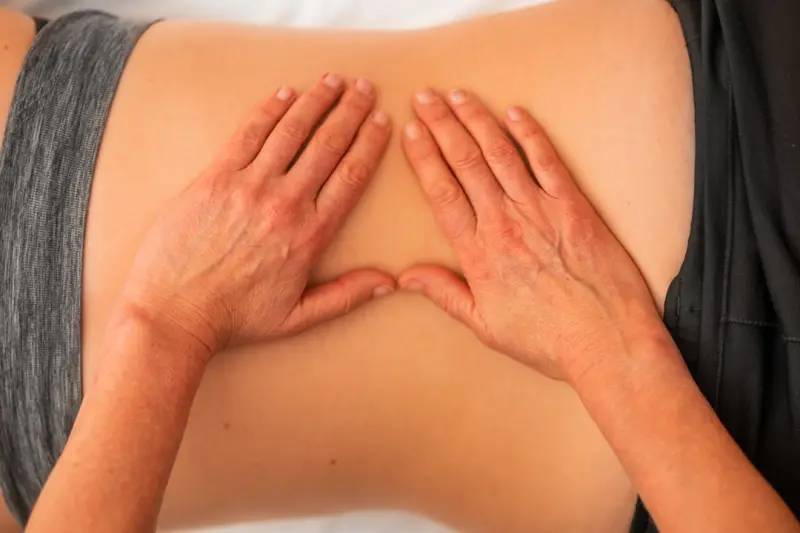
- Finish with the Back – Lay your baby on their stomach, supporting the head, and use long, sweeping strokes from the neck down to the hips.
Each session can be as short as five minutes or stretch to fifteen, depending on your baby’s mood and your schedule. Consistency beats length—daily or every other day is ideal.
Adapting the Routine for Real Life
Many parents feel pressured to “optimize” every moment, but baby massage thrives on flexibility. Here are a few ways to weave it into a busy day:
- Morning Wake‑Up – While your infant is still drowsy, a gentle massage can ease the transition from sleep to alertness without a jarring start.
- Pre‑Nap Ritual – A short session before naptime signals the brain that it’s time to wind down, often resulting in quicker, deeper sleep.
- Bath Time Companion – Incorporate massage after a warm bath; the skin is already relaxed, and the warmth helps the oils glide smoothly.
- Nighttime Calm‑Down – A final gentle rub of the feet and hands can serve as a soothing cue for bedtime.
Integrating Nutrition: The Role of vibrant food choices in Supporting Touch Benefits
Touch is only one piece of the health puzzle. Pairing massage with a diet rich in diverse, nutrient‑dense foods amplifies its impact. Babies who receive breast milk or fortified formula, alongside the introduction of colorful purees, benefit from antioxidants and essential fatty acids that support brain and skin health.
When you’re planning meals, think of the plate as a palette. A spoonful of sweet potato (rich in beta‑carotene), a dab of avocado (packed with omega‑3s), and a swirl of blueberry puree (full of flavonoids) not only provide essential vitamins but also reinforce the calming, restorative state fostered by massage. The combination creates a feedback loop: a well‑nourished body responds better to touch, and a calm body digests nutrients more efficiently.
When to Seek Guidance
While baby massage is generally safe, there are moments when professional input is valuable:
- If your baby has a skin condition (eczema, rash) that could be aggravated by oils.
- When the infant was born prematurely or has a medical condition requiring special handling.
- If you notice persistent distress, crying, or signs of discomfort that don’t improve with massage.
In these cases, consult a pediatrician or a certified infant massage therapist. Many hospitals now offer postpartum classes that include hands‑on training, making it easier to learn the correct techniques.
Linking Touch to Parental Well‑Being
One of the most underrated benefits of baby massage is its impact on the caregiver’s mental health. The act of nurturing through touch triggers a release of serotonin and dopamine, lifting mood and reducing anxiety. It also provides a moment of focused, mindful interaction—a simple calming habit that can break the cycle of parental stress.
Think of it as a two‑way street: as you soothe your baby, you’re simultaneously soothing yourself. This shared tranquility can improve communication between partners, reduce feelings of isolation, and build a stronger family unit.
Common Myths Debunked
Myth 1: “Massage is only for when the baby is fussy.” In reality, regular massage can prevent fussiness by preemptively stabilizing the nervous system.
Myth 2: “You need expensive oils or equipment.” A small amount of any gentle, hypoallergenic oil works fine; the technique is far more important than the product.
Myth 3: “It’s a waste of time if I’m already feeding and changing.” Touch is a distinct stimulus that complements feeding and diapering, addressing a different developmental need—emotional regulation and somatic awareness.
Tracking Progress: Simple Metrics for Parents
To see the benefits over time, consider noting these observations in a baby journal:
- Length of sleep periods (night and naps) before and after massage sessions.
- Frequency of colic or gas episodes.
- Mood changes—does your baby smile more often after a session?
- Physical milestones (rolling, reaching) and any perceived ease in movement.
Over weeks, patterns emerge, providing tangible proof that your effort is paying off.
Conclusion: A Small Investment for Big Returns
In the hustle of modern parenting, it’s easy to overlook the power of something as simple as a gentle hand. Baby massage is a low‑cost, high‑impact practice that supports sleep, digestion, immunity, motor development, and the emotional bond between you and your child. By integrating it with thoughtful nutrition and a few mindful moments each day, you’re giving your infant a robust start—one that can echo throughout their entire life.
Take a breath, place your hands on your little one, and feel the connection that science and love both celebrate. Your infant’s health journey is already underway; with the power of touch, you can guide it toward a brighter, calmer horizon.

Becky Putman is an Ottawa-based freelance writer and marketing professional with a passion for storytelling, animals, and community involvement. She enjoys creating engaging content that informs, inspires, and connects with readers.
Related Posts
Gentle Tummy Time: A Simple Secret to Better Baby Digestion
Learn why a few minutes of tummy time each day can ease digestion, calm colic, and support your baby... Read More

How Auditory Environments Shape Your Baby's Early Brain Wiring
A deep dive into the impact of sound on newborn development, offering evidence‑based strategies fo... Read More
Building an Immune‑Strong Infant: Practical Steps for the First Year
A comprehensive guide for new parents on nurturing a robust immune system during the first year, cov... Read More
Top Posts

Turn Up the Volume on Health: How Soundscapes Can Calm Your Blood Pressure
Explore the science behind soothing soundscapes, practical audio choices for each part of the day, and how wearable tech can pair with music to help lower blood...Read More

Traveling with Prediabetes: Turning Trips into Metabolic Wins
Learn practical strategies for balancing blood sugar while traveling, from smart meal timing to on‑the‑go exercise and mindful indulgence, turning every tri...Read More

Living with Cancer: A Holistic Journey of Resilience and Hope
A heartfelt guide from a survivor’s perspective, blending nutrition, gentle exercise, mindfulness, and community to empower those navigating cancer’s challe...Read More

Why Listening to Your Baby’s Cues Can Transform Their Health
Learn how attuned caregiving—reading your baby’s cues, gentle massage, and mindful hygiene—can strengthen immunity, improve digestion, and deepen the pare...Read More
0 Comments
Post Comment
You will need to Login or Register to comment on this post!