
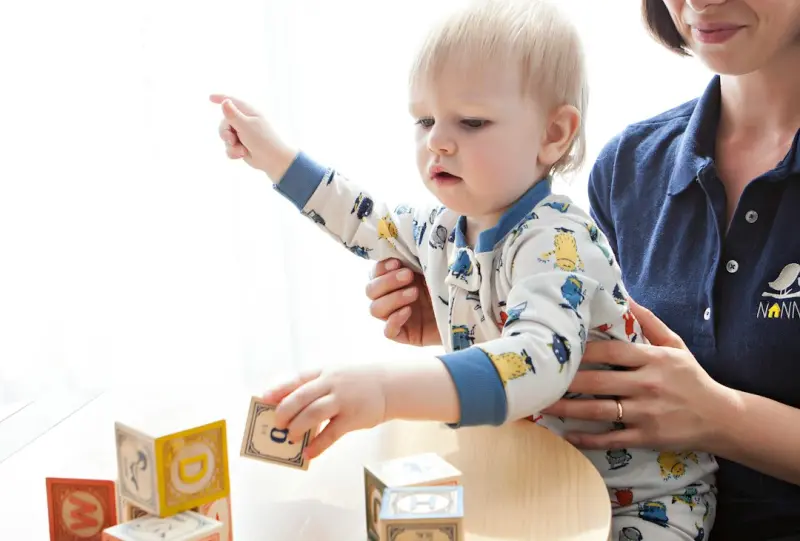
Why Your Baby’s First Year Is the Ultimate Immune‑Boosting Window
When I held my newborn for the first time, the sheer intensity of that tiny, trusting gaze made me realize something profound: the early months aren’t just about feeding and diaper changes—they’re a golden window for shaping a lifelong shield against illness. As a dad who’s spent countless late‑night research sessions scrolling through pediatric journals, I’ve learned that the first twelve months are packed with opportunities to nurture a robust immune system, and many parents simply overlook them.
The Micro‑World Inside: Infant Gut Microbiome 101
The gut microbiome is a bustling metropolis of bacteria, fungi, and viruses that begins colonizing your baby the moment they pass through the birth canal. While the science is still evolving, it’s clear that a diverse microbial community lays the groundwork for immune education. In the first weeks, the gut is like a blank canvas; the colors you splash on it will dictate how the immune system learns to differentiate friend from foe.
Key actions to diversify that canvas:
- Breast milk isn’t just nutrition. It delivers human milk oligosaccharides (HMOs) that act as pre‑biotics, feeding beneficial bacteria like Bifidobacterium.
- Skin‑to‑skin contact. The gentle warmth of a parent’s skin transfers microbes that help seed the infant’s microbiome. This is more than a bonding ritual; it’s a microbial handshake.
- Environmental exposure. Allowing your baby to crawl on clean grass, touch different textures, and experience outdoor air introduces a broader spectrum of microbes, training the immune system to be tolerant rather than hyper‑reactive.
Beyond the Bottle: Introducing Probiotic‑Friendly Foods
While breast milk is the gold standard, many families transition to formula or start solids early. When you reach the stage of introducing new foods, consider probiotic‑rich options like fermented vegetables (finely mashed carrots with a hint of kefir) or plain yogurt (full‑fat, unsweetened). These foods provide live cultures that can further diversify the gut flora.
Don’t be fooled: you don’t need a fancy supplement regimen. A simple spoonful of homemade probiotic puree three times a week can make a noticeable difference in stool patterns and overall comfort.
Skin Health: The First Line of Defense
Newborn skin is delicate, but it’s also a critical barrier against pathogens. Here are three strategies that have worked wonders for my family:
- Choose fragrance‑free, hypoallergenic cleansers. Synthetic fragrances can irritate the skin and disrupt its natural pH, creating tiny fissures where microbes can sneak in.
- Moisturize with barrier‑supporting creams. Look for products containing ceramides and natural oils like jojoba. They reinforce the skin’s lipid matrix, keeping it supple and less permeable to invaders.
- Limit bath time. Over‑bathing strips away the protective acid mantle. A quick sponge bath every other day, followed by a brief rinse on the third, is sufficient for most infants.
Environmental Diversity: The Power of “Micro‑Adventure” Play
Think of a walk in the park as a “micro‑adventure” for your infant. The soil, the leaves, the breeze—all contain unique microbial signatures. When you let your baby explore these environments (always under supervision), you’re essentially offering a natural vaccination schedule.
Practical tips:
- Lay out a clean blanket on the grass and let your baby spend 10‑15 minutes crawling or simply lying on it.
- Introduce safe, textured toys made from natural wood, untreated cotton, or silicone. These materials harbor different microbial communities compared to plastic.
- Rotate your indoor textiles (blankets, rugs) weekly. Fresh fabrics bring in new microbial populations while preventing over‑colonization of any single strain.
Sleep: The Unsung Hero of Immune Development
While many parents focus on feeding schedules, they often underestimate how critical sleep is for immunity. During deep sleep, the body releases cytokines—proteins that direct immune responses. In infants, REM sleep dominates, and it’s during this stage that brain development and immune training accelerate.
To optimize sleep:
- Maintain a consistent bedtime routine that signals safety without overstimulation—think a warm bath (brief), a gentle lullaby, and a dark, cool room.
- Avoid excessive lighting in the evening. Blue light can disrupt melatonin production, which in turn interferes with the nighttime cytokine surge.
- Consider a white‑noise machine that mimics womb sounds. Consistent auditory cues help infants transition quickly into restorative sleep cycles.
Parental Stress: A Hidden Immune Modulator
It might sound far‑fetched, but the stress levels of caregivers directly affect a baby’s immune trajectory. Cortisol, the primary stress hormone, can be transferred through breast milk and even through close physical contact. When parents are chronically stressed, their babies may experience heightened inflammatory responses.
My go‑to stress‑busting practices:
- Micro‑meditation breaks. A two‑minute focused breathing exercise while holding the baby can reset both your nervous systems.
- Physical activity. A short stroller walk or a gentle yoga stretch (baby in a carrier) releases endorphins that benefit both parent and child.
- Community support. Engaging with a parent group—online or in‑person—provides emotional validation and practical advice, reducing feelings of isolation.
Vaccination Timing: Aligning with Microbial Milestones
Vaccines are a cornerstone of infant health, and timing them correctly can maximize efficacy. Recent research suggests that administering certain vaccines after the infant’s gut microbiome has achieved a baseline diversity (usually around 6‑8 weeks) can enhance antibody production. Discuss with your pediatrician about spacing vaccines in a way that respects your baby’s microbial development.
Integrating Knowledge: A Real‑World Routine
Putting all these pieces together might feel overwhelming, but here’s a sample day that blends the principles above while staying practical for busy families:
- Morning: Breastfeed or bottle (with probiotic‑friendly formula) while gently massaging the baby’s abdomen—this stimulates gut motility.
- Mid‑morning: Outdoor “micro‑adventure” on a clean blanket, exposing the baby to fresh air and natural microbes.
- Lunch: If on solids, offer a small serving of unsweetened yogurt mixed with pureed fruit.
- Afternoon: A brief nap in a dark, cool room with a white‑noise machine.
- Evening: Warm sponge bath, followed by a short lullaby and a calming skin‑to‑skin cuddle session.
- Bedtime: Feed, then dim the lights and keep the room at a comfortable temperature to promote deep sleep.
Learning From the Community: Real Stories
Last month, I joined a parent forum where a mom shared how incorporating a weekly “soil play” session dramatically reduced her baby’s colic episodes. Another dad mentioned that switching to a ceramide‑rich moisturizer helped his infant’s eczema resolve faster, which he attributes to a stronger skin barrier. These anecdotes echo the science and reinforce that small, consistent actions can lead to big health dividends.
Connecting the Dots: Related Resources
If you’re looking for additional ways to create calm environments for newborns, check out this guide on crafting everyday calm for newborns. It offers practical tips for soothing spaces that complement the immune‑boosting strategies discussed here.
For a deeper dive into how light exposure shapes a baby’s internal clock—and why that matters for immune timing—read shaping your baby’s natural clock for lifelong wellness. Understanding circadian rhythms can amplify the benefits of the sleep‑focused recommendations above.
Final Thoughts: The Gift of a Resilient Start
Investing in your infant’s immune health isn’t about a single miracle product; it’s about weaving a tapestry of small, evidence‑backed habits that reinforce each other. From microbiome nurturing to skin protection, from mindful sleep to parental stress management, each thread contributes to a stronger, more adaptable immune system. As a parent, you have a remarkable toolbox at your disposal—use it wisely, and you’ll give your child a lifelong advantage in the battle against illness.

Tom Ferguson is a Canadian freelance writer with a passion for storytelling, current events, and thoughtful commentary. Drawing on years of writing experience, he shares engaging insights on a wide range of topics, bringing a uniquely Canadian perspective to his work.
Related Posts

Nurturing the Newborn Microbiome: Simple Strategies for Lifelong Health
Early gut health shapes a child's immune, metabolic, and neurological development. Learn actionable ... Read More

Unlocking Infant Resilience: Simple Practices for Healthier, Happier Babies
Learn how skin‑to‑skin care, eye contact, rhythmic breathing, probiotic foods, and predictable r... Read More
Holistic Infant Health: A Mom’s Blueprint for Thriving Little Ones
A mom’s holistic guide to infant health, blending gut microbiome insights, gentle sleep routines, ... Read More
Top Posts
The Gut‑Brain‑Sugar Connection: Rewire Your Microbiome for Stable Glucose
Your gut microbes are silent regulators of glucose. Learn how to nurture them with food, movement, and lifestyle tweaks, turning the invisible gut‑brain‑sug...Read More

Beyond the Nap: Turning Narcolepsy Into a Workplace Asset
Narcolepsy isn’t just a medical condition—it offers unique strengths. This post reveals how businesses can transform narcoleptic traits into productivity ad...Read More

Rewire Your Gut: A Fresh Path to Reversing Prediabetes
Learn how nurturing your gut microbiome, aligning daily rhythms, and using simple tech tools can transform prediabetes into a manageable, reversible state....Read More
Unlocking the Hidden Levers of Prediabetes: Data, Environment, and Tiny Wins
A data‑centric guide shows how aligning carb timing, adding micro‑breaks, optimizing light and air, and using personal dashboards can transform prediabetes ...Read More
0 Comments
Post Comment
You will need to Login or Register to comment on this post!