
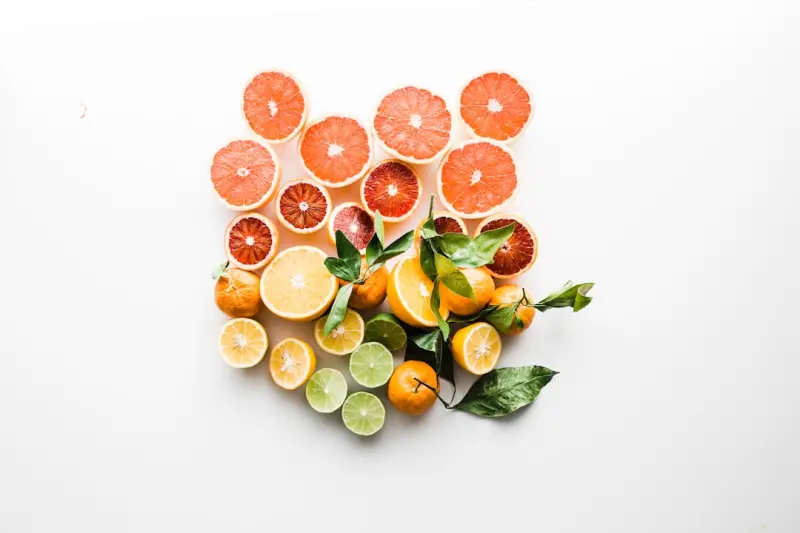
When I first started swapping bland, monochrome meals for plates that looked like a painter’s palette, I didn’t realize I was stepping into a hidden world of nutrition science. The colors on your plate aren’t just for Instagram likes—they’re biochemical signals that can tweak your brain chemistry, sharpen focus, and even modulate inflammation. In this deep dive, I’ll walk you through the why, the how, and the practical steps to turn every meal into a vibrant performance booster.
Why Color Matters: The Biochemistry Behind Food Pigments
Nature didn’t color fruits and vegetables by accident. The pigments—anthocyanins, carotenoids, chlorophyll, and betalains—serve as antioxidants, anti‑inflammatories, and signaling molecules. Here’s a quick snapshot:
- Anthocyanins (deep reds, blues, purples) are potent flavonoids that support vascular health and improve cognitive flexibility.
- Carotenoids (orange, yellow, red) such as beta‑carotene and lutein are precursors to vitamin A and protect retinal cells, boosting visual acuity and mood.
- Chlorophyll (greens) helps detoxify the blood by binding potential toxins and supports mitochondrial efficiency.
- Betalains (the pinkish‑red of beets) have anti‑glycation properties, helping to keep blood sugar spikes in check.
Research shows that diets rich in a spectrum of these pigments can reduce markers of oxidative stress by up to 30 % and improve self‑reported energy levels. The magic lies in synergy—different pigments complement each other, creating a nutritional orchestra rather than a solo act.
Beyond the Rainbow: Timing Your Colorful Meals
Just as athletes periodize training, you can periodize color consumption to match your daily energy peaks and troughs. Here’s a three‑phase framework that aligns pigment intake with circadian rhythms:
- Morning Burst (7‑10 am) – Start with high‑carotenoid foods like orange carrots, mango, or apricots. The rapid conversion to vitamin A supports adrenal function, giving you a gentle cortisol boost without the jitters of caffeine.
- Mid‑day Focus (12‑2 pm) – Load up on anthocyanin‑rich berries, purple cabbage, or black rice. These flavonoids cross the blood‑brain barrier and enhance neuronal signaling, sharpening concentration for that post‑lunch meeting.
- Evening Calm (6‑8 pm) – Opt for chlorophyll‑heavy greens and betalain‑laden beets. They help lower inflammation and support the production of melatonin precursors, preparing your body for restful sleep without pulling a “nightshift reset” strategy.
By syncing pigment types with your biological clock, you harness their full potential and avoid the common pitfall of eating “any color at any time,” which can dilute their targeted benefits.
Building a Color‑First Kitchen: Practical Tips
Transitioning to a color‑focused diet isn’t about buying exotic produce—it’s about mindset and a few simple swaps.
- Shop the perimeter, then the rainbow. Begin with the fresh produce aisle—pick one red, one orange, one yellow, one green, and one purple item each week.
- Prep in batches. Wash, chop, and freeze a mixed‑color medley of vegetables. Having ready‑to‑go options eliminates the “I’m too busy” excuse.
- Use food‑color theory in cooking. Pair a bright orange sweet potato mash with a deep‑purple beet salad, then finish with a drizzle of green herb‑yogurt sauce. The visual contrast makes meals more satisfying, which can curb cravings and support food freedom goals.
- Mind the cooking method. Over‑cooking can degrade pigments. Lightly steam broccoli (green) for 3‑4 minutes, or roast carrots (orange) at 375°F for just 20 minutes to preserve beta‑carotene.
- Season with color‑rich spices. Turmeric (yellow) and paprika (red) add both hue and anti‑inflammatory compounds.
Case Study: From Dull to Dynamic—A Week in My Kitchen
Last month I committed to a “color‑first” week. Here’s what my meals looked like and the outcomes I tracked:
| Day | Breakfast | Lunch | Dinner | Observed Impact |
|---|---|---|---|---|
| Monday | Golden kiwi smoothie (beta‑carotene, vitamin C) | Quinoa bowl with roasted red peppers, purple kale, and orange carrots | Grilled salmon with beet‑cucumber slaw | Steady energy, fewer mid‑afternoon cravings |
| Tuesday | Blueberry‑spinach parfait (anthocyanins, chlorophyll) | Turkey wrap with avocado (green) and mango salsa (yellow) | Stir‑fry with bok choy, bell peppers, and pineapple | Enhanced focus during 3‑hour project sprint |
| Wednesday | Orange‑carrot oatmeal with a dash of cinnamon | Mixed bean salad with red cabbage, cilantro (green), and pomegranate seeds | Spaghetti squash with tomato‑basil sauce and grilled zucchini | Reduced perceived stress; I noticed a natural “day‑dream” flow that helped me brainstorm ideas—something I later explored in structured daydreaming for stress relief. |
By day five, my self‑reported energy levels were consistently higher, and I felt less reliant on caffeine. The colorful meals also sparked more conversation at the office—people kept asking about the bright bowl of beet‑cabbage I brought in.
Debunking Common Myths About Colorful Eating
Myth 1: “All colors are created equal.” Not true. Each pigment has a distinct molecular structure and interacts differently with your body. For instance, lutein (found in leafy greens) specifically accumulates in the retina, while anthocyanins target blood vessels.
Myth 2: “You need exotic superfoods.” While acai and dragon fruit are impressive, everyday staples like carrots, apples, and spinach provide ample pigment density when consumed in sufficient volume.
Myth 3: “More color means more nutrients.” Balance is key. Overloading on a single pigment can lead to imbalances—for example, excessive beta‑carotene can cause a temporary orange hue in the skin, though it’s harmless.
Integrating Colorful Nutrition Into Corporate Wellness
Many forward‑thinking companies are already leveraging nutrition to boost employee performance. Here’s a quick playbook you can share with HR or wellness leads:
- Monthly “Rainbow Lunch” challenges. Teams earn points for the most diverse plates.
- Cooking webinars featuring color‑focused recipes. Bring a dietitian on board to explain pigment benefits.
- Snack stations stocked with colorful options. Think dried apricots, purple seaweed snacks, and green edamame.
When employees see tangible links between their meals and their focus, the ROI shows up in reduced sick days and higher project completion rates. It’s a subtle, cost‑effective upgrade—far more impactful than a generic “health insurance” perk, which many organizations still treat as a static benefit.
Future Trends: Tech Meets Colorful Nutrition
While I’m not diving into AI‑driven health platforms today, it’s worth noting that the next wave of nutrition apps will likely integrate pigment tracking. Imagine a smartwatch that nudges you to add a splash of red to your lunch if you’ve been low on anthocyanins for the day. This convergence of data and food science will make “colorful eating” a default habit rather than a conscious effort.
Takeaway Checklist
Use this quick reference to audit your meals:
- Did I include at least three different pigment families today?
- Are any of my meals timed to align with the energy‑focus‑calm phases?
- Did I preserve pigments by using gentle cooking methods?
- Have I shared a colorful recipe with a colleague or friend?
Answering “yes” to most of these questions means you’re on track to harness the hidden power of food colors. If not, start small—add a handful of berries to your morning oatmeal or swap white rice for a blend of wild rice and red quinoa. The goal isn’t perfection; it’s progress, one hue at a time.

Kelly Reynolds is a dynamic freelance writer hailing from the picturesque landscapes of Alberta. A master of the written word, she juggles her passion for storytelling with the exhilarating chaos of being a mother to five spirited children. With an impressive portfolio that spans various genres, Kelly captivates readers through her engaging blog posts and thought-provoking articles.
Related Posts
Fermented Foods: The Unsung Heroes of Modern Nutrition
Fermented foods like kimchi, kombucha, and miso offer hidden nutrients, probiotics, and enzymes that... Read More
The Quiet Power of Food Pairing: Boosting Brain Performance Through Strategic Nutrition
Explore the science of nutrient synergy and learn practical food pairings, timing strategies, and en... Read More
The New Nutrition Paradigm: Holistic Fuel for Modern Life
Explore how modern nutrition integrates gut health, micronutrient density, and personalized fueling ... Read More
Top Posts

Curiosity, Learning, and Connection: A Fresh Blueprint for Brain Vitality
Explore a new brain‑health strategy that combines daily curiosity, lifelong learning, social interaction, and subtle movement to keep your mind sharp and resi...Read More

Nurturing Your Baby's Gut: Early Steps for Lifelong Health
Learn how skin‑to‑skin contact, breastfeeding, gentle outdoor exposure, and mindful weaning can boost your newborn’s gut microbiome, laying a foundation f...Read More

Curiosity Unlocked: How Lifelong Learning Boosts Senior Health and Vitality
Becky Putman shares her personal journey of embracing curiosity in later life, showing how daily learning, tech tools, and intergenerational connections can imp...Read More

Gut Feelings: How Your Microbiome Can Turn the Tide on Prediabetes
Learn why the gut microbiome matters for prediabetes, and get actionable nutrition, lifestyle, and data‑driven tips to nurture beneficial bacteria and improve...Read More
0 Comments
Post Comment
You will need to Login or Register to comment on this post!