
Why Digital Literacy Matters for Seniors
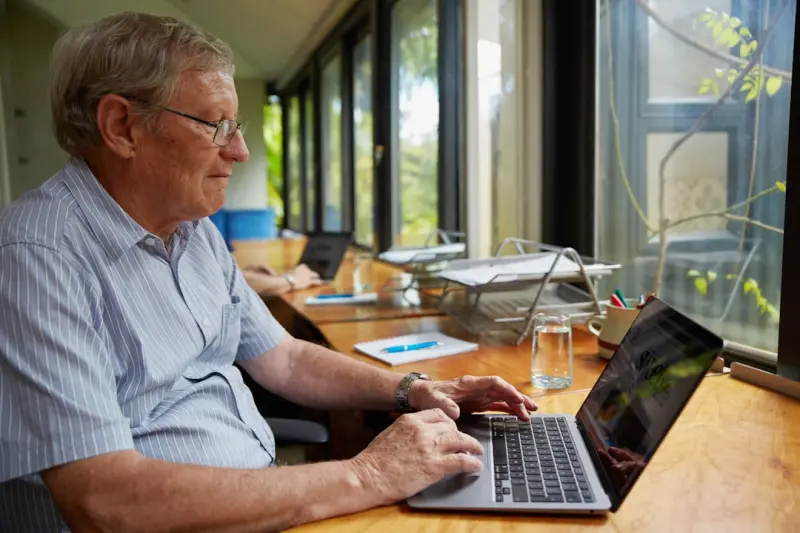
When I first picked up a tablet at the age of seventy‑two, I felt like I was stepping onto a bustling highway of information without a map, yet the moment I learned to navigate the basics—swiping, tapping, and searching—I discovered a surprisingly gentle gateway to mental sharpness, social connection, and a renewed sense of independence that many of my peers overlook. The brain, much like a well‑exercised muscle, thrives on novel challenges; learning to compose an email, join a video‑call, or read the news online engages neural pathways that combat the sluggishness often associated with aging, and research consistently shows that seniors who embrace technology demonstrate better memory retention, quicker reaction times, and reduced risk of cognitive decline. Moreover, digital tools act as bridges to the outside world, allowing us to partake in virtual book clubs, tele‑health appointments, and family gatherings across time zones, which in turn reduces loneliness, lowers blood pressure, and provides a daily dose of emotional nourishment that traditional senior programs sometimes miss.
Gentle Steps to Build Confidence Online
My personal roadmap began with a single, intentional habit: dedicating ten minutes each morning to explore a new app or website, a routine that transformed the overwhelming avalanche of options into a series of manageable, curiosity‑driven experiments, and I quickly learned that setting realistic expectations—like mastering the camera on a smartphone before attempting video editing—prevents frustration and builds momentum. I also discovered the power of community learning; joining a local senior tech circle, where we exchanged tips over coffee, created a supportive environment where mistakes were celebrated as stepping stones, and the shared laughter over mis‑typed messages turned what could have been an isolating experience into a collective adventure. Finally, I made use of the abundant free resources—public library tutorials, online video guides, and even the help sections embedded within apps—each offering clear, step‑by‑step instructions that respect our pace, ensuring that the learning curve feels like a gentle slope rather than a steep cliff.
Health Benefits That Extend Beyond the Screen
One of the most rewarding outcomes of my digital journey has been the seamless integration of tele‑medicine into my wellness routine, allowing me to consult physicians from the comfort of my living room, track medication schedules with reminder apps, and monitor blood pressure trends via Bluetooth‑enabled cuffs, which collectively reduce the physical strain of frequent clinic trips and empower me to take proactive control of my health data. In addition, online exercise platforms tailored for seniors—offering low‑impact yoga, chair‑based strength training, and guided walks—provide visual cues and real‑time feedback that keep my joints supple, my balance steady, and my heart rate within a healthy zone, all while fostering a sense of accountability through virtual class communities. Beyond the physical, engaging with brain‑training games and puzzles designed for older adults stimulates memory, problem‑solving, and attention, and when paired with regular social interaction on forums or video chats, these activities create a holistic mental‑fitness regimen that rivals traditional gym memberships.
Staying Safe in a Digital World
As I ventured deeper into the online realm, I quickly realized that safety must travel hand‑in‑hand with curiosity; I started by installing reputable antivirus software, setting strong, unique passwords using a password‑manager, and enabling two‑factor authentication on critical accounts, steps that dramatically lowered the risk of phishing scams that target seniors with seemingly innocuous emails about tax refunds or lottery winnings. I also made a habit of verifying the authenticity of websites before entering personal information, checking for the padlock icon in the address bar, and cross‑referencing phone numbers or email addresses with official sources, a practice that has saved me from costly mistakes and reinforced my confidence when shopping or banking online. Furthermore, I educated myself on the privacy settings of social media platforms, limiting the audience for personal posts, and regularly reviewing app permissions, ensuring that my digital footprint remains as private as I desire while still allowing me to enjoy the benefits of staying connected.
Connecting Across Generations Through Technology
One unexpected treasure of my tech adoption has been the revival of intergenerational bonds; by mastering video‑calling apps, I now host weekly virtual brunches with my grandchildren, where we share recipes, play online board games, and even collaborate on digital scrapbooks that capture family milestones, creating a living archive that future generations can revisit. These digital gatherings have also opened doors to learning from younger relatives—my niece taught me how to use voice assistants to set medication reminders, while my grandson showed me how to explore virtual museum tours, turning our interactions into reciprocal lessons where age becomes a secondary factor and curiosity takes the lead. The ripple effect extends beyond family; participating in online senior forums and interest groups introduces me to peers from distant towns, fostering a sense of global community that enriches my perspective and combats the isolation that many retirees experience.
Practical Tools That Have Transformed My Daily Life
Among the myriad apps I have embraced, a few stand out as daily essentials: a medication tracker that sends gentle alerts to my phone, a grocery‑delivery service that lets me order fresh produce with a few taps, and a weather‑alert widget that notifies me of extreme conditions, helping me plan safe outings; each of these tools removes a layer of logistical stress, freeing mental energy for more meaningful pursuits. I also rely on a simple note‑taking app to jot down ideas for garden projects, favorite recipes, or gratitude lists, turning fleeting thoughts into organized plans that I can revisit and act upon at my own pace. To keep my mind agile, I engage with a brain‑training platform that offers short, adaptive games targeting memory, attention, and processing speed, and I love the satisfaction of watching my scores improve over weeks, a tangible reminder that growth knows no age limit.
Integrating Technology with Traditional Wellness Practices
Technology, when paired thoughtfully with time‑tested wellness habits, creates a synergistic effect; for instance, I set my smart speaker to play guided meditation sessions each morning, which dovetails with my habit of sipping herbal tea and practicing deep‑breathing, amplifying the calming impact and establishing a consistent ritual that steadies my heart rate and reduces cortisol levels. Similarly, I use a wearable fitness tracker that monitors my steps, heart rate, and sleep patterns, providing data that informs adjustments to my walking routine, ensuring I stay within the optimal zone for cardiovascular health without overexertion, while still honoring my love for spontaneous garden strolls. By integrating these digital insights with my established practice of journaling—where I reflect on mood, energy, and gratitude—I gain a comprehensive picture of my well‑being that guides subtle, evidence‑based tweaks to diet, activity, and rest.
Looking Ahead: A Vision for Tech‑Empowered Senior Living
As I gaze toward the horizon of my senior years, I envision a world where technology is not a barrier but a bridge that seamlessly supports physical health, mental sharpness, and emotional fulfillment, enabling us to age with dignity, autonomy, and joy; my hope is that community centers, healthcare providers, and families will continue to invest in accessible training programs, affordable devices, and user‑friendly design that honor the unique needs of older adults. In the meantime, I encourage every senior reader to take that first brave step—whether it’s sending a text to a loved one, exploring a health‑tracking app, or joining an online hobby group—because each click, each swipe, and each new skill adds a vibrant thread to the tapestry of a richer, more connected life. By embracing digital literacy, we not only safeguard our cognitive health but also open doors to experiences that keep our spirits youthful, our minds engaged, and our hearts full.

Deb Roberts is a freelancer who writes on various subjects, bringing versatility and depth to her work. Alongside her broad writing expertise, she has a special passion for horses.
Related Posts

Storytelling for Seniors: Turning Memories into Medicine
A guide for older adults on using personal narratives to sharpen memory, reduce stress, and foster c... Read More
Revitalizing Senior Minds: Hobbies, Community, and Nutrition for Cognitive Health
Explore fresh strategies for senior cognitive health—creative hobbies, community “prescriptions,... Read More

The Community Cure: Intergenerational Learning for Senior Wellness
A deep dive into how intergenerational mentorship programs empower seniors with cognitive, physical,... Read More
Top Posts

Smart Vaping: Harnessing Low‑Dose Nicotine for Cognitive Edge
Smart vaping treats nicotine as a precise, low‑dose cognitive aid, pairing it with breathwork, movement, and data‑driven habits to enhance focus while safeg...Read More

Holistic Nutrition for Modern Life: Brandy Miller’s Fresh Perspective
Brandy Miller shares a fresh, holistic take on nutrition—linking gut health, stress, and seasonal foods—to help you thrive in today’s fast‑paced world....Read More
The Importance of Holistic Health Insurance: A Comprehensive Approach to Wellbeing
Holistic health insurance considers the whole person - body, mind, and spirit - when providing coverage for medical services. Learn how to prioritize nutrition,...Read More

Reprogramming Your Liver Clock: Meal Timing for Optimal Regeneration
Learn why the liver thrives on a daily rhythm, how meal timing and smart food choices boost its performance, and get a 30‑day reset plan to align your eating ...Read More
0 Comments
Post Comment
You will need to Login or Register to comment on this post!