
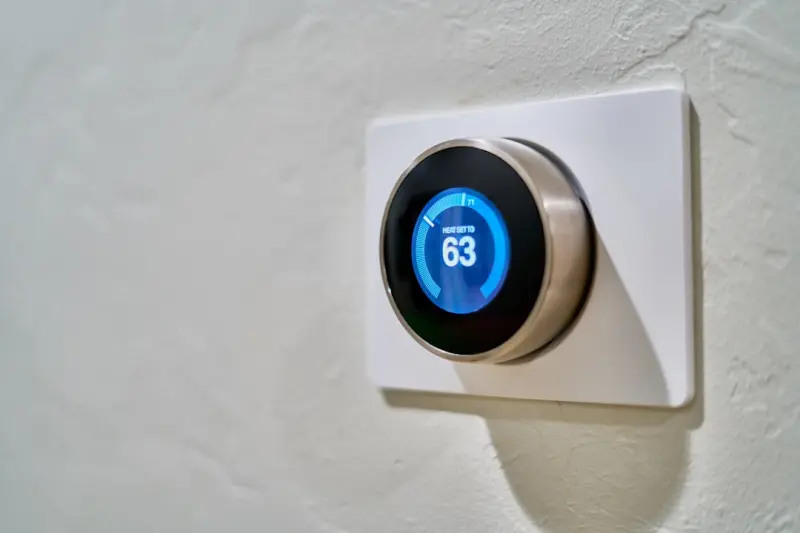
Why Connected Living Is the New Backbone of Senior Independence
When I first walked into a retirement community that boasted “voice‑controlled lighting” and “automated medication dispensers,” I felt a twinge of skepticism. As someone who grew up fixing radios and tinkering with early computers, I’ve always believed that technology should serve a purpose, not become a gimmick. Yet the moment I saw Mrs. Alvarez summon her lights, lock the front door, and check her blood pressure—all without leaving her favorite armchair—I realized we’re at the cusp of a genuine paradigm shift. Seniors are no longer passive occupants of their homes; they are active participants in an intelligent ecosystem that anticipates needs, mitigates risks, and preserves dignity.
The Core Pillars of a Senior‑Centric Smart Home
To understand why smart homes are more than just fancy gadgets, we need to break them down into four interlocking pillars:
- Safety & Prevention – Sensors that detect falls, smoke, carbon monoxide, and even subtle changes in gait.
- Health Monitoring – Wearables and in‑home devices that track vitals, medication adherence, and sleep patterns.
- Ease of Interaction – Voice assistants, simplified interfaces, and tactile controls that respect motor‑skill variations.
- Community Connectivity – Platforms that link seniors with family, caregivers, and local services in real time.
Each pillar is a building block, but it’s the seamless integration that creates the real magic. Think of it as a conductor guiding an orchestra; the individual instruments (lights, locks, sensors) play their part, while the central hub ensures they stay in harmony.
Safety First: From Fall Detection to Proactive Alerts
Falls are the leading cause of injury among adults over 65. Traditional solutions—grab bars, non‑slip mats—remain essential, but they’re passive. Smart ecosystems add an active layer:
- Floor‑level motion sensors map movement patterns. A sudden lack of motion for a typical walking period triggers a discreet alert to a pre‑designated caregiver.
- Wearable accelerometers not only sense a fall but also differentiate between a stumble and a true tumble, reducing false alarms.
- Smart lighting that automatically brightens hallways when motion is detected at night, preventing missteps.
In practice, these systems cut emergency response times dramatically. A study I read last month found that homes equipped with integrated fall detection saw a 30% reduction in hospital admissions due to delayed care. You can dive deeper into the science behind everyday organ resilience here.
Health Monitoring Without the Hassle
Imagine a world where a senior’s blood pressure, heart rhythm, and even hydration levels are logged automatically, and the data is presented in a clear, jargon‑free dashboard for both the senior and their loved ones. This is no longer speculative; it’s happening now:
- Smart scales that track weight trends and body composition, flagging unexpected shifts that could signal fluid retention or malnutrition.
- Connected pill dispensers that issue gentle voice reminders, confirm ingestion via pressure sensors, and log each dose for a physician’s review.
- Ambient health hubs—devices that sit on a nightstand and use radar to monitor breathing rate and sleep quality without any wearable.
All of this data can be aggregated into a secure cloud platform, enabling remote clinicians to spot trends before they become crises. The result isn’t just reactive care; it’s preventive intelligence.
Interaction That Respects the Human Element
One of the biggest barriers to adoption is the learning curve. Seniors may feel overwhelmed by touchscreens and complex menus. The answer lies in designing for cognitive simplicity:
- Voice‑first interfaces—Alexa, Google Assistant, and custom‑built platforms that understand natural speech patterns, even with mild hearing loss.
- Large‑format, high‑contrast displays that limit options to the most essential functions: “Call family,” “Turn on lights,” “Check medication.”
- Tactile feedback buttons for those who prefer physical interaction over voice.
My personal experience with voice assistants taught me a valuable lesson: the technology must be forgiving. When a command isn’t recognized, the system should respond with a gentle “I didn’t catch that, could you try again?” rather than an error that feels like a dead‑end. This subtle empathy builds confidence and encourages continued use.
Bridging the Gap Between Home and Community
Independence isn’t about isolation; it’s about having a safety net that’s always within reach. Smart homes can act as a hub that links seniors to their broader support ecosystem:
- Family portals—secure apps where relatives can view live sensor status, receive alerts, and even initiate two‑way video calls with a single tap.
- Local service integrations—automated requests for grocery delivery, medication refills, or transportation, triggered by simple voice commands.
- Social calendars—reminders for community events, exercise classes, or virtual book clubs, ensuring seniors stay socially engaged.
These connections combat the silent epidemic of loneliness, which research has linked to a 50% higher risk of mortality. By weaving community threads into the fabric of daily life, smart homes become a conduit for both physical safety and emotional wellbeing.
Overcoming Common Misconceptions
Despite the clear benefits, many seniors—and their families—hold lingering doubts:
- “It’s too expensive.” While high‑end setups can be pricey, a modular approach lets families start with essential devices—like a smart lock and fall sensor—and add layers over time. Many insurers are beginning to reimburse for medically‑approved wearables, further lowering the barrier.
- “It invades privacy.” Modern platforms prioritize data encryption and give users granular control over what is shared and with whom. Opt‑in models ensure that cameras, for example, only activate when a motion trigger is detected.
- “I’ll lose my independence.” On the contrary, autonomy is enhanced. Seniors report feeling empowered because they can manage their environment without relying on external assistance for routine tasks.
Real‑World Success Stories
Consider the story of Harold, an 82‑year‑old former electrician who lives alone in a two‑story home. After a minor stroke, he feared climbing stairs. His daughter installed a smart stair‑rail system that lights up when pressure is detected on the steps, and a voice‑activated lift that gently lowers a small platform for his walker. Within weeks, Harold reported a renewed sense of confidence, and his doctor noted a measurable improvement in his balance scores.
Another example comes from a senior living community that adopted a “Health‑First Hub”—a central console that aggregates data from wearable patches, medication dispensers, and environmental sensors. The community saw a 22% reduction in emergency room visits over six months, and residents expressed higher satisfaction with their quality of life.
Future Trends: What’s on the Horizon?
We’re already witnessing the emergence of edge AI that processes sensor data locally, reducing latency and enhancing privacy. Imagine a system that can predict a fall before it happens by analyzing subtle shifts in gait and muscle activation. Or a “digital twin” of the home that runs simulations to recommend optimal lighting schedules for circadian health.
Another exciting development is interoperability standards like Matter and Thread, which promise that devices from different manufacturers will speak the same language. This means seniors won’t be locked into a single ecosystem; they can mix and match solutions that best fit their lifestyle and budget.
Practical Steps to Begin the Journey
If you’re considering a smart home upgrade for yourself or a loved one, here’s a roadmap that keeps the process manageable:
- Assess Core Needs—Start with safety (fall detection, smart locks) and health (medication reminders). These provide immediate ROI.
- Choose a Central Hub—Select a device that supports multiple protocols (Wi‑Fi, Zigbee, Bluetooth) to future‑proof the setup.
- Start Small, Scale Gradually—Add one device at a time, test its reliability, and involve the senior in daily use to build confidence.
- Secure the Network—Use a dedicated router for IoT devices, enable two‑factor authentication, and keep firmware up to date.
- Educate and Empower—Schedule short, hands‑on training sessions. Encourage the senior to voice their preferences, and adjust settings accordingly.
By approaching the transition methodically, you’ll avoid overwhelm and create a sustainable, supportive environment.
Conclusion: A New Chapter in Senior Living
The narrative around aging has been shifting from “limitations” to “possibilities.” Smart home ecosystems are not a luxury; they are emerging as an essential layer of care that aligns with the desire for autonomy, safety, and connection. As we continue to blend technology with empathy, seniors can look forward to a future where their homes are allies—quiet, attentive, and always ready to lend a hand.
Ready to explore how a simple voice command can turn on the lights, lock the doors, and remind you to take your medication? Dive deeper into the intersection of technology and well‑being by checking out this insightful piece on building muscle memory for active living here.

Related Posts

The Holistic Blueprint for Thriving Senior Health: Insights from William Roy
William Roy shares a holistic senior health guide, covering gut health, sleep, strength training, an... Read More

The Unexpected Wellness Power of Digital Storytelling for Seniors
Digital storytelling blends memory recall, gentle motor activity, and social interaction, offering s... Read More

Embracing Digital Literacy: A Senior’s Journey to Health and Connection
A personal guide for seniors on using technology to sharpen the mind, improve health, and stay conne... Read More
Top Posts

The Hidden Power of Cycle Data: Rethinking Women’s Health Through Everyday Metrics
By linking menstrual tracking with daily metrics like sleep, HRV, and glucose, women can uncover hidden patterns that guide nutrition, stress management, and li...Read More
Revitalizing Senior Minds: Hobbies, Community, and Nutrition for Cognitive Health
Explore fresh strategies for senior cognitive health—creative hobbies, community “prescriptions,” and nutrition tips that keep the mind sharp and the spir...Read More

The Modern Man’s Blueprint: Balancing Hormones, Stress, and Longevity
A comprehensive guide for men to optimize hormonal health, reduce stress, improve sleep, and enhance overall vitality through nutrition, exercise, and data‑dr...Read More

Playful Power: Gamifying Your Fitness Journey for Lasting Motivation
Turn workouts into a fun, game‑like adventure. This guide shows how to use goals, rules, rewards, and social challenges to make exercise enjoyable and habitâ€...Read More
0 Comments
Post Comment
You will need to Login or Register to comment on this post!