
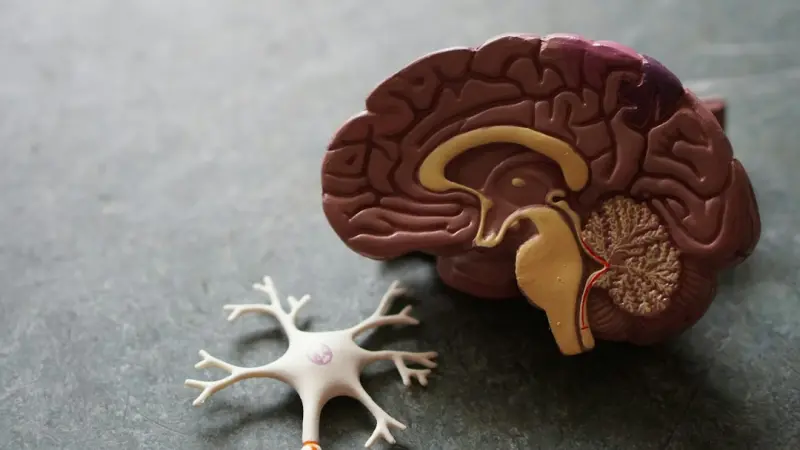
Why Your Gut Is the Unexpected Director of Your Mood
When I first sat down for a coffee with a colleague who swore by his new meditation app, I expected a conversation about breathwork and mindfulness. Instead, he launched into a passionate spiel about the bacteria living in his colon and how they were the real reason he felt “lighter” after switching to a plant‑forward diet. I laughed, chalked it up to a trendy health fad, and went back to my inbox. Two weeks later, after a stubborn bout of low energy that no amount of caffeine could shake, I found myself researching microbiome‑mind connections late into the night. The more I read, the more it felt like I was uncovering a hidden backstage crew that had been pulling the levers of my emotional state all along.
In this post, I’ll peel back the curtain on the gut‑brain axis, explore the science that’s turning it from a niche curiosity into a mainstream health pillar, and give you a toolbox of practical, low‑friction actions that you can start today. This isn’t a diet plan or a prescription for a probiotic pill—think of it as a blueprint for nudging a complex ecosystem in a direction that supports both physical vitality and mental clarity.
The Microbial Metropolis Inside You
Your gastrointestinal tract houses a bustling metropolis of microorganisms—bacteria, fungi, archaea, and viruses—collectively called the gut microbiota. While the average adult hosts roughly 40 trillion microbial cells, the collective genome of these microbes (the microbiome) contains over 150 times more genes than the human genome. In other words, the microbes in your gut are a genetic powerhouse capable of synthesizing vitamins, metabolizing fibers into short‑chain fatty acids, and even influencing hormone production.
- Metabolic cross‑talk: Certain gut bacteria break down otherwise indigestible fibers into compounds like butyrate, which serve as fuel for colon cells and have anti‑inflammatory properties.
- Neurochemical synthesis: Roughly 90% of the body’s serotonin—a neurotransmitter often linked to mood regulation—is produced in the gut. Other microbes can generate gamma‑aminobutyric acid (GABA) and dopamine precursors.
- Barrier integrity: A healthy microbial community fortifies the gut lining, preventing “leaky gut” phenomena that allow inflammatory molecules to enter the bloodstream and affect the brain.
These functions illustrate why the microbiome isn’t just a passive passenger; it’s an active participant in the body’s homeostasis, especially when it comes to the brain’s emotional circuitry.
From Gut Signals to Brain Waves: The Pathways
The gut and brain converse through three primary highways:
- Vagus nerve – This 20‑foot cranial nerve acts as a direct electrical conduit, transmitting signals from the enteric nervous system (the gut’s “second brain”) to the central nervous system.
- Immune signaling – Microbial metabolites can modulate systemic inflammation, which in turn influences neuroinflammation—a key player in mood disorders.
- Endocrine route – Hormones and neurotransmitter precursors produced by gut microbes travel through the bloodstream, crossing the blood‑brain barrier to affect cognition and affect.
When the microbial community is balanced, these pathways foster resilience, clarity, and emotional stability. When dysbiosis—an imbalance of the gut flora—takes hold, the same pathways can amplify stress, anxiety, and even depressive symptoms.
Dietary Choices: The Most Direct Levers
Food is the primary substrate that shapes your microbial landscape. Here are three evidence‑backed strategies to tip the scales toward a thriving microbiome:
- Fiber diversity: Different bacterial strains thrive on different fibers. Aim for a “rainbow” of plant foods—legumes, leafy greens, berries, nuts, and whole grains—to feed a broader microbial spectrum.
- Fermented foods: Yogurt, kefir, kimchi, sauerkraut, and kombucha introduce live cultures that can temporarily boost beneficial bacteria, especially during periods of dietary transition.
- Polyphenol power: Compounds found in green tea, cocoa, and certain herbs act as pre‑biotics, selectively nourishing health‑promoting microbes while curbing pathogenic ones.
It’s not about strict elimination; it’s about expanding the ecological niches within your gut. Think of your meals as a series of “seed packets” you’re sowing for the next generation of microbes.
Beyond Food: Lifestyle Tweaks That Talk to Your Microbes
While nutrition takes center stage, several non‑dietary habits also sway microbial health:
- Sleep regularity (but not the focus of “insomnia” or “narcoleptic” topics). Consistent sleep timing stabilizes circadian rhythms, which in turn synchronize microbial activity.
- Movement: Moderate, regular exercise has been shown to increase microbial diversity, possibly by enhancing gut motility and reducing inflammation.
- Stress management: Chronic psychological stress can alter gut permeability and shift the microbial balance toward opportunistic species.
- Environmental exposure: Time spent outdoors, especially in natural settings, introduces a wider array of environmental microbes that can seed the gut.
These habits are the “soft infrastructure” that supports a resilient microbiome, much like how a well‑maintained garden thrives when the soil, water, and sunlight are all in harmony.
Data‑Driven Micro‑Habits: Harnessing Real‑World Signals
We live in an era where wearable sensors and continuous health platforms are no longer a sci‑fi fantasy. While most people use these devices for step counts or heart‑rate trends, a growing niche of apps now offers real‑time glucose insights that can indirectly hint at gut health. Fluctuations in post‑prandial glucose spikes, for example, often correlate with fiber intake and microbial fermentation efficiency.
Here’s a simple framework to turn raw data into gut‑friendly action:
- Collect baseline data: Track fasting glucose, post‑meal glucose peaks, and subjective energy levels for one week.
- Identify patterns: Notice if high‑fiber meals blunt glucose spikes compared to refined carbs. This can be a proxy for effective short‑chain fatty acid production.
- Iterate weekly: Swap a refined‑carb side dish for a fiber‑rich alternative, then monitor how glucose responses shift.
- Correlate with mood logs: Jot down moments of irritability, anxiety, or mental fog. Over time, you may see a relationship between smoother glucose curves and steadier mood.
This data loop doesn’t require a lab‑grade stool test; it leverages tools already in many pockets and turns them into a feedback system for gut‑brain harmony.
Creating Micro‑Sanctuaries in Urban Life
Many of us work in glass towers and commute through concrete corridors. Yet research increasingly shows that regular exposure to natural environments can enrich our microbial exposure, enhancing immune tolerance and reducing stress hormones. While the title of a previous post focused on blood pressure benefits, the principle extends far beyond that metric.
Incorporating urban green sanctuaries into your routine can be as simple as:
- Walking a different city park during lunch breaks.
- Adding indoor plants that host diverse microbial communities—think spider plants, snake plants, and pothos.
- Choosing a coworking space with a rooftop garden or a nearby community garden where you can volunteer a few hours monthly.
These small doses of biodiversity act like “micro‑inoculations,” reminding the immune system that not every microbe is a threat and reinforcing the gut’s barrier function.
Putting It All Together: A 7‑Day Micro‑Reset Plan
Below is a pragmatic, low‑commitment schedule you can follow without overhauling your entire lifestyle. The goal isn’t perfection; it’s to create a series of micro‑wins that cumulatively shift the gut‑brain equilibrium.
- Day 1 – Fiber First: Add a serving of legumes (lentils, chickpeas, or black beans) to a meal. Keep a quick note of any changes in satiety or energy.
- Day 2 – Ferment Fun: Include a tablespoon of fermented vegetables with dinner. Observe taste satisfaction and any digestive comfort.
- Day 3 – Move & Breathe: Take a 20‑minute brisk walk outdoors. Pair it with deep, diaphragmatic breaths to lower cortisol.
- Day 4 – Sleep Sync: Set a consistent bedtime window (e.g., 10:30 pm–6:30 am). Avoid screens 30 minutes prior; instead, read a physical book.
- Day 5 – Data Check: Review your glucose or blood‑sugar trends from the past week. Note any smoother curves after high‑fiber meals.
- Day 6 – Green Exposure: Spend at least 30 minutes in a park or garden. If weather limits, bring a small potted plant to your workspace.
- Day 7 – Reflect & Plan: Write a brief journal entry summarizing how you felt mentally and physically. Identify which habit resonated most and plan to integrate it long‑term.
Even a single week of intentional, varied stimuli can nudge the microbiome toward a more balanced state, setting the stage for improved mood, sharper cognition, and a steadier energy baseline.
Looking Ahead: The Future of Gut‑Centric Health
We’re on the cusp of a paradigm shift where the microbiome will move from a “research curiosity” to a core metric in personalized health dashboards. Imagine a future where a simple breath test or a stool‑derived AI report recommends daily fiber targets, specific fermented foods, and even tailored stress‑reduction techniques—all calibrated to your unique microbial fingerprint.
Until that day arrives, the best we can do is practice informed experimentation, leverage the data tools at our disposal, and cultivate environments—both on our plates and in our surroundings—that invite beneficial microbes to thrive.
If you’ve found this exploration useful, I encourage you to share your own micro‑habit experiments in the comments. Let’s build a community of gut‑savvy professionals who understand that a resilient mind often starts with a resilient microbiome.

Related Posts

Adaptive Hydration: Real‑Time Personalization for Optimal Health
Adaptive hydration uses continuous biometric monitoring and AI-driven alerts to personalize water an... Read More

Breathing Better: How Indoor Air Quality Shapes Your Health
The air inside our homes can be up to ten times more polluted than outdoors, affecting inflammation,... Read More

Nature Immersion: The High‑Impact Health Hack for Urban Professionals
A practical guide for urban professionals on using forest bathing to lower stress, improve immune fu... Read More
Top Posts
The New Nutrition Paradigm: Holistic Fuel for Modern Life
Explore how modern nutrition integrates gut health, micronutrient density, and personalized fueling for sustained energy, performance, and overall wellness in 2...Read More

Scent and Sense: Unlocking Memory Through Olfactory Training
Explore the science behind olfactory training and learn simple, daily practices that use scent to boost memory, manage stress, and support overall brain health....Read More
Turning Prediabetes Into a Playground of Experiments
Learn a fresh, experiment‑focused strategy for managing prediabetes by leveraging environmental factors, personalized hydration, and intentional digital bound...Read More

Playful Movement: The Simple Secret to Boosting Mental Health
Explore the science and practical steps for turning everyday moments into joyful micro‑movements that boost mental health and resilience....Read More
0 Comments
Post Comment
You will need to Login or Register to comment on this post!