
Why Guesswork Is Overrated in Blood Sugar Management
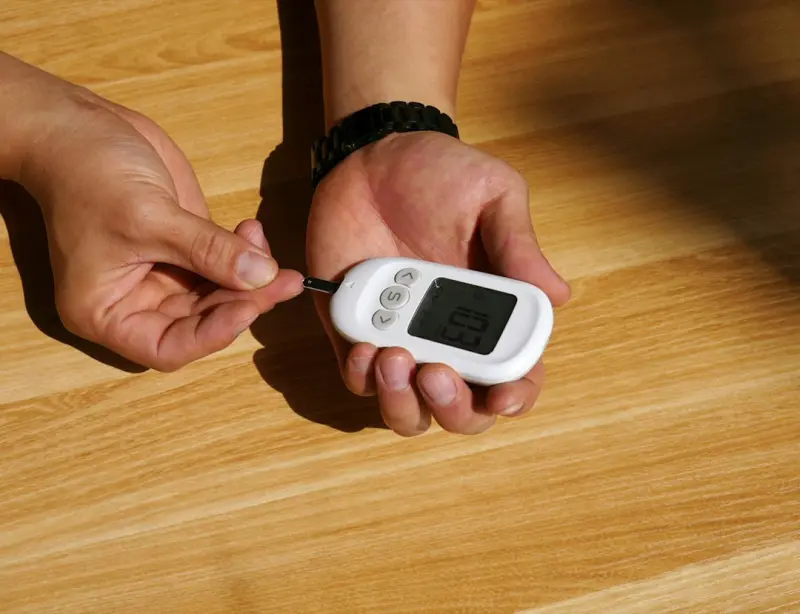
For decades the conversation around glucose control has been dominated by “eat less, move more.” While there’s truth to those basics, the modern world offers a richer toolbox. Imagine having a personal data analyst in your pocket, whispering real‑time insights about how today’s breakfast will affect your afternoon energy. That’s the promise of predictive glucose analytics, and it’s reshaping how we keep blood sugar steady.
The Data Revolution: From Lab‑Bound Tests to Continuous Glucose Monitors
In the past, the only window into your glucose landscape was a fasting blood draw or a sporadic finger‑stick. Today, continuous glucose monitors (CGMs) stream a new data point every five minutes, painting a dynamic picture of how food, stress, activity, and even ambient temperature influence your sugar curve. The real magic isn’t the raw numbers—it’s what you do with them.
When paired with a smartphone, a CGM becomes a live dashboard. Patterns that once took weeks to uncover appear in minutes. For example, you might notice a sharp spike after a seemingly innocuous cup of flavored coffee, or a gentle dip that correlates with a short walk after lunch. These insights empower you to intervene before a crash or a spike, turning reactive management into proactive stewardship.
Predictive Algorithms: Your Glucose Forecast Engine
Artificial intelligence is the engine that powers the forecast. By feeding historical CGM data, meal logs, activity trackers, and even sleep scores into machine‑learning models, the system can predict where your glucose will land in the next hour. Some platforms already alert you with a gentle vibration, suggesting a snack, a stretch, or a breath‑work session to smooth out the upcoming rise.
These predictions are not vague guesses. They’re calibrated to your unique physiology—your insulin sensitivity, basal metabolic rate, and even your typical stress response. The more you feed the system, the sharper its foresight becomes, creating a feedback loop that continuously refines its accuracy.
Micro‑Habits: Tiny Tweaks, Big Impact
Data is only half the equation. To translate insights into results, you need actionable habits that fit seamlessly into your day. This is where the concept of data‑driven micro‑habits shines. Instead of overhauling your entire routine, you adopt bite‑sized actions that target specific glucose fluctuations.
- Pre‑Meal Pairing: A 30‑second walk or a few minutes of deep breathing before eating can blunt post‑meal spikes.
- Fiber Flash: Adding a tablespoon of chia seeds or a handful of nuts to a snack provides soluble fiber that slows carbohydrate absorption.
- Hydration Cue: A quick glass of water 10 minutes before a high‑glycemic meal can dilute the sugar surge.
- Post‑Meal Movement: A 5‑minute low‑impact activity—like marching in place—within 20 minutes of eating helps muscles uptake glucose.
Because these habits are tiny, they’re easy to stack. Over weeks, the cumulative effect mirrors the results of major lifestyle changes, but without the overwhelm.
Smart Nutrition: Cooking With Insight
Knowing what to eat is one thing; preparing it in a way that preserves its glucose‑friendly qualities is another. The science of smart cooking techniques reveals that the method, temperature, and even the order of ingredient addition can alter the glycemic impact of a dish.
Here are three evidence‑backed tricks:
- Gentle Heat for Starches: Boiling potatoes and then cooling them for 30 minutes creates resistant starch, which digests slower and lowers the glycemic index.
- Acidic Balancing: Adding a splash of lemon juice or vinegar to a grain bowl can reduce carbohydrate absorption by up to 20%.
- Protein First, Carbs Later: Starting a meal with protein or healthy fats primes the digestive system, slowing the release of glucose from subsequent carbs.
When you combine these culinary tweaks with CGM feedback, you can see, in real time, how a small adjustment—like swapping a high‑heat stir‑fry for a low‑simmer stew—flattens your glucose curve.
Stress, Sleep, and the Hidden Drivers of Glucose Volatility
Even the most disciplined diet can be sabotaged by cortisol spikes. Stress hormones tell the liver to release stored glucose, preparing the body for “fight or flight,” even when you’re simply stuck in a Zoom marathon. The same goes for sleep deprivation; lack of restorative rest blunts insulin sensitivity, making the same meal look sweeter on your chart.
Predictive platforms integrate data from wearable stress trackers, heart‑rate variability monitors, and sleep apps. If the system detects a high‑stress window—say, an upcoming deadline—it may pre‑emptively suggest a calming ritual, such as a 3‑minute box‑breathing exercise, to mitigate the glucose surge before it even starts.
Building Your Personal Glucose Dashboard
Creating a unified view of all these data streams is easier than you think. Most CGM manufacturers offer open APIs that let you pull raw glucose numbers into third‑party health apps. Combine these with:
- Food logging apps (MyFitnessPal, Cronometer)
- Fitness trackers (Fitbit, Apple Watch)
- Sleep monitors (Oura Ring, SleepScore)
- Stress sensors (Garmin HRV, Muse)
Once aggregated, a simple dashboard can highlight:
- Average post‑meal glucose rise
- Time‑of‑day patterns (e.g., “afternoon dip”)
- Correlation scores between stress events and glucose spikes
- Effectiveness of each micro‑habit (e.g., “pre‑meal walk reduces spike by 12%”)
For those less tech‑savvy, many platforms now offer “one‑click” integration, turning the setup into a 5‑minute task rather than a multi‑hour project.
Case Study: From Roller‑Coaster to Rhythm
Meet Alex, a 38‑year‑old project manager who struggled with afternoon crashes despite a balanced diet. After adopting a CGM and linking it to a predictive app, Alex discovered two hidden culprits:
- Mid‑day Meeting Stress: Blood pressure surged during back‑to‑back calls, sending glucose up by 25 mg/dL.
- Late‑Afternoon Caffeine: A second espresso at 3 pm caused a delayed spike that peaked at 5 pm.
Armed with these insights, Alex introduced two micro‑habits:
- Before each meeting, a 30‑second mindful pause (breathing exercise).
- Swapped the 3 pm espresso for a green‑tea latte fortified with protein powder.
Within three weeks, Alex’s average glucose variance shrank from 45 mg/dL to 15 mg/dL, and energy levels remained steady through the workday. This transformation underscores how precise data, paired with tiny habit tweaks, can rewrite the glucose narrative.
Future Glimpse: Community‑Powered Glucose Intelligence
Imagine a network where thousands of anonymized CGM profiles contribute to a shared learning model. Such a community engine could surface macro‑trends—like the impact of seasonal produce on glucose stability—or suggest region‑specific meal plans based on local food availability. While privacy concerns are paramount, emerging federated learning techniques promise to keep individual data secure while still fueling collective wisdom.
In the near future, you may receive a notification saying, “Your neighborhood’s average post‑lunch glucose dip is 10 mg/dL; here’s a community‑tested salad recipe to help you stay on track.” This blend of personal analytics and community insight could make blood sugar management feel less like a solo mission and more like a shared journey.
Getting Started: A 7‑Day Action Plan
If the landscape feels overwhelming, start small. Here’s a roadmap to launch your predictive glucose journey:
- Day 1–2: Set Up a CGM – Choose a reputable device, follow the insertion guide, and sync it with your phone.
- Day 3: Connect Your Apps – Link food, fitness, sleep, and stress trackers to a central dashboard.
- Day 4: Baseline Mapping – Eat your usual meals for 24 hours while observing the glucose readout. Note any spikes.
- Day 5: Introduce One Micro‑Habit – Try a pre‑meal walk for 5 minutes before lunch. Record the effect.
- Day 6: Cook Smart – Apply a single smart cooking tip (e.g., add lemon juice to a carb dish) and track the response.
- Day 7: Review & Refine – Look at your dashboard trends. Identify the habit with the biggest impact and double down.
Consistency beats perfection. By the end of the week, you’ll have a data‑backed habit stack that feels natural, not forced.
Conclusion: Embrace the Predictive Edge
Managing blood sugar no longer has to be a game of guesswork. With continuous glucose monitoring, AI‑powered forecasts, and targeted micro‑habits, you can turn the invisible fluctuations into visible opportunities for improvement. Pair those tools with smart cooking, stress‑aware routines, and a dash of community intelligence, and you’ll find a steadier, more energetic you—one data‑driven decision at a time.

Brandy Miller is a dynamic freelance writer based in the vibrant city of Cambridge, Ontario. With a passion for storytelling that knows no bounds, she crafts compelling narratives that captivate and inspire. Brandy’s love for writing shines through in her versatile work, whether she’s penning thought-provoking articles or engaging content that resonates with readers. Her unique perspective and friendly tone make her a sought-after voice in the writing community. When she’s not weaving words together, you can find her exploring the beautiful landscapes of Ontario, always seeking new adventures and inspiration for her next piece. Brandy is not just a writer; she’s a creative force, making her mark one word at a time.
Related Posts
Holistic Blueprint for Stable Blood Sugar
A comprehensive guide that goes beyond counting carbs, offering actionable tips on meal timing, ligh... Read More

A Fresh Blueprint for Naturally Balancing Blood Sugar
Learn a practical, seven‑day plan that blends meal timing, strategic food combos, micro‑movement... Read More

The Clockwork Diet: Timing Your Meals to Master Blood Sugar
Learn how to harness your body’s circadian rhythm to manage blood sugar more effectively. This gui... Read More
Top Posts

Chrono‑Detox: Sync Your Body Clock for a Natural Cleanse
I turned my detox routine upside down by syncing daily habits with my internal clock, unlocking deeper cellular cleaning and steady vitality. Here’s the stepâ...Read More

Rewilding Your Gut: The Power of Soil‑Based Probiotics
A deep dive into soil‑based probiotics reveals how these ancient, spore‑forming microbes can diversify your gut, improve digestion, and enhance mental clari...Read More

Rewiring Your Day: Practical Ways to Keep Blood Sugar Stable
Kelly shares her personal journey and data‑driven tactics, including stress‑reduction, laughter, gut microbiome support, meal timing, and simple movement, t...Read More

Reimagining Everyday Choices: A Fresh Take on Prediabetes Prevention
A practical guide that blends mindset shifts, culinary creativity, smart movement, and subtle data use to help you prevent diabetes—no extreme diets, just sus...Read More
0 Comments
Post Comment
You will need to Login or Register to comment on this post!