
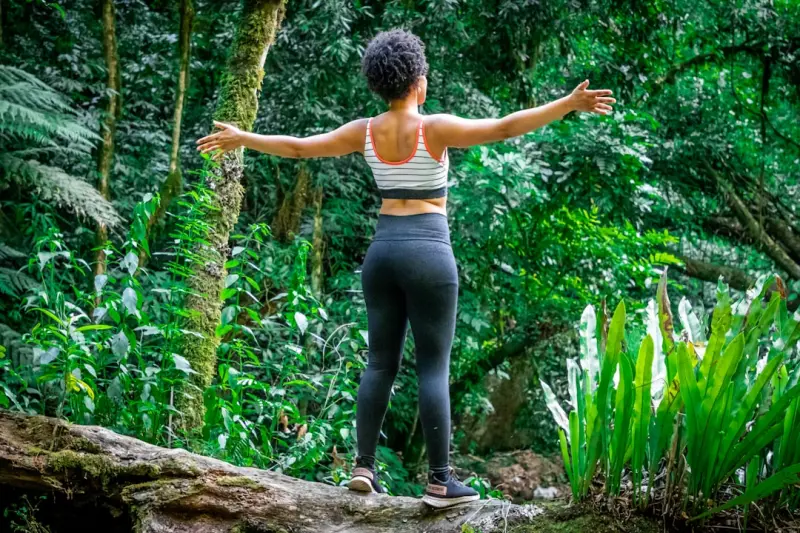
Why Urban Professionals Need a Forest Bathing Reset
When I first heard the term forest bathing (or shinrin-yoku) I imagined a whimsical spa day among pine needles. The reality, however, is far more powerful: it’s a science‑backed practice that leverages our innate connection to nature to recalibrate stress hormones, sharpen focus, and even boost immune function. As someone who spends most of my days juggling virtual meetings, deadline‑driven sprints, and the constant ping of notifications, I’ve discovered that a deliberate dose of green can be the missing piece in my health toolkit.
The Biological Case for Green
Decades of research show that exposure to natural environments triggers a cascade of physiological changes:
- Reduced cortisol: Time spent among trees lowers the primary stress hormone, giving the brain a break from the fight‑or‑flight loop.
- Enhanced NK cell activity: Natural phytochemicals and the calming ambience of foliage stimulate natural killer cells, key players in our body’s first line of defense.
- Improved heart‑rate variability (HRV): A marker of autonomic balance, HRV consistently rises after a walk in a park, indicating better resilience to stress.
These benefits aren’t just anecdotal. A meta‑analysis of over 30 studies found that even brief (15‑minute) exposures to greenery can significantly improve mood and lower blood pressure. For high‑performing professionals who can’t afford to hit the snooze button on health, integrating these micro‑doses of nature is both feasible and transformative.
From Theory to Practice: Building Your Green Routine
Implementing forest bathing doesn’t require a weekend retreat in a remote forest (though that’s a lovely option). Below is a step‑by‑step framework you can embed into a typical workweek.
1. Map Your Green Assets
Start by identifying the natural spaces within a 30‑minute radius of your home or office. This could be a city park, a riverwalk, a community garden, or even a tree‑lined street. Use a mapping app to tag these locations and note their accessibility (hours, safety, seating). The goal is to create a menu of go‑to spots you can rotate through.
2. Schedule “Nature Sprints”
Just as you block time for deep work, block 10‑20 minutes for a nature sprint. Set a recurring calendar invite titled “Green Reset” and treat it with the same non‑negotiable priority as a client call. The Micro‑Moments article highlighted how short, intentional breaks can yield outsized mental health dividends; a nature sprint is the green version of that concept.
3. Engage All Senses
Forest bathing is more than a visual stroll. Engage your senses deliberately:
- Sight: Notice the play of light on leaves, the texture of bark, the movement of clouds.
- Sound: Tune into birdsong, rustling leaves, distant water. If you can’t get to a park, consider a curated nature soundscape—research on ambient soundscapes shows they can boost brain performance, as explored in Why Ambient Soundscapes Are the Next Brain‑Boosting Frontier.
- Smell: Inhale the earthy aroma of soil (geosmin) and the fresh scent of pine.
- Touch: Feel the roughness of bark, the coolness of a stone bench, or the gentle breeze on your skin.
- Taste: If you’re near a farmer’s market, savor a fresh berry or sip a herbal tea made from local herbs.
4. Pair With Breathwork
Synchronizing breath with the rhythm of nature amplifies the calming effect. Try a simple 4‑7‑8 breathing pattern while walking: inhale for four steps, hold for seven, exhale for eight. This technique mirrors the natural ebb and flow of the environment, anchoring you in the present moment.
5. Reflect and Log
After each session, jot down a quick note in a digital journal: what you saw, felt, and any shifts in mood or energy. Over weeks, patterns will emerge, helping you refine the timing and locations that work best for you.
Integrating Green Into the Remote Work Lifestyle
Remote work has blurred the lines between home and office, often leading to a sedentary, screen‑heavy routine. Forest bathing offers a natural antidote. Here’s how to weave it into the remote workflow:
- Morning “Green Kick‑Start”: Begin the day with a 10‑minute walk around your block before logging onto the first video call. This primes your nervous system for focus.
- Post‑Lunch Recharge: Swap a coffee break for a stroll in the nearest park. The sunlight boosts vitamin D, which supports immune health.
- End‑of‑Day Wind‑Down: Use the sunset as a cue to step outside, allowing natural light to regulate circadian rhythms and improve sleep quality.
The Science of Timing: Aligning Green with Your Body Clock
Our bodies operate on circadian cycles, and the timing of environmental exposure can either reinforce or disrupt these rhythms. Aligning nature exposure with natural light cues can enhance melatonin production at night, leading to deeper, more restorative sleep. This aligns with principles discussed in Chrono‑Smart Living, which emphasizes the synergy between light, nutrition, and breath. By scheduling green walks during daylight, you reinforce these signals, setting a foundation for better metabolic health.
Forest Bathing for the Immune System: A Closer Look
While most of us think of immunity in terms of supplements or vaccines, the environment plays an underappreciated role. Phytoncides—volatile organic compounds released by trees—have been shown to increase the activity of natural killer cells, which target virus‑infected and tumor cells. A Japanese study found that participants who engaged in forest walks for two hours a day over four days experienced a 50% increase in NK cell activity, persisting for up to a month after the program ended.
For professionals navigating high‑stress projects, this natural boost can be the difference between catching a cold and staying on top of deliverables. The best part? It’s a free, non‑pharmaceutical intervention that synergizes with other health habits like adequate sleep, balanced nutrition, and regular movement.
Overcoming Common Barriers
Implementing a new habit inevitably meets resistance. Below are common objections and practical solutions:
“I don’t have a park nearby.”
Even a modest urban garden or a tree‑lined street can provide sufficient sensory input. If outdoor options are scarce, bring nature inside: a potted plant, a small water fountain, or a nature‑themed mural can simulate aspects of the experience.
“My schedule is too packed.”
Remember that the efficacy of forest bathing isn’t proportional to duration. Research shows that 15 minutes of focused nature exposure can yield measurable stress reductions. Slot these minutes into existing break times rather than creating new ones.
“I’m not a “nature person.”
Start with a curiosity mindset. Approach each walk as a data‑collection exercise: what sensations arise? How does your heart rate feel? Over time, the novelty fades, and the physiological benefits become the primary driver.
Measuring Impact: From Subjective Feelings to Objective Metrics
For the data‑driven professional, anecdotal feelings aren’t enough. Here’s a simple framework to quantify the impact of your green habit:
- Baseline Metrics: Record resting heart rate, HRV (using a wearable), and a daily stress rating (1‑10) for one week.
- Intervention Phase: Add 15‑minute nature sprints five days a week for four weeks.
- Post‑Intervention Review: Compare the same metrics. Look for trends: lower resting heart rate, higher HRV, reduced stress scores.
Many wearable platforms now integrate HRV trends directly into dashboards, making this tracking seamless. Over time, you’ll be able to see how consistency in green exposure correlates with performance outputs—be it fewer errors in code, sharper presentations, or more creative problem‑solving.
Scaling the Practice: From Individual to Team
While personal commitment is vital, the ripple effect of a green habit can extend to the entire organization. Consider proposing a “Nature Hour” where teams gather for a short walk or a virtual nature meditation session. This not only boosts individual well‑being but also fosters team cohesion, as shared experiences often create stronger interpersonal bonds.
Companies that have piloted such programs report higher employee satisfaction scores and lower burnout rates. By championing a culture that values time outdoors, you position yourself as a health‑forward leader—something that resonates strongly in today’s talent‑driven market.
Conclusion: The Green Prescription for High‑Performers
In the relentless pursuit of productivity, we often overlook the simplest, most potent tool at our disposal: the natural world. Forest bathing, when integrated as a regular micro‑habit, offers a scientifically validated pathway to reduce stress, enhance immune function, and sharpen mental acuity. Whether you’re a remote developer, a product manager, or an executive steering strategic initiatives, a 10‑minute walk among trees can be the catalyst that keeps you operating at your best.
So the next time your inbox pings with a “urgent” tag, pause, step outside, and let the forest do its quiet work. Your body, brain, and career will thank you.

Related Posts

Unlocking Everyday Energy: My Holistic Secrets for Sustainable Vitality
Explore my personal, holistic approach to everyday vitality—nutrition, movement, sleep, and commun... Read More

Digital Detox: Reclaiming Health in a Hyper‑Connected World
Tammy French shares a step‑by‑step guide to unplug, calm the mind, and revitalize the body, prov... Read More

Screen Sabbatical: How Unplugging Powers Your Health
A deep dive into the health benefits of stepping away from screens, with actionable steps to create ... Read More
Top Posts

Navigating Sleep Terrors: A Practical Guide to Calm Nights
Sleep terrors can feel overwhelming, but understanding their triggers and applying practical habits can restore calm. This guide offers actionable tips for a pe...Read More

Rewiring the Night: A Holistic Playbook for Persistent Insomnia
A comprehensive, step‑by‑step guide that blends sleep hygiene, nutrition, grounding, and cognitive behavioral tools to help chronic insomniacs finally achie...Read More
Living Wide Awake: My Holistic Path Through Narcolepsy
A personal guide to thriving with narcolepsy using holistic habits, mindful routines, and community wisdom—turning challenges into daily victories....Read More

Rethinking Blood Pressure: Playful Practices for Everyday Resilience
A fresh take on blood pressure management that blends playful movement, mindful breathing, and daily habits, offering readers practical tools to support heart h...Read More
0 Comments
Post Comment
You will need to Login or Register to comment on this post!