
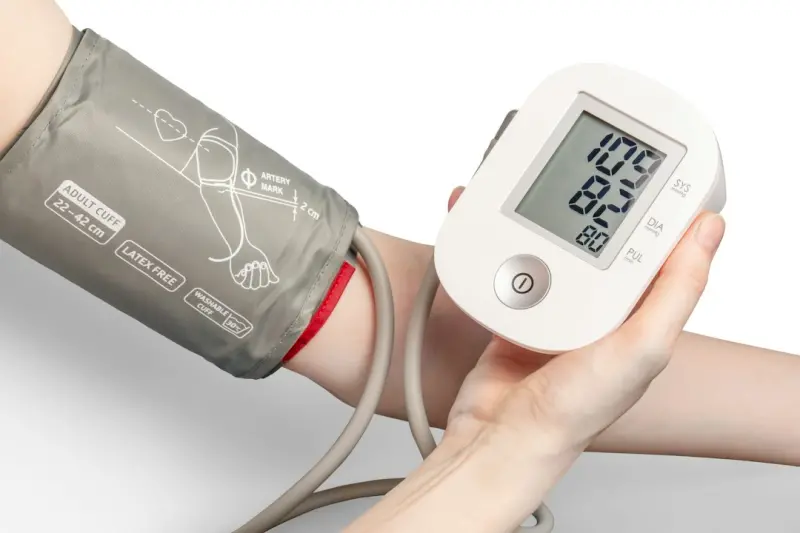
Finding Calm in the Canopy: Why Green Spaces Are Your Secret Weapon for Blood Pressure
When I first stepped onto a moss‑soft forest trail after a hectic week of client meetings, the world seemed to hit the pause button. The chatter of traffic faded, the harsh glow of screens dimmed, and a gentle chorus of birds took over the soundtrack of my day. In that moment, my pulse settled—not because I was doing anything “special,” but because nature was doing its quiet work.
Over the past few years I’ve been on a mission to demystify blood pressure management for busy professionals. My toolbox already includes data‑driven micro‑habits, mindful breathing, and nutrition hacks. Yet, one of the most potent—and often overlooked—tools lives right outside our front doors: the natural environment itself. Below, I’m sharing the science, the personal stories, and the practical steps you can take to let green spaces become a regular part of your blood pressure strategy.
The Science Behind the Green: How Nature Directly Affects Your Vascular System
Researchers have long noted that a walk in the park can lower systolic and diastolic pressure, but the mechanisms are multifaceted:
- Reduced sympathetic activation: Natural settings lower the activity of the “fight‑or‑flight” nervous system, decreasing heart rate and vascular resistance.
- Enhanced nitric oxide production: Exposure to phytoncides—volatile organic compounds released by trees—stimulates endothelial cells to produce nitric oxide, a key vasodilator.
- Stress hormone moderation: Cortisol levels dip after just 20 minutes of moderate exposure to green environments, which translates to calmer blood vessels.
In a meta‑analysis of over 30 studies, participants who spent at least 30 minutes in a natural setting experienced an average drop of 5 mmHg in systolic pressure—comparable to the effect of a low‑dose antihypertensive medication.
My Personal “Green Routine” – Turning Theory Into Everyday Practice
Below is the step‑by‑step routine that I’ve woven into my own life. Feel free to remix it; the goal is to make nature a habit, not a vacation.
- Morning Micro‑Nature Burst (5‑10 minutes): Before your first cup of coffee, step onto a balcony, sit by a window with a houseplant, or simply open the back door to inhale fresh air. Even a brief visual connection to green can trigger a parasympathetic response.
- Mid‑day “Green Lunch” (15‑20 minutes): Swap a conference call for a walk to a nearby park. Bring a portable lunch—think a quinoa salad wrapped in a reusable container—and let the surroundings be your dining room.
- Evening Forest Bathing (30‑45 minutes): On days when your schedule allows, head to a wooded trail or community garden. Slow your pace, engage all five senses, and practice tiny sensory tricks like feeling bark, listening to rustling leaves, and breathing in the earthy aroma.
Consistency is key. I track these moments in a simple spreadsheet, noting the location, duration, and how I feel afterward. After a month, the pattern is clear: days with at least one “green touch” correspond to lower home blood pressure readings.
Choosing the Right Green Space for Your Lifestyle
Not everyone lives next to a forest, but that’s okay. The benefits are dose‑dependent, not location‑dependent. Here are four categories that work for most urban dwellers:
- Urban Parks & Gardens: Look for community gardens, rooftop terraces, or city plazas with trees and shrubs.
- Waterfronts & Wetlands: The sound of water adds an extra layer of relaxation, further dampening stress hormones.
- Indoor Green Walls: If outdoor access is limited, invest in a vertical garden or a collection of low‑maintenance plants like snake plant and ZZ plant.
- Nature‑Inspired Art & Virtual Forests: High‑definition videos of forests or nature soundtracks can still trigger a modest physiological response when real exposure isn’t possible.
Integrating Green Time With Existing Health Strategies
If you’re already following a tactical playbook for blood pressure, consider green time as another data point. Here’s how to make the integration seamless:
- Link to Your Monitoring App: Many blood pressure devices sync to smartphones. Log your green exposure alongside your readings to spot patterns.
- Combine With Nutrition: Pair a walk with a “color‑rich” snack—berries, leafy greens, or a handful of nuts—to amplify antioxidant benefits.
- Stack With Mindful Breathing: While seated on a park bench, practice the 4‑7‑8 breathing technique. The combination of oxygen‑rich air and controlled breath can magnify vasodilation.
The Role of Community: Why Shared Green Experiences Multiply the Benefits
Human connection is a proven moderator of blood pressure, and when it happens in nature, the effect is synergistic. Organize a weekly “walk‑and‑talk” with colleagues, join a local gardening club, or start a neighborhood “forest‑friends” group. The shared laughter, conversation, and collective appreciation of green space create a positive feedback loop that keeps stress levels low.
Overcoming Barriers: Common Excuses and How to Beat Them
“I don’t have time.” – Solution: Schedule green time as a non‑negotiable meeting with yourself. Treat it like a medical appointment.
“It’s too cold/rainy.” – Solution: Dress in layers, use waterproof footwear, or shift to indoor green walls. Even a brief 5‑minute window of sunshine on a balcony counts.
“I’m not a ‘nature person.’” – Solution: Start with the easiest, most accessible green spots. The brain rewires with exposure; the more you do it, the more natural it feels.
Measuring Success: What to Track Beyond Blood Pressure Numbers
While the ultimate goal is a healthier vascular system, pay attention to secondary markers that indicate progress:
- Improved sleep quality (often a byproduct of reduced evening cortisol).
- Higher energy levels throughout the day.
- Reduced cravings for salty or sugary foods—a sign of balanced autonomic function.
Document these observations in a journal. Over time, you’ll see a holistic picture of wellness that reinforces your commitment.
Future Trends: How Technology Is Enhancing Nature‑Based Blood Pressure Management
Wearable tech is getting smarter about detecting environmental context. Imagine a smartwatch that alerts you, “You’ve been indoors for 2 hours—time for a 10‑minute green break.” Early prototypes already integrate UV exposure, ambient temperature, and even leaf‑density recognition to suggest optimal outdoor spots.
While we wait for these gadgets to become mainstream, you can simulate the effect by setting reminders on your phone or calendar, linking them to the nearest park map.
Closing Thought: Making Green Your Everyday Prescription
Blood pressure isn’t just a number—it’s a reflection of how our bodies respond to the world around us. By deliberately inviting nature into our daily rhythm, we give our cardiovascular system a gentle, consistent nudge toward balance. No expensive equipment, no complex diet overhaul—just a walk, a plant, or a moment of sunrise. Give it a try, track the changes, and watch how the world around you—and the pulse within you—starts to sync.

Brandy Miller is a dynamic freelance writer based in the vibrant city of Cambridge, Ontario. With a passion for storytelling that knows no bounds, she crafts compelling narratives that captivate and inspire. Brandy’s love for writing shines through in her versatile work, whether she’s penning thought-provoking articles or engaging content that resonates with readers. Her unique perspective and friendly tone make her a sought-after voice in the writing community. When she’s not weaving words together, you can find her exploring the beautiful landscapes of Ontario, always seeking new adventures and inspiration for her next piece. Brandy is not just a writer; she’s a creative force, making her mark one word at a time.
Related Posts

Tiny Daily Hacks to Tame Blood Pressure Without Changing Your Life
Learn how brief breath‑sync breaks, timed hydration, posture pulses, and other micro‑adjustments... Read More
Beyond the Cuff: Unconventional Levers to Tame Your Blood Pressure
A holistic guide reveals how tiny daily tweaks, mindful tech use, temperature therapy, and social su... Read More

Four Pillars to Naturally Manage Blood Pressure for High‑Performance Professionals
A practical, four‑pillar system—ambient light, curated soundscapes, breath‑controlled micro‑... Read More
Top Posts

Sarah Gray’s Holistic Muscle‑Gain Blueprint: Real Results Without Burnout
Sarah Gray shares her proven, holistic muscle‑gain strategy, covering nutrition, sleep, smart training, and stress management for lasting, real results....Read More

Rewire Your Environment for Sustainable Weight Loss
Kelly Reynolds shares a fresh, environment‑design blueprint that turns everyday spaces into weight‑loss allies, combining micro‑goals, gut health, and col...Read More

Digital Overload, Cognitive Burnout, and the Rise of Intentional Mental Hygiene
A deep dive into how nonstop digital interruptions erode mental capacity and actionable strategies—from focus windows to curiosity‑driven media consumptionâ...Read More

Cultivating Mental Resilience in a Hyperconnected World
A guide to building mental resilience through tiny daily practices, diet tweaks, and intentional workspace design, showing how leaders can turn stress into a st...Read More
0 Comments
Post Comment
You will need to Login or Register to comment on this post!