

Why Your Gut Deserves a Seat at the Executive Table
When I first started digging into the science of performance, I was laser‑focused on the brain, the heart, the muscles. I logged every macro, every rep, every hour of sleep. Then I stumbled upon a quiet revolution: the gut microbiome. Suddenly, the “second brain” wasn’t just a catchy metaphor—it was a living, breathing ecosystem that was pulling the strings on everything from mood to metabolism. If you’ve ever felt inexplicably sluggish after a carb‑heavy lunch or noticed a mood dip after a stressful meeting, the gut is whispering (or sometimes shouting) the reasons why.
The Microbial Workforce: Who’s on Your Payroll?
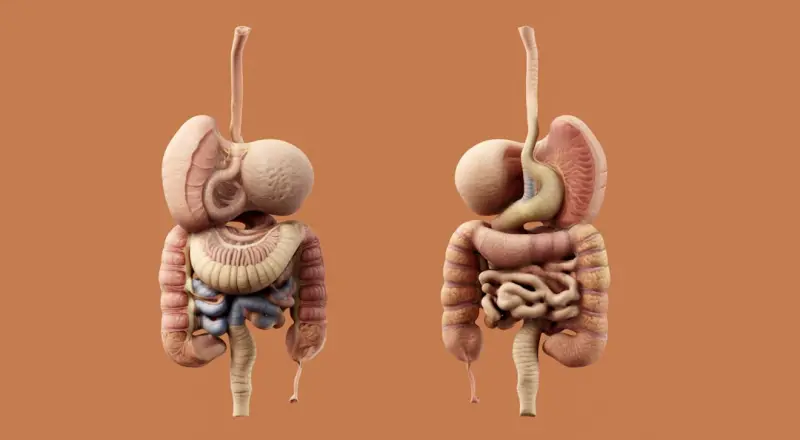
Think of your intestines as a bustling city. Hundreds of trillions of bacteria, fungi, archaea, and viruses occupy every niche, each with a job description. Some break down complex fibers into short‑chain fatty acids that feed your colon cells. Others synthesize vitamins B and K, while a few help modulate the immune system’s alarm bells. The diversity of this crew is the key metric—just as a city thrives on varied professions, a gut flourishes with a rich microbial tapestry.
Why diversity matters:
- Resilience: A varied microbiome bounces back faster from antibiotics or dietary upheavals.
- Metabolic flexibility: Different species unlock different pathways for extracting energy from carbs, fats, and proteins.
- Mental equilibrium: Certain microbes produce neurotransmitters—GABA, serotonin, dopamine—that travel via the vagus nerve to influence mood.
Gut‑Brain Dialogue: The Vagus Nerve as a Two‑Way Radio
The vagus nerve is the highway that links the gut to the brain. It’s not a one‑way street; it constantly relays information about nutrient availability, inflammation, and even stress hormones. When the gut sends a “danger” signal—say, from a pathogenic bloom—the brain interprets it as anxiety or fatigue. Conversely, chronic stress can dampen the gut’s motility, leading to constipation or bloating. Understanding this two‑way conversation lets you intervene on either side to restore harmony.
Practical Micro‑Management: 7 Strategies to Upgrade Your Microbial Workforce
- Fiber as Fuel: Aim for 30‑40 grams of diverse fiber daily. Mix soluble sources (oats, legumes, apples) with insoluble ones (whole grains, nuts, seeds). Soluble fibers ferment into butyrate, a powerhouse short‑chain fatty acid that protects the gut lining.
- Fermented Friends: Incorporate probiotic‑rich foods like kefir, sauerkraut, kimchi, and miso. These introduce live cultures that can temporarily boost diversity and outcompete harmful bacteria.
- Polyphenol Power: Berries, dark chocolate, green tea, and coffee contain polyphenols that act as pre‑biotics, feeding beneficial microbes while inhibiting pathogens.
- Mindful Meal Timing: Give your gut a nightly rest by finishing the last meal at least three hours before bed. This respects the circadian rhythm of gut motility and supports the nightly surge of repair hormones.
- Stress‑Buffering Practices: Simple breathing exercises, short walks, or a five‑minute meditation can lower cortisol, which in turn reduces gut permeability (“leaky gut”).
- Targeted Supplements: When diet falls short, a high‑quality multi‑strain probiotic (containing Lactobacillus, Bifidobacterium, and Saccharomyces) can help. Pair it with a pre‑biotic fiber like inulin for a one‑two punch.
- Stay Hydrated, Stay Happy: Water helps move fiber through the colon, preventing constipation and keeping microbial metabolites evenly distributed.
Connecting the Dots: Gut Health and Whole‑Body Performance
When your gut is in sync, you’ll notice tangible upgrades:
- Energy stability: Blood sugar spikes flatten because microbes help regulate glucose absorption.
- Enhanced focus: A balanced microbiome reduces “brain fog” by limiting inflammatory cytokines that cross the blood‑brain barrier.
- Improved recovery: Short‑chain fatty acids fuel colon cells, which in turn support systemic inflammation control—critical after intense workouts.
- Immune confidence: Roughly 70% of the immune system lives in the gut; a robust microbiome reduces the frequency of colds and minor infections.
From Theory to Action: A Day in the Life of a Gut‑Optimized Routine
Morning: Start with a glass of warm water infused with a splash of lemon, then a bowl of oatmeal topped with mixed berries, chia seeds, and a spoonful of kefir. The soluble fiber begins fermenting, while kefir delivers live cultures.
Mid‑Morning Snack: Handful of almonds and an apple. The polyphenols and fiber keep your gut workers busy.
Lunch: A salad of mixed greens, roasted chickpeas, avocado, and a drizzle of olive oil. Add a side of fermented sauerkraut for that probiotic boost.
Afternoon: Take a brief 5‑minute breathwork break—inhale for four, hold for four, exhale for six. This reduces cortisol spikes that could otherwise disturb gut motility.
Dinner: Grilled salmon (rich in omega‑3s) with quinoa and steamed broccoli. Finish with a cup of green tea to deliver polyphenols before bedtime.
Evening: A short walk (10‑15 minutes) after eating to stimulate the migrating motor complex, the gut’s nightly “clean‑up” phase.
When Things Go Off‑Track: Recognizing Red Flags
If you’re experiencing any of the following, your gut may be sending an SOS:
- Frequent bloating or gas after meals
- Unexplained mood swings or anxiety spikes
- Recurring skin breakouts (the gut‑skin axis is real)
- Irregular bowel movements—both constipation and diarrhea
- Persistent cravings for sugar or processed foods
These symptoms often point to an imbalance in microbial composition, excess inflammation, or a compromised gut barrier. The first step is a dietary audit followed by a low‑FODMAP trial or a short course of a broad‑spectrum probiotic, preferably under professional guidance.
Integrating Gut Intelligence into a Holistic Health Platform
At my tech startup, we’ve built a dashboard that pulls data from wearable sleep trackers, heart‑rate variability monitors, and now, a simple at‑home stool test kit. By overlaying microbiome diversity scores with sleep quality and stress metrics, users can see how a night of poor sleep correlates with a dip in beneficial bacteria. The platform nudges users toward the seven strategies above, turning abstract science into concrete daily actions.
Looking Ahead: The Future of Personalized Gut Care
Researchers are racing to develop “next‑gen” probiotics—engineered strains that can produce specific neurotransmitters on demand or break down allergens. Meanwhile, AI‑driven algorithms will soon predict your optimal fiber blend based on genetic markers and lifestyle inputs. The era where you can customize your gut ecosystem as precisely as you fine‑tune your workout playlist is almost here.
Until then, the most powerful tool remains consistency. Your gut is a living organ that thrives on routine, variety, and respect. Treat it like the executive partner it is, and you’ll notice the ripple effects across every facet of performance.
Resources Worth Exploring
If you’re ready to deepen your gut knowledge, start with these curated reads:
- Seasonal Detox: Aligning Your Body with Nature’s Rhythms for Lasting Cleanliness – A look at how seasonal eating patterns can naturally support microbial diversity.
- Reboot Your System: A Fresh Take on Body Detox for Modern Living – Practical steps to cleanse your gut without extreme fasting.

Related Posts

Designing Your Gut Landscape: A Fresh Guide to Microbial Mastery
Discover a city‑planning metaphor for gut health, with practical design principles, seasonal food ... Read More
Why Your Gut Is the CEO of Your Decision‑Making
Jessica Hall explains the science behind the gut‑brain connection and shares actionable steps to h... Read More

Syncing Your Gut Clock: How Meal Timing Fuels Microbiome Vitality
Tom Ferguson explains the science behind the gut’s internal clock and offers practical steps to sy... Read More
Top Posts

AI‑Driven Home Physio: How Smart Coaching is Redefining Recovery
AI‑driven home physiotherapy turns every living room into a smart rehab studio, offering instant feedback, gamified challenges, and data that unlocks better o...Read More

The Quiet Power of Predictive Nutrition in Prediabetes
A practical guide exploring micro‑habits, predictive nutrition, and preventive health models that help you gently reset insulin sensitivity and prevent predia...Read More

Reprogramming Your Liver: The Silent Engine Behind Peak Performance
A deep dive into how the liver’s detox, metabolic, and hormonal roles can be optimized through nutrition, movement, and environment, turning this silent organ...Read More

Playful Movement: The Simple Secret to Boosting Mental Health
Explore the science and practical steps for turning everyday moments into joyful micro‑movements that boost mental health and resilience....Read More
0 Comments
Post Comment
You will need to Login or Register to comment on this post!