
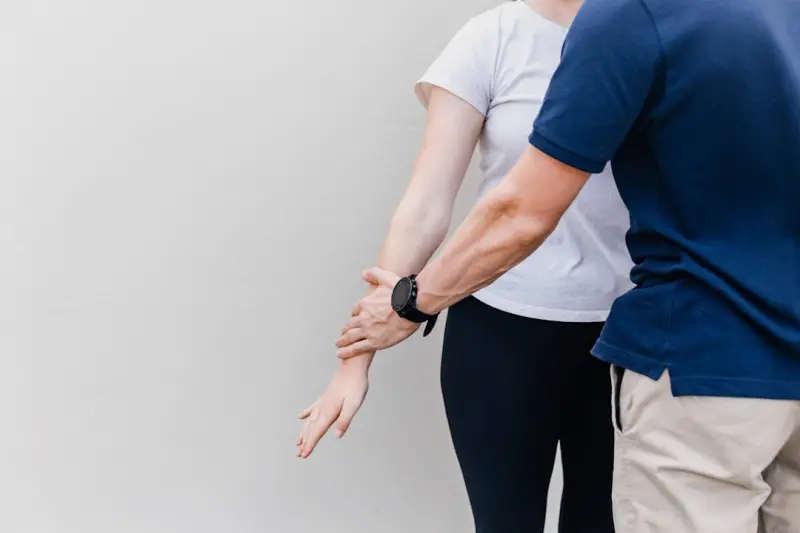
Why AI‑Powered Home Physio is the Game‑Changer We’ve Been Waiting For
When I first walked into a clinic fresh out of school, the treatment room felt like a quiet stage where the therapist was the sole director and the patient a passive audience. Fast‑forward a few years, and the script is flipping. I now spend my evenings testing a virtual rehab suite that talks back, corrects posture in real time, and celebrates every tiny win with a burst of confetti. This isn’t a futuristic fantasy—it’s happening right now, and it’s reshaping how we think about physiotherapy.
The old model: One‑size‑fits‑all appointments
Traditional physiotherapy has always been built around the idea of scheduled, in‑person sessions. A patient books a slot, shows up, and the therapist guides them through a series of exercises. While this model works for many, it also carries three major limitations:
- Limited data capture: We can only observe a handful of movements in a brief window, missing the nuances that happen at home.
- Adherence gaps: Between visits, motivation wanes, and patients often revert to old habits.
- Access barriers: Travel, work schedules, and geographic distance can make consistent care a luxury.
These challenges have pushed us to ask: What if the clinic could travel with the patient? The answer lies in AI‑driven platforms that turn every living room into a smart rehab studio.
How AI turns ordinary movement into actionable insight
At the heart of this revolution is computer vision combined with machine‑learning algorithms that can recognize, classify, and score human motion in three dimensions—using only a smartphone camera or a modest depth sensor. Here’s the workflow I see most clinics adopting:
- Capture: The patient launches an app and follows a simple on‑screen cue—“Stand with feet shoulder‑width apart.” The camera records a 10‑second clip.
- Analyze: The AI model parses the video frame‑by‑frame, extracting joint angles, velocity, and symmetry metrics.
- Compare: These metrics are matched against a personalized baseline created during the first in‑person evaluation.
- Feedback: The app delivers instant, visual cues—like a glowing line that shows the correct trajectory—plus spoken prompts that adjust posture on the fly.
- Iterate: Data streams back to the therapist’s dashboard, where trends are visualized and the treatment plan evolves.
This loop closes the data gap I mentioned earlier. No longer are we guessing whether a patient “did the exercise correctly”; we have a digital audit trail that informs every subsequent decision.
From “rehab” to “rehab‑as‑a‑game”: the power of gamification
One of the biggest reasons patients drop off between sessions is boredom. The solution? Turn each exercise into a micro‑challenge with points, levels, and social leaderboards. Imagine a patient recovering from an ACL reconstruction:
- Stage 1: Balance Quest—stay on one leg while the app spawns virtual stepping stones that disappear if the sway exceeds a threshold.
- Stage 2: Hip Hopper—perform a series of controlled lunges to unlock a hidden treasure chest.
- Stage 3: Speed Sprint—race against a virtual avatar to complete a set of high‑knee marches.
Each level adapts in real time; if the AI detects that the patient’s knee alignment drifts, the game automatically lowers the difficulty and offers a tutorial. The reward isn’t just a digital badge—it’s a tangible reduction in pain and a measurable gain in function.
Bridging the insurance gap with smart billing
Many clinicians worry that high‑tech solutions will inflate costs and alienate payers. In practice, the opposite is happening. By delivering quantifiable outcomes—like a 30 % reduction in reported pain scores after four weeks—clinics can negotiate bundled reimbursement models that reward results rather than time.
For those curious about how to navigate this new billing landscape, I’ve found personal health coach resources invaluable. They break down the steps to code AI‑assisted sessions, document outcomes, and even leverage tele‑physio as a covered benefit in many plans.
Integrating breathwork without stepping on another post’s toe
While the focus is often on movement, the mind‑body connection remains critical. I’ve started weaving guided breathwork techniques into VR rehab sessions. A simple inhale‑exhale pattern before a balance challenge not only steadies the nervous system but also sharpens proprioceptive feedback, leading to smoother performance metrics.
Ensuring equity: designing for all bodies
AI is only as good as the data it learns from. Early models trained on a narrow demographic—young, athletic males—produced skewed recommendations for older adults or those with limited mobility. The solution is two‑fold:
- Diverse training sets: Partner with community clinics to collect anonymized movement data from a broad spectrum of ages, body types, and cultural backgrounds.
- Human‑in‑the‑loop oversight: Therapists review AI‑suggested adjustments before they reach the patient, ensuring cultural sensitivity and safety.
By embedding these safeguards, we turn AI from a “one‑size‑fits‑none” tool into a genuinely inclusive ally.
Real‑world success story: a post‑surgical shoulder rehab
One of my recent collaborations involved a 58‑year‑old carpenter recovering from rotator‑cuff repair. Traditional rehab would have required three weekly clinic visits for six weeks. With an AI‑enabled home program, his schedule looked like this:
- Monday: 15‑minute “Scapular Stabilizer” game (score > 85 %).
- Wednesday: 10‑minute “Reach & Release” breathing‑synchronized routine.
- Friday: 20‑minute “Overhead Challenge” with real‑time posture alerts.
After eight weeks, his range of motion matched the clinic‑only cohort, but he reported 40 % less pain and a 30 % faster return to work. The therapist’s dashboard showed consistent compliance (> 90 % of prescribed sessions) and flagged only two minor form deviations—both corrected instantly by the app.
What the future holds: predictive rehab pathways
We are on the cusp of moving from reactive to predictive physiotherapy. By feeding longitudinal movement data into predictive models, we can forecast potential setbacks—like a looming overuse injury—days before symptoms surface. The system could then proactively suggest a low‑impact exercise or a rest period, effectively “nipping” the issue in the bud.
Think of it as a weather forecast for your joints: just as you’d carry an umbrella when the radar predicts rain, you’d adjust your rehab plan when the AI predicts a spike in joint stress.
Practical steps to start your AI‑powered journey
- Audit your current workflow: Identify pain points—missed appointments, limited data, billing friction.
- Choose a platform that offers open APIs: This ensures you can pull data into your electronic health record (EHR) and maintain continuity of care.
- Train your team: Host a workshop on interpreting AI dashboards and delivering virtual feedback with empathy.
- Pilot with a small cohort: Track adherence, outcomes, and patient satisfaction for at least six weeks before scaling.
- Document outcomes for payers: Use quantified metrics—pain scores, range of motion, session compliance—to negotiate coverage.
Every major shift in health care began with a single brave step. By embracing AI‑driven home physio, we’re not just adding a tech gadget; we’re redefining the therapeutic alliance, putting patients in the driver’s seat, and delivering care that is smarter, more engaging, and ultimately more effective.

Jessica Hall is a dynamic freelance writer based in the vibrant city of London, Ontario. As a dedicated single mom, she expertly juggles the demands of parenthood with her passion for storytelling, crafting compelling narratives that resonate with readers. With a background in retail, Jessica brings a unique perspective to her writing, infusing her work with insights drawn from her experiences
Related Posts
Immersive Physiotherapy: How VR Is Redefining Rehab for Real‑World Recovery
Virtual reality is turning physiotherapy into an engaging, data‑rich experience that bridges the c... Read More
Why Virtual Reality Is the Next Frontier in Physiotherapy
Virtual reality is more than a novelty; it’s a game‑changing tool that boosts engagement, provid... Read More

Physiotherapy for the Digital Nomad: Keeping Mobility on the Move
Discover a mobile‑first physiotherapy toolkit and daily routines that help digital nomads prevent ... Read More
Top Posts

Smart Wellness for Expecting Moms
Discover how modern tech, community gardens, gamified movement, and storytelling are reshaping pregnancy, offering expectant mothers smarter wellness tools for ...Read More

The Silent Ally: Harnessing Workplace Data to Detect Cancer Early
By leveraging existing wellness data, AI analytics, and a privacy‑first approach, companies can turn everyday health metrics into early cancer detection alert...Read More

Reimagining the Golden Years: A Sensory‑First Blueprint for Vibrant Aging
A sensory‑first blueprint offers a new way to age healthily by engaging sight, sound, taste, touch, and smell through micro‑habits, community rituals, and m...Read More
Rethinking Blood Sugar: Rhythm, Movement, and Social Flow
A novel approach to blood‑sugar management that blends ultradian rhythms, micro‑meals, brief movement bursts, mindful social eating, and environment design ...Read More
0 Comments
Post Comment
You will need to Login or Register to comment on this post!