

Why a Gut Clock Matters
When I first started tracking my own health metrics, I was obsessed with what I ate, not when I ate it. It took a series of inexplicable stomach cramps, erratic energy spikes, and a nagging feeling that something was “out of sync” before I realized I’d been ignoring the most powerful lever in gut health: time. The gut isn’t just a passive sack of bacteria; it’s a dynamic ecosystem that runs on its own circadian rhythm, a 24‑hour cycle that coordinates digestion, hormone release, and immune signaling. If the clock is off, the whole system can wobble, leading to bloating, cravings, and even low‑grade inflammation that sneaks into every other part of the body.
The Science of Microbial Rhythms
Researchers have mapped the daily ebb and flow of dozens of bacterial species in mouse and human guts. Certain microbes peak in the early morning, primed to break down breakfast carbs, while others dominate at night, focusing on repair and waste processing. These rhythms are driven by two main cues: food timing and the body’s master clock in the suprachiasmatic nucleus (SCN) of the brain. When you eat at irregular hours, you throw a wrench into this choreography, forcing microbes to operate on a “whack‑a‑mole” schedule that exhausts their metabolic pathways.
One practical takeaway is that consistency matters as much as composition. Your gut loves a predictable schedule, just like a reliable trainer loves a set workout plan. Aligning meals with natural light–dark cycles can reinforce the gut’s own “hour hand,” making digestion smoother and nutrient absorption more efficient.
Meal Timing Hacks That Actually Work
- Front‑load calories. Aim to consume the bulk of your daily calories before 2 p.m. Studies show that early‑day eating aligns with peak insulin sensitivity and a microbiome that is primed for carbohydrate breakdown.
- Set a “gut window.” Create a 10‑hour eating window (for example, 7 a.m.–5 p.m.) and stick to it. This practice, often called time‑restricted feeding, gives the gut a nightly fast to focus on repair and barrier reinforcement.
- Space protein and fiber. Pair a protein‑rich meal with soluble fiber (like oats or chia) to slow digestion, allowing microbes to ferment the fiber gradually rather than flooding the system.
- Mind the last bite. Finish your final meal at least three hours before bedtime. This gap gives the gut time to empty, reducing reflux risk and signaling the SCN that it’s time to wind down.
Light, Sleep, and Gut Health – The Triad You Can’t Ignore
Morning sunlight is the most potent cue for resetting the SCN. Exposure to natural light within the first hour of waking boosts cortisol in a way that signals “let’s get moving,” and it also triggers the release of ghrelin, the hunger hormone, nudging the gut microbiome to wake up. Conversely, blue‑light exposure from screens after dark suppresses melatonin, which not only delays sleep but also disrupts the nighttime surge of detox pathways that rely on a rested gut lining.
My personal experiment was simple: I set a strict “no‑screen after 8 p.m.” rule, turned on a warm amber lamp, and used a sunrise alarm clock. Within two weeks, my morning bowel movements became more regular, and my energy plateau flattened—no more mid‑afternoon crashes.
Beyond Food: Lifestyle Sync for a Happy Gut
While meals and light are the headline acts, several supporting players can fine‑tune the gut clock:
- Physical activity. A brisk 20‑minute walk after lunch not only helps glucose disposal but also sends mechanical signals to the gut, encouraging peristalsis at a time when microbes are primed for nutrient absorption.
- Hydration timing. Sip water steadily throughout the day, but avoid large gulps right before bed; excess fluid can dilute gastric acid and interfere with the nocturnal cleansing cycle.
- Mindful breathing. A quick biofeedback session—five deep diaphragmatic breaths before each meal—activates the parasympathetic nervous system, signaling the gut to shift into “digest” mode.
Fermented Friends: Timing Their Power
Fermented foods are still the undisputed champions of gut diversity, but they too have an optimal window. Consuming a modest serving of fermented foods in the morning, when the gut’s pH is slightly higher, can boost the survivability of beneficial strains as they travel through the stomach. Adding a splash of sauerkraut or a spoonful of kefir to breakfast not only seeds your microbiome early but also creates a favorable environment for the day‑time bacteria that excel at carbohydrate breakdown.
Personalizing the Gut Clock
Everyone’s microbiome is unique, shaped by genetics, early life exposures, and lifestyle. The most reliable way to find your sweet spot is a simple self‑audit:
- Track the time you eat, sleep, and feel energetic on a spreadsheet for two weeks.
- Note any patterns—do you feel sluggish when you eat late? Does a morning walk improve digestion?
- Adjust one variable at a time (e.g., shift breakfast 30 minutes earlier) and observe the impact.
Over time, you’ll uncover a personal rhythm that feels natural—a gut clock that ticks in harmony with your life.
Putting It All Together: A 7‑Day Gut Clock Reset Plan
Below is a practical, no‑equipment plan to re‑synchronize your microbiome. Feel free to adapt the times to fit your schedule, but keep the intervals consistent for at least a week.
- Day 1‑2: Light Reset – Get 15 minutes of sunrise light; no screens after 8 p.m.
- Day 3‑4: Early Eating – Finish dinner by 6 p.m.; aim for a 10‑hour eating window (7 a.m.–5 p.m.).
- Day 5‑6: Fermented Boost – Add a probiotic‑rich food to breakfast (e.g., kefir, miso).
- Day 7: Move & Breathe – Take a 20‑minute post‑lunch walk and do a 5‑minute diaphragmatic breathing routine before each meal.
After seven days, you should notice smoother digestion, steadier energy, and perhaps even a clearer mind. The gut clock doesn’t reset with a single miracle; it rewires through consistent, small actions that respect its natural cadence.
Future Horizons: The Gut Clock Meets Technology
Wearable devices are already tracking sleep stages, heart rate variability, and even skin temperature—variables that correlate with circadian health. The next wave will likely include real‑time microbiome monitoring, allowing you to see how a particular meal or sleep pattern shifts bacterial activity. Imagine a dashboard that nudges you to “pause the snack” when your gut is in a restorative phase. Until then, the low‑tech approach—consistent meals, natural light, and mindful movement—remains the most accessible and effective strategy.
Final Thoughts
Gut health is often framed as a static checklist: “eat more fiber, avoid processed foods.” While those fundamentals matter, the missing piece is timing. By honoring the gut’s circadian rhythm, you give your microbiome the structure it needs to thrive, and you, in turn, reap the benefits of better digestion, stronger immunity, and a calmer mind. As I’ve learned through trial, error, and a fair share of gut‑related misadventures, the simplest adjustments—when you eat, when you sleep, and how you expose yourself to light—can transform a chaotic gut into a well‑orchestrated symphony.

Tom Ferguson is a Canadian freelance writer with a passion for storytelling, current events, and thoughtful commentary. Drawing on years of writing experience, he shares engaging insights on a wide range of topics, bringing a uniquely Canadian perspective to his work.
Related Posts
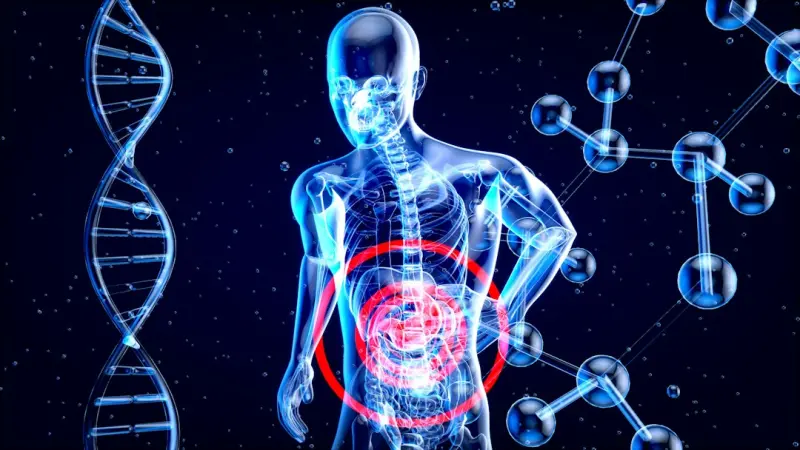
Microbiome Resilience: Turning Your Gut into a Stress‑Proof Engine
Discover practical, science‑backed tactics to fortify your gut against workplace stress, boost foc... Read More

Listening to Your Gut for Real Wellness
A personal guide to recognizing and responding to the gut’s daily messages, offering simple habits... Read More

Gut Health Unlocked: A Personal Journey to Balance and Vitality
A heartfelt exploration of gut health, blending probiotic foods, stress‑busting practices, and hor... Read More
Top Posts

Nikki’s Proven Path to Muscle Gain: Holistic Hacks for Real Results
Nikki McDonald shares her personal blueprint for muscle gain, blending smart nutrition, sustainable workouts, recovery rituals, and mindset tricks to build real...Read More
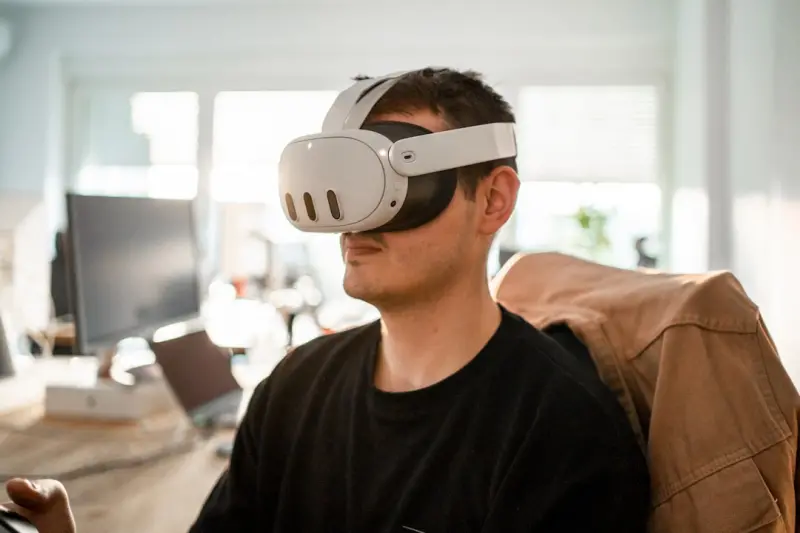
Virtual Reality Meets Physiotherapy: Redefining Home Rehab
Discover the future of physiotherapy as virtual reality brings clinic‑level care to your living room, enhancing motivation, precision, and outcomes for homeâ€...Read More

Detoxifying the Digital Age: Reclaim Your Body from Everyday Electromagnetic Toxins
A fresh look at detox that goes beyond juices and fasts, focusing on reducing electromagnetic exposure from devices, grounding practices, light management, and ...Read More
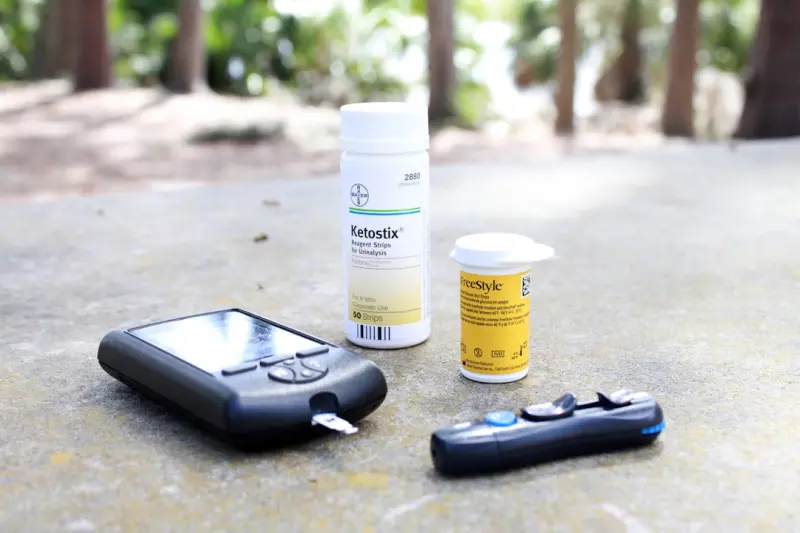
Holistic Blueprint for Stable Blood Sugar
A comprehensive guide that goes beyond counting carbs, offering actionable tips on meal timing, light exercise, hydration, mindful practices, and smart tech use...Read More
0 Comments
Post Comment
You will need to Login or Register to comment on this post!