

The Flavor‑First Blueprint: Redefining Nutrition for Creative Minds
When I first stepped into my home kitchen after a marathon brainstorming session, I realized I was treating my meals like a side‑track rather than the main stage of my creative process. The dishes I tossed together were quick, bland, and functional—nothing more than fuel. Yet, as someone who spends her days weaving stories and strategizing brand narratives, I’ve learned that food can be far more than calories; it can be a catalyst for imagination, focus, and emotional balance.
Why Flavor Matters More Than You Think
Our ancestors didn’t just eat to survive; they ate to explore. The vivid colors of ripe berries, the sharp snap of fresh herbs, the comforting aroma of slow‑simmered broth—all of these sensory cues triggered biochemical pathways that prepared the body for action. Modern science now confirms that the sensory experience of eating can influence hormone release, neurotransmitter balance, and even gene expression.
When a dish delights the palate, the brain releases dopamine, the same molecule that rewards us for solving a tough problem or closing a big deal. This natural surge can sharpen mental clarity, reduce stress, and create a subtle feedback loop that makes us more inclined to seek out nourishing foods again.
Three Pillars of a Sensory‑Driven Nutrition Strategy
- Color Intelligence: Vibrant hues aren’t just Instagram‑friendly; they indicate a spectrum of phytonutrients. Red tomatoes boast lycopene, orange carrots deliver beta‑carotene, and deep‑purple eggplants provide anthocyanins. Each of these compounds supports cellular health and can subtly affect mood.
- Texture Tactics: Crunchy, creamy, fibrous, or gelatinous textures engage different mechanoreceptors in the mouth, sending distinct signals to the brain. A crunchy apple can stimulate mastication, increasing saliva production and improving digestion, while a silky chia pudding can promote a feeling of satiety without excess calories.
- Aromatic Architecture: The olfactory system is directly linked to the limbic system, the seat of emotion and memory. Herbs like rosemary and basil, spices such as cinnamon and cardamom, and even the faint scent of toasted nuts can evoke calm, alertness, or nostalgia, influencing how we process information later in the day.
Designing Meals That Power Your Creative Flow
Below is a step‑by‑step framework I use when planning my weekly menu. Feel free to adapt it to your own palate and schedule.
1. Start with a Color Palette
Choose at least three different colors for each meal. This not only guarantees a variety of nutrients but also makes the plate visually appealing. For example, a lunchtime bowl could combine:
- Deep‑green kale (vitamin K, calcium)
- Sunset‑orange sweet potatoes (complex carbs, beta‑carotene)
- Golden‑yellow turmeric‑infused chickpeas (anti‑inflammatory curcumin)
2. Layer Textures
Think about contrast. Pair a soft quinoa base with roasted veggies for a slight chew, then finish with toasted pumpkin seeds for a satisfying crunch. This interplay keeps the digestive system engaged and can prolong the feeling of fullness, preventing the mid‑afternoon slump.
3. Infuse Aroma Early
Heat aromatic ingredients at the start of cooking. Sauté garlic and ginger, then add a splash of citrus zest just before serving. The lingering scent not only heightens pleasure while eating but also primes the brain for heightened alertness afterward.
4. Mindful Portion Timing
While I’m steering clear of strict time‑based eating windows to avoid echoing the chrononutrition narrative already covered on this blog, I do recommend aligning larger, carb‑rich meals with periods when you need sustained energy (e.g., before a long writing session) and lighter, protein‑focused meals when you need mental clarity (e.g., early afternoon).
Case Study: A Week in the Life of a Sensory‑Optimized Diet
Below is a snapshot of how I translate the blueprint into daily meals. Notice the intentional use of color, texture, and aroma, and the subtle way each dish supports my workflow.
| Day | Breakfast | Lunch | Dinner |
|---|---|---|---|
| Monday | Berry‑rich smoothie bowl (blueberries, strawberries, hemp seeds) topped with toasted coconut flakes. | Rainbow quinoa bowl: kale, roasted beetroot, orange bell pepper, and a drizzle of lemon‑tahini. | Pan‑seared salmon with a rosemary‑garlic rub, served with caramelized carrots and a side of wild rice. |
| Tuesday | Savory oatmeal with wilted spinach, poached egg, and a dash of smoked paprika. | Thai‑inspired noodle salad: rice noodles, shredded purple cabbage, shredded carrots, cilantro, and a lime‑chili dressing. | Slow‑cooked lentil stew seasoned with cumin, cinnamon, and a hint of orange zest. |
| Wednesday | Greek yogurt parfait layered with kiwi, pomegranate seeds, and a sprinkle of ground flax. | Grilled chicken caesar wrap using romaine, avocado, and a homemade anchovy‑free dressing. | Stuffed bell peppers (red, yellow, green) filled with quinoa, black beans, corn, and topped with melted mozzarella. |
Notice how each meal contains a deliberate mix of the three pillars, making the diet not only nutritious but also a source of sensory satisfaction.
Science Spotlight: How Sensory Eating Affects Cognitive Performance
Research published in the Journal of Nutritional Neuroscience indicates that meals rich in polyphenols and aromatic compounds can enhance functional connectivity in the prefrontal cortex—the brain region responsible for planning, decision‑making, and creative problem‑solving. When you combine these nutrients with a multisensory eating experience, the effect is amplified.
Another study from a leading culinary institute demonstrated that participants who ate meals with high visual contrast (bright colors) reported higher levels of motivation and lower perceived effort during subsequent mental tasks. This suggests that the simple act of looking at a colorful plate can prime the brain for productivity.
Integrating Technology Without Losing the Human Touch
While I love the data‑driven insights from wearables, I’m careful not to let them dominate my relationship with food. A smart kitchen scale can help you track macronutrients, but I use it primarily to ensure I’m hitting a target range for protein rather than micromanaging every gram. The goal is to let the senses guide the experience, while technology offers a gentle safety net.
If you’re curious about how data can complement a sensory approach, check out Autoimmune Resilience: Harnessing Wearable Data to Outsmart Flare‑Ups for ideas on balancing quantitative feedback with qualitative enjoyment.
Overcoming Common Pitfalls
- “I don’t have time to be creative in the kitchen.” Batch‑cook foundational elements (roasted vegetables, cooked grains, protein bases) on weekends. During the week, you only need to assemble and add fresh herbs or aromatics.
- “I’m not a ‘foodie’; I can’t pair flavors.” Start simple: combine a sweet element (like roasted carrots) with a salty one (feta cheese) and finish with an acidic splash (balsamic reduction). The classic sweet‑salty‑sour trio is a reliable formula.
- “I’m worried about calorie overload.” Prioritise low‑energy‑density foods (leafy greens, broth‑based soups) for volume, and use nutrient‑dense toppings (nuts, seeds) sparingly for texture and flavor.
From Kitchen to Boardroom: Translating Sensory Nutrition Into Leadership
When you experience the confidence that comes from feeling nourished, that energy naturally flows into meetings, presentations, and strategic planning. A well‑balanced, sensory‑rich meal can reduce cortisol spikes, improve heart‑rate variability, and create a calmer mental state—ingredients essential for effective leadership.
In fact, many top CEOs have spoken about the importance of a “signature breakfast” that combines taste, texture, and aroma to set the tone for the day. By adopting a similar practice, you can position yourself to think more clearly, communicate more persuasively, and navigate complex challenges with poise.
Quick Sensory Hacks for the Busy Professional
- Spice Up Your Water: Add a few slices of cucumber, a sprig of mint, or a dash of citrus zest. The subtle scent keeps you hydrated and refreshed.
- Micro‑Flavor Boosters: Keep a small jar of toasted sesame seeds, crushed pink peppercorns, or dried lavender on your desk. A pinch can transform a plain salad into a gourmet experience.
- Scented Workspace: Light a cinnamon stick or a citrus diffuser while you eat. The aromatic environment reinforces the neural pathways associated with alertness.
Conclusion: Make Your Plate a Canvas for Innovation
Nutrition isn’t just a checklist of macros; it’s an art form that can invigorate your mind, fuel your creativity, and anchor you in the present moment. By embracing color, texture, and aroma as the core elements of every meal, you turn eating from a mundane routine into a strategic advantage.
Next time you sit down to eat, ask yourself: What story does this plate tell? How does it feel in my hands, sound as I bite, and linger in my nose? When you answer those questions, you’ll discover that the most powerful tool in your creative arsenal has been sitting on your countertop all along.
For those interested in extending this philosophy to other aspects of health, the Chrononutrition guide offers a complementary perspective on aligning meals with your natural rhythms.

Related Posts
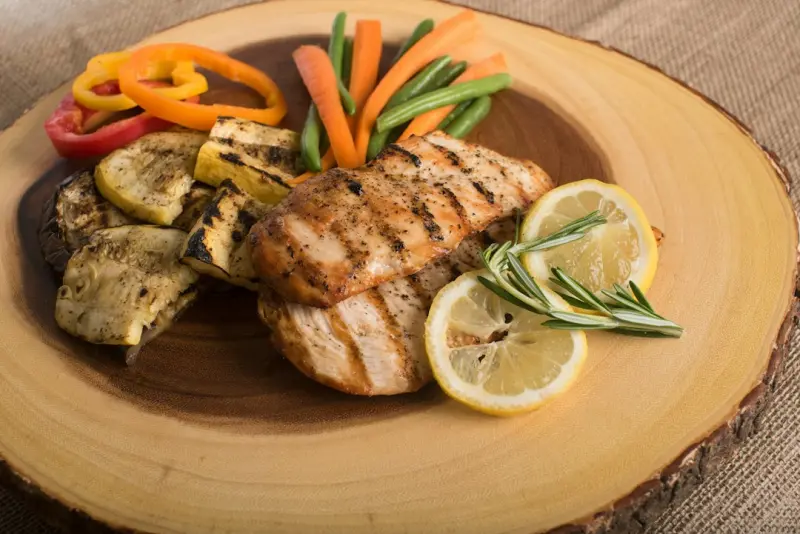
Flavor‑First Nutrition: Turning Every Meal into a Creative Power‑Up
Explore a sensory‑driven nutrition strategy that uses taste, aroma, texture, and visual appeal to ... Read More
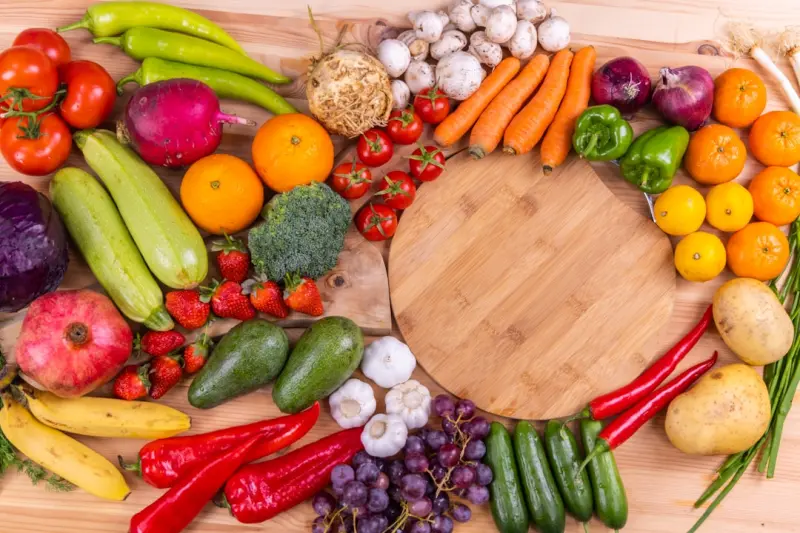
When Food Becomes Medicine: Mastering Nutrient Synergy for Everyday Performance
Explore the science of nutrient synergy, learn how to pair foods for maximum absorption, and get act... Read More

Flavor Architecture: Nutrition That Trains Your Brain
Discover the concept of flavor architecture—using color, texture, and aroma to design meals that n... Read More
Top Posts

Community Ways to Lower Blood Pressure
Discover how building a supportive community, leveraging micro‑habits, and incorporating playful competition can sustainably reduce blood pressure, boost resi...Read More
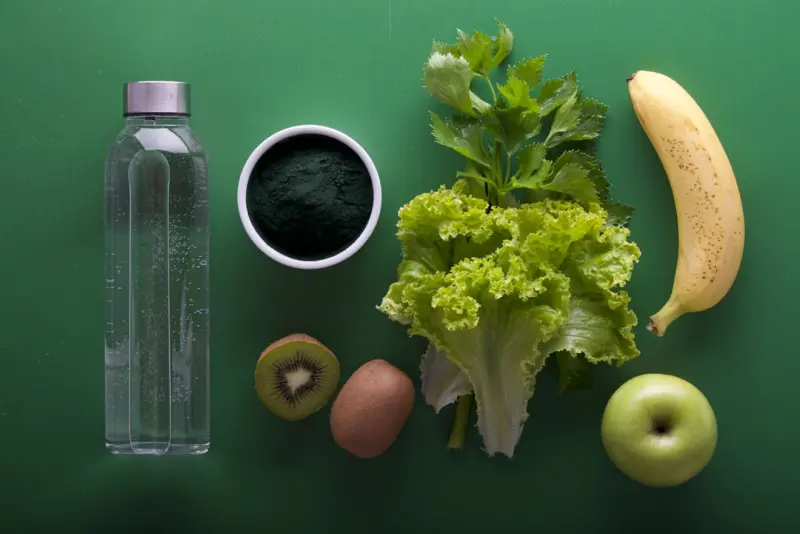
Snack Smart: Transforming Office Kitchens Into Gut‑Friendly Hubs
A practical roadmap shows how workplaces can shift snack culture to support the microbiome, improve mood, and enhance performance—all without sacrificing tast...Read More

Bump, Balance, and Bliss: My Holistic Pregnancy Journey
A heartfelt, holistic guide to pregnancy that blends nutrition, mental wellness, and gentle strength, empowering expecting moms to nurture both baby and self....Read More

Functional Fitness: A Modern Man’s Blueprint for Longevity
Learn how functional fitness transforms everyday strength, mobility, and mental resilience for men, offering practical steps and lifestyle tweaks that support l...Read More
0 Comments
Post Comment
You will need to Login or Register to comment on this post!