
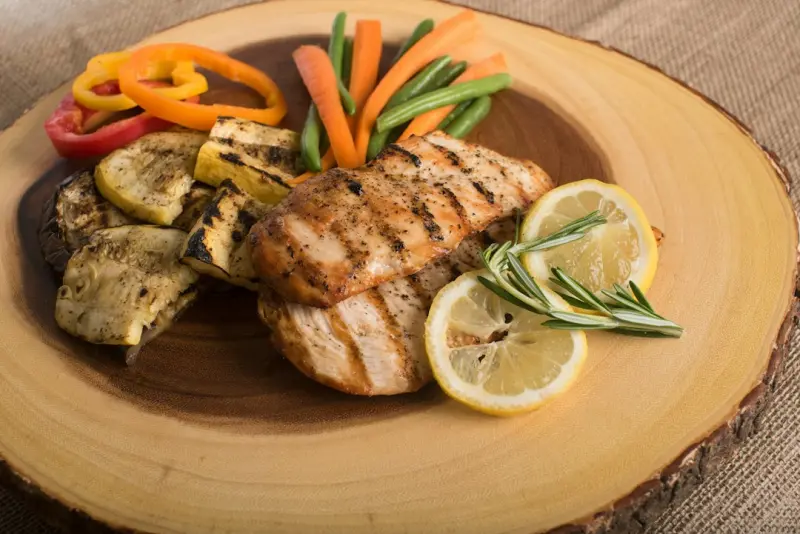
When Your Plate Becomes a Playground: Harnessing Flavor to Supercharge Creativity
I’ve always believed that nutrition is more than just calories and macros; it’s an invitation to an experience. As someone who spends her mornings sketching ideas for client campaigns while sipping a turmeric‑gold latte, I’ve learned that the way food tastes, smells, and feels can literally shape the way my brain works. This isn’t about “food hacks” that promise quick fixes. It’s about building a sensory‑first relationship with what you eat so that every bite fuels curiosity, problem‑solving, and sustained focus.
The Science of Sensory Nutrition
When we think about nutrition, the conversation often lands on proteins, fats, and micronutrients. Yet, neuroscientists have been uncovering a parallel story: our senses act as the first line of communication between food and the brain. The olfactory receptors in our nose, the taste buds on our tongue, and even the texture receptors in our mouth send rapid signals to the limbic system—the part of the brain that regulates emotion and memory. These signals can prime neural pathways that are critical for creative thinking.
One compelling study from the University of Pennsylvania found that participants who ate meals rich in umami and aromatic herbs showed heightened activity in the prefrontal cortex, the region associated with divergent thinking. The researchers hypothesized that the complex flavor profile required the brain to engage more integrative processing, effectively “warming up” the mental muscles needed for brainstorming.
Why Traditional Nutrition Advice Misses the Mark
Most corporate wellness programs focus on macro‑balanced meals, “clean eating,” or intermittent fasting. While these strategies are valuable, they often ignore the psychological dimension of eating. A bland salad may meet your protein goals, but it does little to spark imagination. In contrast, a vibrant bowl of quinoa topped with roasted beet, goat cheese, toasted pine nuts, and a drizzle of citrus‑infused olive oil can be a cognitive catalyst.
Think of it this way: your brain is a high‑performance engine that thrives on diverse fuel. If you only ever put in the same grade of gasoline, you’ll get consistent but predictable performance. Introduce a richer blend—different aromatic compounds, varied textures, and contrasting flavors—and you’ll notice a surge in mental elasticity.
Designing a Flavor‑First Meal Plan
Below is a step‑by‑step framework that lets you weave sensory richness into your daily nutrition without sacrificing nutritional integrity.
- Map Your Flavor Palette – Start by identifying three “signature” taste groups you enjoy: sweet, sour, bitter, salty, and umami. For each group, list at least five foods that exemplify it (e.g., berries for sweet, kimchi for sour, kale for bitter, sea salt for salty, miso for umami).
- Layer Textures – Pair a crunchy element (nuts, seeds, toasted grains) with a creamy component (avocado, hummus, Greek yogurt). The contrast forces your brain to process multiple sensory inputs simultaneously, sharpening attention.
- Play with Aroma – Herbs and spices are the unsung heroes of sensory nutrition. Fresh basil, smoked paprika, or a pinch of cardamom can turn a standard dish into an aromatic adventure that stimulates the olfactory bulb, a gateway to memory and imagination.
- Color as a Cue – Visual appeal isn’t just Instagram‑friendly; it signals the brain to anticipate nutrient diversity. Aim for a rainbow on your plate to cue the release of dopamine, the “reward” neurotransmitter that fuels motivation.
- Mindful Timing – Align your most flavor‑intense meals with your peak creative periods. If you’re a morning thinker, make breakfast a sensory showcase; if your creative flow peaks after lunch, give the afternoon meal the spotlight.
By following this framework, you can transform ordinary meals into strategic tools for brainstorming sessions, client pitches, or deep‑work blocks.
A Real‑World Example: The “Innovation Bowl”
Here’s a recipe I use when I need to generate fresh ideas for a client rebrand. It hits all five taste groups, offers multiple textures, and bursts with aroma.
- Base: Warm farro mixed with a splash of miso‑infused broth (umami).
- Protein: Grilled tempeh glazed with a maple‑soy reduction (sweet & salty).
- Veggies: Roasted purple sweet potatoes (sweet), pickled radish ribbons (sour), and sautéed kale tossed with garlic (bitter).
- Crunch: Toasted pumpkin seeds and thinly sliced fried shallots.
- Finish: A drizzle of citrus‑yuzu vinaigrette and a sprinkling of fresh cilantro.
The combination of warm, earthy farro with the bright acidity of pickled radish and the crunch of pumpkin seeds creates a multi‑dimensional sensory journey. When I’ve eaten this bowl, I notice my mind is more fluid, and ideas flow with less friction.
Linking Sensory Nutrition to Broader Performance Strategies
If you’ve read my piece on The Quiet Power of Food Pairing, you know I’ve championed the idea that strategic combinations can boost brain power. Flavor‑first nutrition is the next logical step: instead of pairing foods solely for biochemical synergy, we pair them for sensory synergy. The goal is to create a “taste orchestra” that conducts your brain into a state of heightened alertness and creativity.
Similarly, my earlier exploration of Nourishing the Remote Brain highlighted the challenges remote workers face in staying mentally sharp. Adding a sensory dimension to meals can counteract the monotony of a home office environment, providing a mini‑reset that re‑engages the brain’s reward pathways.
The Role of Environment: Setting the Stage for Sensory Eating
Even the best‑crafted flavor profile can fall flat if the eating environment is chaotic. Here are three tweaks you can make in your workspace or kitchen to amplify the sensory impact:
- Lighting: Soft, warm lighting reduces visual stress and makes colors appear more vivid, enhancing the visual appeal of your plate.
- Sound: Low‑frequency background music or natural sounds (e.g., a gentle rain track) can improve the perception of taste, making flavors feel richer.
- Mindful Pause: Before you eat, take three deep breaths and notice the aroma of your dish. This simple pause signals the brain to be ready for sensory input.
Addressing Common Concerns
“I don’t have time to cook elaborate meals.” – The beauty of flavor‑first nutrition is that it can be built incrementally. Start by adding a new herb or spice each week, or swap a plain side for a textured alternative (e.g., roasted chickpeas instead of plain rice).
“Will this increase my calorie intake?” – Not necessarily. The focus is on quality, not quantity. A well‑seasoned vegetable stir‑fry can be just as satisfying as a heavy protein plate, especially when the sensory experience is rich.
“I’m skeptical about the brain‑boosting claims.” – The research is still evolving, but the link between multisensory stimulation and cognitive performance is well‑documented in fields ranging from music therapy to virtual reality. Food is simply another medium for delivering that stimulation.
Putting It All Together: A 7‑Day Sensory Sprint
To help you integrate this approach, try a one‑week challenge. Each day, focus on a different sense:
- Day 1 – Sight: Assemble a plate that uses at least three contrasting colors.
- Day 2 – Smell: Include an herb or spice you haven’t used before and inhale it before eating.
- Day 3 – Taste: Create a dish that hits at least three of the five basic tastes.
- Day 4 – Texture: Pair a creamy component with a crunchy one.
- Day 5 – Sound: Eat in a quiet room with soft ambient music, paying attention to the sound of crunches.
- Day 6 – Temperature: Mix a warm element with a cold one (e.g., warm soup with a side of chilled salad).
- Day 7 – Integration: Combine all previous elements into one “masterpiece” meal.
Document your energy levels, focus, and creative output each day. You’ll likely notice patterns that inform how you structure future meals for peak performance.
Final Thoughts: Food as a Creative Catalyst
In the hustle of modern professional life, we often view food as a mere fuel source, something to be optimized for efficiency. Yet, when we honor the full spectrum of sensory experience, food transforms into a catalyst for imagination and problem‑solving. By deliberately curating flavor, aroma, texture, and visual appeal, you can turn every meal into a rehearsal for the next big idea.
So next time you sit down to eat, ask yourself: What story does this plate want to tell my brain? If you answer with curiosity, you’ll discover that the most powerful brainstorming session might just happen between your fork and your mind.

Becky Putman is an Ottawa-based freelance writer and marketing professional with a passion for storytelling, animals, and community involvement. She enjoys creating engaging content that informs, inspires, and connects with readers.
Related Posts
Fueling Creative Flow: Nutrition Strategies for the High‑Performance Mind
A deep dive into practical nutrition strategies—from micronutrient timing and fermented foods to a... Read More

The Holistic Nutrition Reset: How to Fuel Your Body for Real, Sustainable Energy
Explore a holistic nutrition reset that blends whole foods, mindful timing, and sustainable habits t... Read More
Nourish to Thrive: A Holistic Nutrition Reset for Busy Lives
A fresh, holistic guide to fueling your body amid a hectic schedule—learn how to balance macros, s... Read More
Top Posts
The Insider’s Guide to Getting the Most Out of Your Health Insurance
A personal, step‑by‑step guide reveals how to read the fine print, leverage preventive care, and master EOBs, turning health insurance into a true financial...Read More

Navigating Narcolepsy: A Holistic Journey
A personal guide that blends medical insight, holistic habits, and community wisdom to help those with narcolepsy reclaim daily energy and confidence....Read More

Rewiring Female Stress Response: A Biofeedback Blueprint for Modern Women
A fresh, data‑driven guide helps women harness biofeedback, hormonal cycles, and gut‑vagal nutrition to transform stress into a measurable, manageable ally....Read More

When Sensors Meet Symptoms: Harnessing Wearables to Tame Autoimmune Flare‑Ups
Wearable sensors now capture the subtle physiological changes that precede autoimmune flare‑ups, offering a proactive way to manage symptoms, personalize nutr...Read More
0 Comments
Post Comment
You will need to Login or Register to comment on this post!