

Why the First 100 Days Matter More Than Any Checklist
When I first held my newborn, the world seemed to shrink to the size of a tiny, swaddled bundle. In that moment, I realized that every decision I’d ever made—sleep, diet, stress management—was about to be filtered through a brand‑new lens. The infant period isn’t just a cute photo‑op; it’s a high‑stakes, data‑rich experiment where tiny micro‑milestones compound into lifelong health trajectories.
Most parenting guides reduce this phase to a series of “must‑do” items: “breastfeed for six months,” “establish a bedtime routine,” “track diaper changes.” Those are useful, but they miss the underlying systems that drive development: sensory integration, neuro‑immune communication, and the early habit loop. In this post I’ll unpack three under‑appreciated levers that parents can pull today—touch, rhythm, and environment—to give their infants a robust start without drowning in a sea of checklist anxiety.
The Power of Touch: Infant Massage as a Developmental Super‑Tool
Touch is the oldest language we have. From the moment a baby is born, skin‑to‑skin contact triggers a cascade of oxytocin, reduces cortisol, and primes the vagus nerve—our built‑in “calm” switch. While many parents think of massage as a luxury, research shows that a simple 5‑minute daily routine can improve weight gain in preterm infants, boost sleep efficiency, and even sharpen later language skills.
Here’s a quick starter protocol I use with my own child (and recommend to any caregiver who wants a low‑tech, high‑impact tool):
- Warmth First: Ensure the room is comfortably warm (around 75°F). Cold skin can trigger a stress response.
- Gentle Strokes: Use your fingertips to draw slow circles on the chest, then move to the arms, legs, and finally the back. Aim for a rhythm that matches the baby’s breathing.
- Eye Contact: Keep your gaze soft and steady. This reinforces the social bond and stimulates the mirror‑neuron system.
- Breath Sync: Inhale as you massage, exhale as you release. This mirrors the infant’s natural breathing pattern and deepens parasympathetic activation.
Consistent practice builds a “touch memory” that the brain stores alongside visual and auditory cues. Over time, the infant learns that touch equals safety, a foundation for exploring the world without chronic anxiety.
Rhythm Over Routine: Harnessing Natural Biological Beats
Most new‑parent guides champion a strict “sleep schedule” from day one. The reality is that infants are not miniature adults; they have a different circadian architecture that gradually aligns with the 24‑hour day.
Instead of forcing a rigid bedtime, observe and amplify the infant’s inherent rhythmic cues. Look for signs of drowsiness—yawning, decreased eye contact, slower suckling—and respond promptly. This “responsive rhythm” method respects the baby’s internal clock, leading to smoother transitions to nighttime sleep.
Research from developmental chronobiology suggests that exposing infants to consistent but flexible auditory and visual cues—like a soft lullaby or dim lighting—helps entrain the suprachiasmatic nucleus (the brain’s master clock) without the stress of a forced schedule. The result? Longer sleep stretches, less night‑time waking, and a calmer parent.
For a deeper dive into how technology can sabotage these natural rhythms, see When the Algorithm Eats. While the article focuses on adult eating habits, the underlying principle applies: constant digital stimulation can desensitize our brains to subtle signals, including those from our infants. Limiting screen time—especially in the hour before feeding or bedtime—preserves the infant’s capacity to hear its own internal cues.
Designing a Sensory‑Friendly Environment (Without Turning Your Home Into a Spa)
We’ve all heard about “minimalist” interiors, but infant‑centric design is about more than decluttering. It’s about curating sensory input: light, sound, texture, and temperature. Here are three practical tweaks that create a calming, developmentally supportive space:
- Light Control: Use blackout curtains for daytime naps to mimic a womb‑like darkness, but keep a low‑intensity nightlight that emits a warm amber hue. Blue light interferes with melatonin production, even in babies.
- Acoustic Buffer: Soft fabrics—rugs, curtains, plush toys—absorb ambient noise. A white‑noise machine that mimics a heartbeat can soothe a newborn, especially in bustling households.
- Temperature Consistency: Babies have limited thermoregulation. Aim for a stable room temperature (68‑72°F) and dress the infant in layers that can be added or removed without disturbing sleep.
These adjustments echo the principles in The Phone‑Free Night, where a data‑driven approach to light and sound dramatically improved adult sleep quality. By borrowing those insights, parents can engineer a nursery that supports the infant’s emerging circadian rhythms.
Building a Community Feedback Loop: When Parents Become Data Scientists
One of the biggest misconceptions about infant care is that it’s a solitary journey. In reality, the most resilient families are those that tap into collective intelligence—whether through pediatric support groups, online forums, or structured community challenges.
Enter the concept of “Gamified Community Challenges.” While originally designed to prevent prediabetes (Gamified Community Challenges), the framework can be adapted for infant milestones. Imagine a neighborhood app where parents log daily activities—skin‑to‑skin time, tummy‑time minutes, bedtime consistency—and earn points for streaks.
The benefits are twofold:
- Accountability: Knowing you’ll share your progress with peers nudges you to maintain healthy habits.
- Data‑Driven Insight: Aggregated data can reveal patterns—perhaps a certain lullaby improves sleep across many families, or a particular diaper brand correlates with fewer rashes.
These community-driven datasets empower parents to make evidence‑based tweaks without feeling like they’re conducting a clinical trial on their child. The key is to keep the competition friendly and the data anonymous, focusing on collective uplift rather than individual ranking.
Nutrition Starts Earlier Than You Think
While breastfeeding and formula remain the primary nutrition sources in the first six months, the “pre‑nutrient” environment—the mother’s diet, the microbiome she passes on, and even the skin‑to‑skin contact—sets the stage for gut health. Early exposure to diverse, low‑sugar, high‑fiber foods (even indirectly through breastmilk) can influence the infant’s future taste preferences and metabolic pathways.
Here are three low‑effort strategies for parents:
- Varied Maternal Diet: Incorporate a rainbow of fruits and vegetables while nursing. Compounds like flavonoids and polyphenols cross into breastmilk, priming the infant’s gut for diverse bacterial colonies.
- Delayed Introduction of Sweet Flavors: Research suggests that early exposure to high‑sugar liquids can set a lifelong preference for sweetness. Wait until the infant is ready for solids before introducing fruit juices.
- Probiotic‑Rich Skin Contact: The act of holding a baby after a shower—when the mother’s skin microbiome is at its peak—can transfer beneficial bacteria that help seed the infant’s gut.
These subtle moves have outsized effects. By the time the child reaches toddlerhood, the foundations for a balanced microbiome—critical for immune function, mood regulation, and even cognitive development—are already in place.
The Emotional Ripple Effect: Parental Stress and Infant Resilience
It’s impossible to separate infant health from caregiver well‑being. Studies show that chronic parental stress raises cortisol levels in breastmilk, which can affect the infant’s stress response systems. The good news? Simple mindfulness practices, like a 5‑minute breathing exercise before each feeding, can lower cortisol by up to 30%.
Integrating a brief “reset” ritual—deep breath, gentle stretch, a moment of gratitude—creates a feedback loop: calmer parent → calmer infant → more restful sleep for both. This cycle mirrors the principles of hormesis discussed in other articles, but here the “stress” is emotional rather than physical.
Putting It All Together: A 30‑Day Action Plan
To make these concepts actionable, here’s a concise, step‑by‑step plan that blends touch, rhythm, environment, community, and nutrition:
- Day 1‑7: Establish a Touch Routine—Commit to 5 minutes of infant massage each evening. Track minutes in a journal or community app.
- Day 8‑14: Rhythm Tuning—Observe natural drowsiness cues. Replace any forced bedtime with a “responsive rhythm” approach.
- Day 15‑21: Sensory Space Upgrade—Install blackout curtains, add a white‑noise machine, and set the thermostat to a stable range.
- Day 22‑28: Community Challenge—Join a local parent group’s “100‑Day Milestone Tracker.” Log daily activities and earn points for consistency.
- Day 29‑30: Nutrition Review—Assess your own diet for diversity. Add one new vegetable or fruit each week and note any changes in infant behavior.
At the end of the month, review your data. Look for patterns: Did massage days correlate with longer infant naps? Did a quieter environment reduce night waking? Use those insights to refine the next 30‑day cycle.
Final Thoughts: The Tiny Levers That Move Mountains
Infancy isn’t a period of passive development; it’s an active dialogue between a newborn and its environment. By focusing on touch, rhythm, sensory design, community feedback, and nutrition, parents can become intentional co‑architects of their child’s health destiny. The beauty lies in the simplicity: tiny daily actions, when repeated, generate massive, lifelong benefits.
Remember, you don’t need a PhD to raise a healthy infant—you need curiosity, consistency, and a willingness to let data guide your love.

Tom Ferguson is a Canadian freelance writer with a passion for storytelling, current events, and thoughtful commentary. Drawing on years of writing experience, he shares engaging insights on a wide range of topics, bringing a uniquely Canadian perspective to his work.
Related Posts

Nurturing Your Newborn’s Immune System: Practical Steps for Parents
A newborn’s immune system is a work in progress. Learn how simple daily habits like skin‑to‑sk... Read More
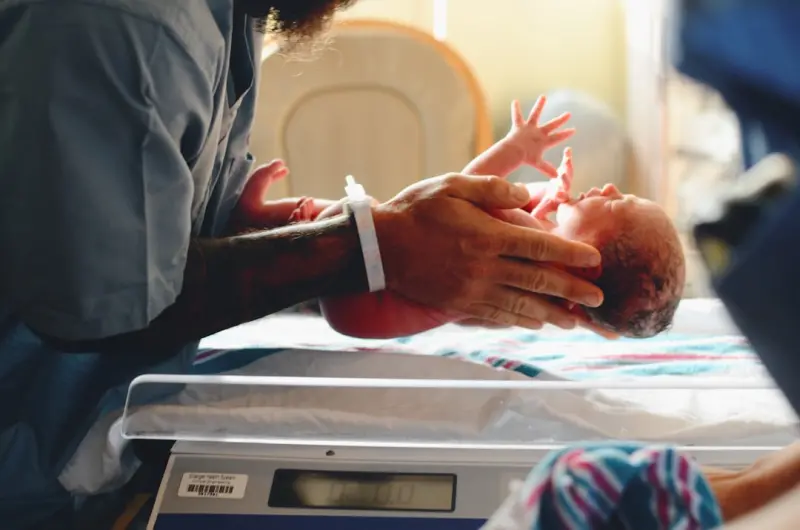
Nurturing the Newborn Microbiome: Simple Strategies for Lifelong Health
A deep dive into the infant microbiome, offering actionable tips— from skin‑first care to diet a... Read More
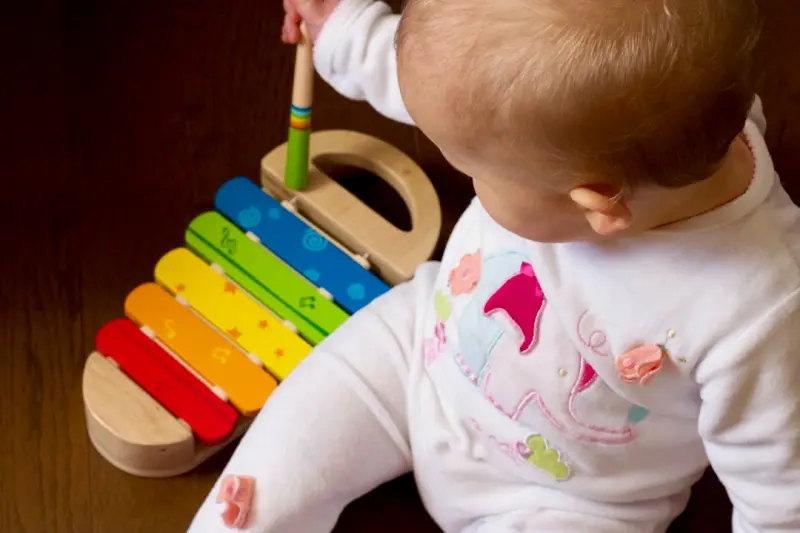
Why Your Baby’s First Soundtrack Matters More Than You Think
Discover the science behind infant auditory development, why natural rhythms, music, and language ex... Read More
Top Posts

Your Liver’s Secret Role in Stress Resilience
Explore the hidden connection between stress and liver function, learn rhythmic nutrition, key micronutrients, and stress‑modulating practices to keep your li...Read More

Silent Signals: Leveraging Everyday Tech to Keep Your Blood Sugar in Check
Turn ordinary home and office tech into a silent partner for glucose stability—learn practical steps to smooth out blood‑sugar spikes and boost focus....Read More
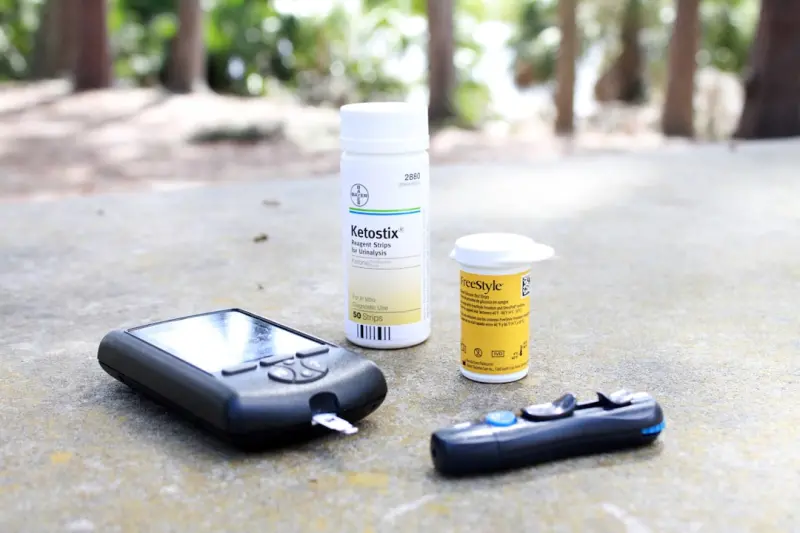
Glucose Budgeting: A Fresh, Sustainable Way to Manage Blood Sugar
Treat blood sugar management like a personal finance project: track carb “income,” log glucose “expenses,” and use micro‑habits, gut health, and gamif...Read More

Micro‑Movements for Brain Fitness: Tiny Physical Shifts That Supercharge Cognitive Resilience
Discover the science behind micro‑movements—brief, low‑impact actions that enhance cerebral blood flow, trigger neuroplasticity, and lower stress—offeri...Read More
0 Comments
Post Comment
You will need to Login or Register to comment on this post!