
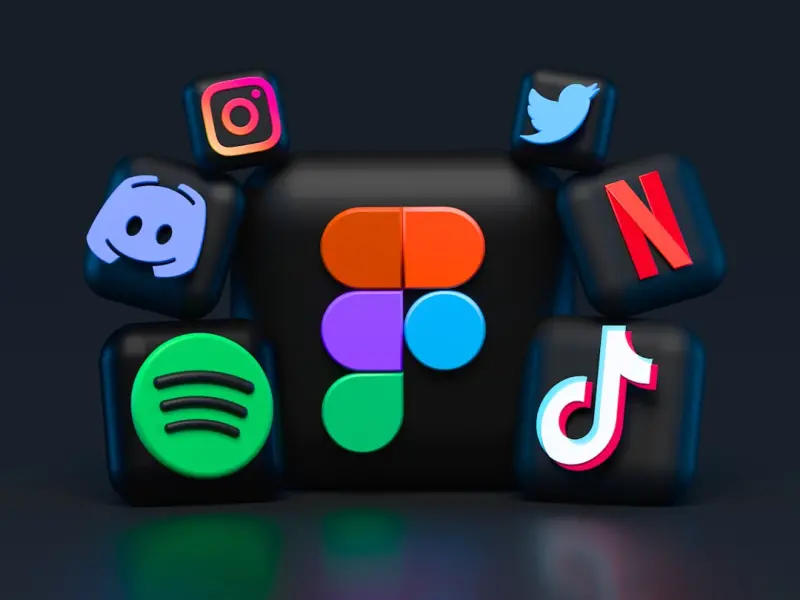
When the Algorithm Eats: How Social Media Fuels Modern Eating Disorders
It’s a strange paradox that the same platforms we use to find community, inspiration, and a quick laugh can also become the silent architects of self‑destructive patterns around food. As someone who has spent years listening to stories from the frontlines of mental‑health clinics, I’ve watched a new breed of eating‑disorder triggers emerge—not just from glossy magazine spreads, but from the endless scroll of perfectly curated feeds, “fitspiration” reels, and AI‑generated diet plans.
In this post I’ll unpack three intertwined dynamics that make the digital world a fertile ground for disordered eating, and I’ll share concrete, low‑threshold strategies you can adopt whether you’re a therapist, a HR professional, or simply a friend trying to be a better ally. Spoiler: the solution isn’t about “turning off the internet” (though occasional digital detoxes help). It’s about rewiring the relationship you have with the algorithms that serve you content.
The 1️⃣ “Comparison Carousel” – When Likes Become Calories
Every swipe feels like a silent judgment. A friend posts a “clean‑eating” breakfast photo, a influencer shares a “one‑week detox” plan, and somewhere in the background a recommendation engine nudges you toward the next “low‑carb” challenge. The brain’s reward circuitry doesn’t differentiate between a “like” on a photo and a “like” on a personal accomplishment. When the dopamine hit from a notification is constantly paired with images of perfectly plated meals, it creates a feedback loop where self‑worth is measured against an impossible visual diet.
Research shows that exposure to idealized food imagery can increase body dissatisfaction and trigger restrictive eating behaviors within minutes. The problem is compounded by algorithmic amplification: the more you engage with a particular type of content, the more the platform shows you similar posts, tightening the echo chamber.
Quick fix for the carousel: Set a “content guardrail.” Most platforms now let you hide specific keywords or topics. If “meal prep,” “clean eating,” or “detox” start to feel like triggers, mute them. It’s a simple technical tweak that can dramatically lower exposure to harmful comparisons.
2️⃣ The “Data‑Driven Diet” Delusion – When Apps Promise Perfection
We’ve all tried a calorie‑counting app that promised “personalized nutrition.” The promise is seductive: “Your data + AI = the perfect diet.” What it often forgets is that the data it receives is fragmented—sometimes it’s just a photo of a snack, a manual entry of a meal, or a step count. The AI then extrapolates a “perfect plan” that may not account for emotional states, cultural food practices, or the subtle cues of hunger and fullness.
When you overlay this algorithmic diet onto the social‑media comparison carousel, you end up with a potent mix of external validation and internal control. You’re chasing a data‑driven ideal while constantly measuring yourself against a curated feed of “ideal bodies.” That double‑bind can accelerate the onset of restrictive patterns, binge cycles, or orthorexia (the obsessive fixation on “clean” eating).
One practical antidote is to shift the focus from numbers to feelings. Instead of obsessing over macros, practice a “mindful check‑in” before each meal: ask yourself what you truly crave, how your body feels, and whether you’re eating for nourishment or for the algorithm’s approval.
3️⃣ The “Community Cloak” – When Online Support Turns Toxic
There’s no doubt that online communities have saved countless lives. Peer‑to‑peer groups for eating‑disorder recovery can provide anonymity, empathy, and resources that traditional therapy may lack. However, the same anonymity also creates a “cloaked” environment where harmful advice can spread unchecked.
Think of the “pro‑ana” forums of the early 2000s—now reborn in private Discord servers and encrypted chat groups. While many groups now enforce strict moderation, the line between “support” and “glorification” can blur. A well‑intentioned comment like “You’re so strong for resisting the cravings” can unintentionally reinforce restrictive behavior.
For professionals: incorporate a digital safety checklist into intake assessments. Ask clients about the online spaces they frequent, what kind of content they consume, and whether they have “trigger warnings” in place. For friends and family: learn the signs that an online community may be doing more harm than good—constant sharing of “progress pics” measured in calories, or an emphasis on “clean” vs. “dirty” foods.
Bridging the Gap: How Gut Health and Mental Micro‑Breaks Can Counteract Digital Overload
One overlooked angle is the gut‑brain axis. While the digital world fuels psychological triggers, the physical gut often bears the brunt of stress‑induced eating patterns. A balanced microbiome can improve mood regulation, reduce anxiety, and even dampen cravings for “comfort” foods that are often marketed as “healthy hacks.” For a deep dive on how gut health supports cognition, check out Gut Health and Cognition.
Equally important are mental micro‑breaks. In the midst of a scrolling session, pause for 30 seconds: close the app, take three deep breaths, and mentally note one non‑food‑related gratitude. This tiny reset can interrupt the dopamine cascade that ties validation to eating cues.
Action Plan: Six Steps to Reclaim Your Digital Diet
- Audit Your Feed. Spend a weekend noting which accounts trigger anxiety or obsessive thoughts about food. Unfollow or mute them.
- Set Intentional Alerts. Use app reminders to prompt “Check‑in Before You Eat” rather than “Log Your Calories.”
- Curate Community Wisely. Join recovery groups with professional moderation and clear guidelines against glorifying disordered behavior.
- Leverage Food Pairing for Joy. Instead of viewing meals as data points, explore flavor combos that delight you. See Culinary Synergy for ideas.
- Practice Micro‑Breaks. Set a timer every hour to step away from the screen, sip water, and notice how your body feels.
- Prioritize Gut‑Friendly Foods. Incorporate fermented foods, fiber‑rich veggies, and bone broth to support a resilient microbiome.
Why This Matters for the Workplace
Companies are waking up to the hidden costs of eating disorders—absenteeism, reduced productivity, and increased health‑care claims. The remote‑work boom has amplified screen time, making the “digital diet” challenge a corporate responsibility. HR leaders can embed digital‑wellness modules into onboarding, offering resources on healthy media consumption alongside traditional mental‑health benefits.
Moreover, managers can model healthy behavior by sharing “food‑free” moments: a quick walk, a non‑food‑related hobby, or a story about a successful micro‑break. When leaders talk openly about the pressures of “always‑on” culture, they normalize the conversation around eating‑disorder risk factors and reduce stigma.
Looking Ahead: AI as an Ally, Not a Dictator
Artificial intelligence isn’t inherently the enemy. Emerging tools can flag harmful content, suggest balanced nutrition, and even detect early warning signs of disordered eating through language analysis. The key is to demand transparency and ethical safeguards from tech companies: algorithms should promote diversity in body types, celebrate “real” food moments, and prioritize mental‑health outcomes over engagement metrics.
In the meantime, empower yourself with agency. Remember that the algorithm learns from you, not the other way around. By consciously curating what you feed it—through clicks, hides, and intentional pauses—you can flip the script and turn the digital space into a supportive, rather than destructive, partner in your relationship with food.
Closing Thoughts
Eating disorders are complex, and the digital layer adds a modern twist that many of us are only beginning to understand. But the tools are already in our hands: content controls, mindful micro‑breaks, gut‑friendly meals, and supportive communities. Use them wisely, and you’ll find that the algorithm can serve you—not the other way around.

Becky Putman is an Ottawa-based freelance writer and marketing professional with a passion for storytelling, animals, and community involvement. She enjoys creating engaging content that informs, inspires, and connects with readers.
Related Posts

When Creativity Becomes the Compass: Artistic Paths Out of Eating Disorders
Creative expression—through drawing, music, writing, or movement—provides a powerful, science‑... Read More

Eating Disorders Unveiled: Jessica Hall’s Holistic Path to Recovery
Jessica Hall shares her raw experience with eating disorders and offers holistic, actionable stepsâ€... Read More
When Performance Metrics Meet Eating Disorder Recovery
A deep‑dive into how corporate performance metrics can unintentionally fuel eating disorders—and... Read More
Top Posts

Unlocking the Body’s Natural Detox Superpowers
A practical guide that shifts the focus from fad cleanses to empowering everyday habits—breathwork, gentle movement, temperature therapy, herbs, and digital h...Read More
Best Fruits and Vegetables for a Healthy Heart
Discover the best fruits and vegetables to improve your cardiovascular health naturally. From antioxidant-rich berries to fiber-packed leafy greens, learn how t...Read More

Nature’s Neural Boost: How Outdoor Immersion Sharpens Your Brain
Explore the science behind nature’s impact on the brain and get actionable tips to turn outdoor time into a powerful cognitive enhancer for lasting mental vit...Read More

Reframing Narcolepsy: From Workplace Challenge to Strategic Advantage
A deep dive into redesigning workspaces, policies, and culture to accommodate narcolepsy, turning its challenges into productivity gains and competitive advanta...Read More
0 Comments
Post Comment
You will need to Login or Register to comment on this post!