
Smart Home, Safer Home: How Connected Tech Empowers Seniors to Age in Place
When I first moved into my own apartment after my kids left the nest, I felt a mix of excitement and dread. The excitement came from finally having a space that was entirely mine; the dread stemmed from the inevitable questions about safety, health, and independence as I grew older. Over the past decade, I’ve watched the senior community grapple with these same concerns, and I’ve seen a quiet revolution unfold in our living rooms: the rise of smart home technology designed specifically for older adults.
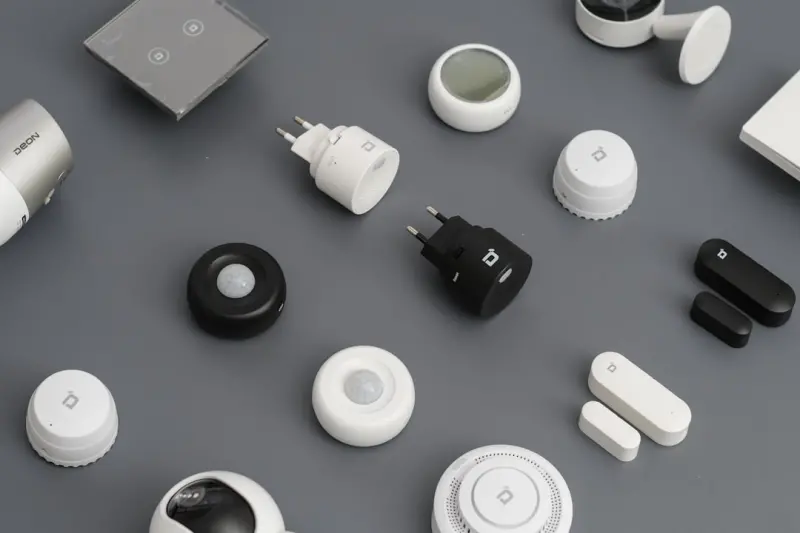
It’s easy to picture a smart home as a futuristic, gadget‑filled playground for tech enthusiasts. In reality, the most impactful devices are often the simplest—think motion‑sensing lights, voice‑activated assistants, and discreet fall‑detection wearables. When these tools work together, they create an ecosystem that not only reduces risk but also enhances quality of life, mental well‑being, and social connection.
Why “Smart” Matters for Seniors
Age‑related changes—slower reaction times, reduced vision, and occasional memory lapses—don’t just affect daily routines; they can turn a familiar hallway into a hazard zone. The smart home model addresses these challenges in three core ways:
- Proactive Prevention: Sensors detect unusual patterns (like a prolonged lack of movement) and alert caregivers before a situation becomes critical.
- Seamless Assistance: Voice‑controlled devices let users call for help, adjust lighting, or play calming music without fumbling for switches.
- Data‑Driven Insight: Integrated platforms collect health‑related data (e.g., sleep quality, activity levels) that can inform medical professionals and family members.
All of this translates into one overarching benefit: the ability to age in place with confidence.
Building the Foundation: Core Devices Every Senior Should Consider
Below is a practical, step‑by‑step guide to creating a senior‑friendly smart home without feeling overwhelmed.
1. Voice Assistants (Amazon Echo, Google Nest, Apple HomePod)
Voice assistants serve as the central hub for many smart home functions. For seniors, the biggest advantage is hands‑free operation. A simple “Hey, Alexa, call my daughter” can replace dialing a phone, which might be difficult for those with arthritic fingers.
When choosing a device, look for:
- Clear, easy‑to‑understand responses
- Compatibility with other devices (lights, locks, thermostats)
- Built‑in emergency features (e.g., Alexa Guard or Google’s “Emergency SOS”)
2. Smart Lighting
Falls are a leading cause of injury among seniors. Motion‑activated lights that turn on automatically as someone walks through a hallway or bathroom can dramatically reduce that risk. Many systems also allow you to set a “night‑mode” with low‑intensity, warm‑colored light that’s easier on the eyes.
Tip: Pair motion sensors with a dimmable smart bulb, and program it to stay on for a set duration (e.g., 30 seconds) after detecting movement.
3. Automated Thermostats
Temperature fluctuations can exacerbate health conditions like arthritis or respiratory issues. Smart thermostats learn daily routines and adjust heating or cooling accordingly. Some models even detect when a home is vacant and conserve energy, helping seniors keep utility bills manageable—a subtle nod to financial health that ties back to smarter budgeting strategies.
4. Smart Locks & Doorbells
Traditional keys can be a nuisance for anyone with limited dexterity. Smart locks let users unlock doors with a keypad code, a smartphone app, or even a voice command. Video doorbells provide visual verification of visitors, reducing the risk of scams—a growing concern for older adults.
5. Fall‑Detection Wearables
While many seniors are hesitant to wear “medical” devices, sleek fall‑detection wearables blend style with safety. These gadgets automatically notify emergency contacts or medical services when they sense a sudden impact followed by immobility.
6. Medication Management Systems
Smart pill dispensers can be programmed to release the correct dosage at specific times, flashing an alert when it’s time to take medication. This reduces the chances of missed or double doses, which is crucial for chronic condition management.
Integrating Health Data: From Sensors to Actionable Insights
One of the most powerful, yet often underutilized, aspects of a senior‑focused smart home is the ability to collect health‑related data and translate it into actionable steps. For instance, a motion sensor that notes a decline in daily steps could prompt a gentle reminder from the voice assistant: “It looks like you’ve been less active today. Would you like to try a short walk?”
This proactive approach mirrors the philosophy behind Guarding the Gut Barrier—anticipating problems before they become serious. By treating data as a preventive tool, seniors can maintain a higher level of autonomy.
Social Connection Through Technology
Isolation is a hidden threat to senior health, often leading to depression, cognitive decline, and weakened immune response. Smart home devices can bridge the gap:
- Video Calling Integration: Many voice assistants now support video calls with a simple command, removing the need for complex apps.
- Shared Media Playlists: Families can create collaborative music playlists that play throughout the home, fostering a sense of togetherness.
- Virtual Community Events: With a smart display, seniors can join live exercise classes, book clubs, or language lessons from the comfort of their living room.
These interactions are not just about entertainment; they provide mental stimulation and emotional support, two pillars of healthy aging.
Safety Nets: When Tech Meets Healthcare
Smart home systems can also serve as a bridge to professional healthcare. Many platforms now allow seamless sharing of data with doctors or home‑care providers. For example, a smart thermostat that logs temperature fluctuations could alert a physician if a senior’s home environment is contributing to respiratory issues.
Additionally, integrating health insurance information—much like the strategies discussed in Turn Your Health Insurance Into a Strategic Business Asset—can help seniors understand which devices are covered under their plans, reducing out‑of‑pocket expenses.
Addressing Common Concerns
Privacy
It’s natural to worry about cameras and microphones “listening” all the time. Most reputable manufacturers provide clear privacy settings, allowing users to disable cameras or mute microphones when desired. Encourage seniors to review privacy policies and adjust settings to match their comfort level.
Complexity
Technology can feel intimidating, especially if you didn’t grow up with smartphones. The key is to start small—install one device, master its functions, then gradually expand. Involve family members or community volunteers for the initial setup and troubleshooting.
Cost
While the upfront price may seem high, consider the long‑term savings: fewer falls, reduced hospital visits, and lower utility bills. Look for bundled packages or senior discounts, and check if your health insurance or Medicare Advantage plan offers coverage for certain devices.
Real‑World Success Stories
Emily, an 82‑year‑old retired teacher from Oregon, shared how a simple motion‑activated night light prevented a near‑fatal fall. “I used to stumble in the dark bathroom, but now the hallway lights turn on automatically. I feel safer, and my grandson jokes that I’ve turned my house into a “high‑tech lighthouse.”
Meanwhile, Raj, a 76‑year‑old widower in Texas, credits his smart speaker with keeping him socially connected. “I can talk to my grandchildren on video without fiddling with a tablet. And when I feel lonely, I ask Alexa to play my favorite jazz playlist. It’s like having a friend who always knows what I need.”
Getting Started: A 30‑Day Smart Home Roadmap
- Week 1 – Assessment: Identify the most pressing safety concerns (e.g., lighting, fall risk, medication). List the devices that address each concern.
- Week 2 – Pilot Device: Purchase a voice assistant and set up a few basic commands (lights on/off, call a contact). Spend time getting comfortable.
- Week 3 – Expand: Add smart lighting to high‑traffic areas and a smart lock to the front door. Test each function thoroughly.
- Week 4 – Integrate Health Tools: Install a fall‑detection wearable and a medication dispenser. Connect them to a shared family portal for alerts.
By the end of the month, you’ll have a functional, safety‑focused smart ecosystem that can be expanded as confidence grows.
Future Horizons: What’s Next for Senior‑Centric Smart Homes?
Looking ahead, the next wave of innovation will likely focus on:
- AI‑Powered Predictive Analytics: Using machine learning to forecast health events before they occur.
- Ambient Health Monitoring: Sensors embedded in flooring or furniture that track heart rate, respiration, and movement.
- Intergenerational Platforms: Systems designed for joint use, fostering collaboration between seniors and younger family members.
These advances promise not only to keep seniors safe but also to enrich their lives with autonomy, connection, and a sense of agency.
Conclusion: Embrace the Smart Home Journey with Confidence
Smart home technology is not a futuristic luxury; it’s an accessible toolbox that can transform everyday living for seniors. By thoughtfully selecting devices, integrating health data, and fostering social connection, older adults can reclaim independence while staying safe and engaged.
If you feel overwhelmed, remember that the journey is incremental. Start with one device, master it, and let the confidence grow. In the words of a dear friend who’s navigated this path: “Technology is only as daunting as we make it—once you see how it can lighten the load, you’ll wonder how you ever lived without it.”

Sarah Gray is a proud Canadian who calls Brampton home, where she lives with her husband, Paul. A passionate home cook and gifted storyteller, Sarah loves creating delicious recipes and sharing stories inspired by everyday life, family, and cherished experiences. When she isn't experimenting in the kitchen, she's busy crafting engaging content that reflects her warmth, creativity, and love of connection. Above all, Sarah treasures time spent with her grandchildren, embracing every opportunity to create lasting memories with the people she loves most.
Related Posts

The Digital Lifeline: How Tech‑Savvy Communities Are Redefining Senior Wellness
Digital neighborhoods are transforming senior health by combining live‑link communities, micro‑m... Read More

Connected Yet Independent: How Tech‑Driven Social Networks Empower Seniors
Discover practical strategies that combine purpose‑driven online groups, voice‑assistant safety ... Read More

Purpose‑Driven Movement: Redefining Senior Health Through Meaningful Activity
Discover how purpose‑driven activities—like crafting, gardening, and intergenerational programsâ... Read More
Top Posts

Micro‑Movements at the Desk: How Tiny Shifts Can Transform Your Physio Health
Learn how tiny, intentional movements integrated into your workday, combined with AI prompts and smart nutrition timing, can prevent pain, enhance recovery, and...Read More

Chrono‑Smart Living: Light, Food, and Breath as Longevity Levers
A practical guide to chrono‑smart living: using sunrise light, timed nutrition, and breathwork to harmonize your circadian rhythm and boost longevity....Read More

From Silent Struggles to Shared Strength: Redefining Support for Eating Disorders
Discover how to transform eating disorder recovery by reshaping environments, leveraging digital data responsibly, and building supportive peer networks for las...Read More

The Hidden Cost of Vaping: Money, Health, and the Planet
A candid look at vaping’s hidden expenses—from wallet‑draining costs and nicotine’s effect on metabolism to the mounting e‑waste problem—and practic...Read More
0 Comments
Post Comment
You will need to Login or Register to comment on this post!