

When you think about the daily grind of a high‑impact professional, the first things that come to mind are meetings, deadlines, and that ever‑present inbox. What rarely makes the cut is a conversation about the silent, rhythmic dance of glucose in your bloodstream and how mastering it can reshape not just your energy levels, but your decision‑making, emotional resilience, and even the way you lead teams.
Why Blood Sugar Deserves a Seat at the Strategy Table
Most executives treat blood sugar like a background metric—something to be monitored by a doctor, not a boardroom strategist. Yet the science is clear: even modest fluctuations in glucose can alter neural pathways responsible for risk assessment, impulse control, and long‑term planning. When you’re navigating a merger, negotiating a contract, or pivoting a product roadmap, those subtle shifts can mean the difference between a calculated move and a costly misstep.
The Hidden Cost of “Normal” Glucose Variability
It’s easy to assume that a “normal” fasting glucose reading (70‑99 mg/dL) guarantees stable performance. The reality is more nuanced. Post‑prandial spikes—those rapid rises after a meal—can linger for up to three hours, during which the brain experiences a temporary surge of insulin. This surge can blunt the prefrontal cortex, the part of the brain that governs executive function, leading to slower problem‑solving and reduced creative output. In a world where every second counts, those hidden dips become hidden costs.
Mapping Your Personal Glucose Landscape
Before you can optimize, you need data. Continuous glucose monitors (CGMs) have moved from niche diabetic care into the mainstream toolbox of performance‑focused individuals. By pairing a CGM with a simple digital diary—tracking meals, stress events, and sleep—you create a personal glucose heat map. Patterns emerge: a certain type of coffee may cause a delayed spike; a brief walk after lunch could smooth the curve; a high‑stress call might trigger a dip even without food intake.
Three Practical Levers to Stabilize Blood Sugar
- Meal Timing Over Meal Size – Shifting the focus from how much you eat to when you eat can smooth glucose peaks. A 2‑hour window for breakfast, lunch, and dinner, with a modest snack 2‑3 hours later, creates predictable insulin responses.
- Fiber‑First Carbohydrates – Pairing carbs with soluble fiber (e.g., oats, beans, berries) slows gastric emptying, turning a sharp glucose rise into a gentle slope.
- Micro‑Movement Breaks – A five‑minute walk, light resistance band set, or even standing desk intervals every 90 minutes can stimulate muscle glucose uptake without compromising workflow.
Beyond Food: Stress, Sleep, and the Glucose Equation
Stress hormones like cortisol can prompt the liver to release stored glucose, creating a “false high” that confuses the body’s feedback loop. Likewise, fragmented sleep reduces insulin sensitivity, making the same meals feel heavier the next day. Addressing these variables isn’t about adding another item to the to‑do list; it’s about redesigning the environment that feeds your brain.
Designing a Blood‑Sugar‑Smart Workspace
Think of your office as a metabolic ecosystem. Natural light, temperature control, and even scent can modulate stress responses. Providing a “glucose hub”—a dedicated space stocked with low‑glycemic snacks, a hydration station, and a quick‑access CGM dashboard—signals to your team that metabolic health is a priority, not a peripheral concern.
In practice, this could mean swapping the traditional candy bowl for a mix of nuts, seeds, and dark chocolate squares, or installing a water‑filtration system that encourages regular sipping. Small tweaks compound, turning a high‑pressure environment into a metabolic ally.
Leveraging Data Without Becoming a Data‑Zombie
Data is powerful, but it can also become a distraction if you obsess over every spike. The goal is to identify actionable trends, not micromanage each minute. Set weekly review windows: pull your CGM graphs, note any outliers, and ask yourself what changed—meal composition, stress level, sleep quality. Then iterate.
When to Call in the Experts
If you notice consistent fasting glucose above 100 mg/dL, frequent post‑prandial spikes over 180 mg/dL, or symptoms like unexplained fatigue, it’s time to consult a healthcare professional. A nuanced approach—combining lifestyle tweaks with medical insight—creates a robust, long‑term strategy.
Connecting the Dots: From Routine Checks to Glucose Mastery
Regular health screenings provide a macro view of your metabolic health, but they rarely capture the day‑to‑day fluctuations that drive performance. By layering routine check‑ups with real‑time glucose monitoring, you create a feedback loop that turns abstract numbers into concrete actions. For a deeper dive on integrating health metrics into a high‑performance routine, explore The Hidden ROI of Routine Health Check‑Ups for High‑Performing Men.
Case Study: A Startup Founder’s Glucose Turnaround
Emma, the co‑founder of a fintech startup, struggled with “brain fog” during product sprints. After adopting a CGM, she discovered that her habit of grabbing a sugary latte mid‑morning was causing a rapid rise followed by a crash. By replacing the latte with a protein‑rich smoothie and adding a 10‑minute walk after lunch, her average glucose variance dropped by 22 %. Within a month, she reported clearer thinking, faster decision cycles, and a more balanced mood during high‑stakes pitches.
Future Trends: Glucose‑Linked Personalization
The next wave of workplace wellness tech will likely integrate glucose data with AI‑driven recommendations—suggesting optimal break times, personalized snack options, and even tailoring meeting schedules to when teams are metabolically primed for deep work. As these platforms mature, the line between health monitoring and performance optimization will blur, offering a holistic view of employee vitality.
Putting It All Together: A 7‑Day Glucose Reset Plan
Ready to test the theory? Here’s a simple, no‑equipment plan to stabilize your blood sugar in a week:
- Day 1‑2: Log every meal and snack, noting time, macronutrients, and stress levels.
- Day 3‑4: Introduce a 30‑minute walk after the largest meal of the day.
- Day 5: Swap refined carbs for fiber‑rich alternatives at lunch.
- Day 6: Implement a 5‑minute breathing exercise before high‑stress meetings.
- Day 7: Review CGM trends, celebrate any variance reductions, and set next‑week goals.
This iterative approach respects the complexity of glucose metabolism while delivering tangible, measurable outcomes.
Conclusion: Glucose as a Leadership Tool
When you treat blood sugar not as a medical footnote but as a strategic lever, you unlock a hidden competitive advantage. Stable glucose fuels clear cognition, steadier emotions, and resilient performance—qualities that define effective leaders. By embracing data, tweaking environment, and nurturing habits, you turn a biological process into a deliberate, high‑impact habit that benefits you, your team, and the bottom line.

Related Posts
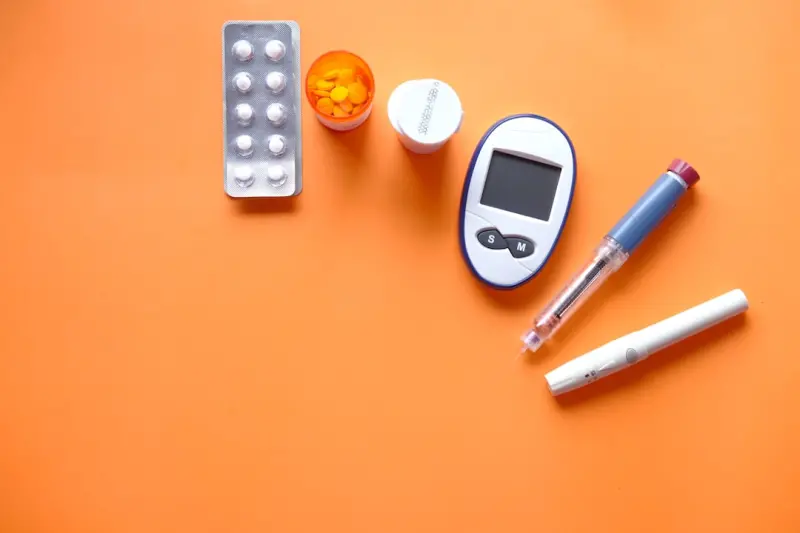
Taste‑Driven Glucose Management: How Flavor Profiles Can Stabilize Your Numbers
Learn how bitter, umami, and acidic flavors—along with mindful textures—can flatten glucose spik... Read More

Seasonal Strategies to Naturally Manage Blood Sugar
Brandy Miller shares a fresh, season‑based approach to blood sugar management, blending local prod... Read More
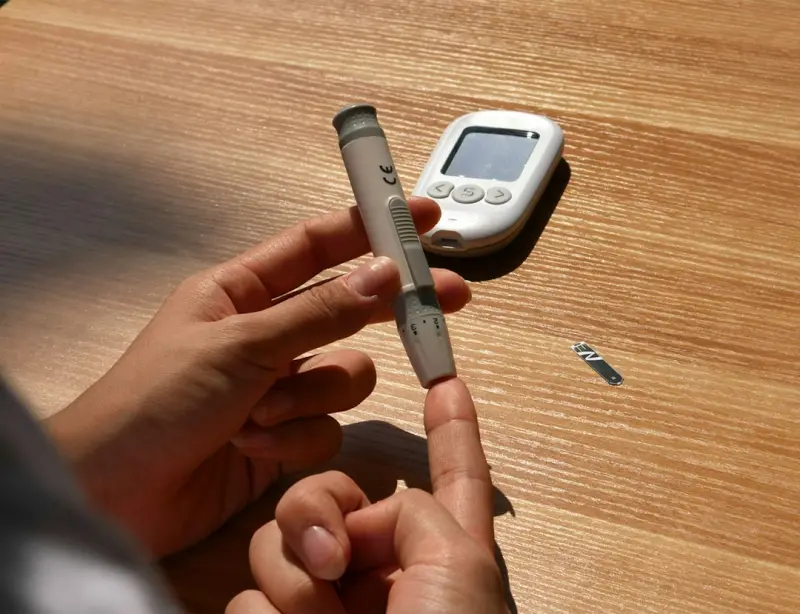
Turning Your Daily Rhythm into a Glucose Guardian: Unconventional Strategies for Steady Blood Sugar
Kelly Reynolds shares a blend of kitchen experiments, body‑clock syncing, sensory cues, and commun... Read More
Top Posts

The Unexpected Power of Journaling for Men’s Health
Journaling isn’t just for creatives—it's a data‑driven habit that reduces stress, sharpens goals, and enhances sleep, offering men a simple yet powerful t...Read More

The Nighttime Reset: Playful Experiments to Transform Insomnia
Treat insomnia as a sandbox for experiments. Track key variables, try low‑effort tweaks like light filters, temperature drops, and micro‑rituals, then itera...Read More
The Hidden Levers of Longevity: A Holistic Playbook for Everyday Vitality
Explore a fresh, science‑backed longevity playbook that blends relationships, daily rhythms, curiosity, and tiny habits to boost lifespan and vitality....Read More

When Rehab Meets Gaming: Virtual Reality’s Transformative Role in Physiotherapy
Virtual reality is turning traditional physiotherapy on its head by providing immersive, data‑rich experiences that boost engagement, deliver real‑time feed...Read More
0 Comments
Post Comment
You will need to Login or Register to comment on this post!