

Curating the Everyday: A Sensory Blueprint for Graceful Aging
When I first stepped into my late‑forties, I realized that “aging” had become a buzzword on every health podcast, in every grocery aisle, and—frankly—in every Instagram caption I scroll past. Yet, the advice often felt like a one‑size‑fits‑all manual, packed with bullet‑pointed supplements and generic exercise regimes. It left me wondering: what if the secret to thriving later in life isn’t a new diet or a new gadget, but the way we deliberately shape our daily senses?
In this piece, I’m pulling back the curtain on a concept I like to call the sensory blueprint—a framework that blends the art of environmental design, the science of timed nutrition, and the subtle power of low‑tech rituals. It’s not a rigid plan; it’s a living, breathing map you can adapt to your own rhythms, personality, and life stage. Below, I’ll walk through the five pillars of this approach, peppered with personal experiments, research highlights, and a few practical steps you can start today.
1. The Power of Sensory Variety: Why “Same Old” Can Age You Faster
Our brains are wired for novelty. Evolutionarily, the ability to notice subtle changes in the environment—different smells, new sounds, shifting textures—meant the difference between finding food and falling prey. Decades of neuroscientific research confirm that varied sensory input fuels neuroplasticity, the brain’s capacity to reorganize itself.
In my own home, I started a simple experiment: each week, I swapped one major sensory element. One week I introduced a citrus diffuser in the kitchen; the next, I replaced my standard office chair with a wobble stool that nudged my core muscles subtly. Within a month, I noticed sharper focus during meetings and a lighter mood after work. The key takeaway? Small, intentional changes can act like micro‑exercises for the brain.
Research from the University of California, Berkeley, shows that exposure to diverse textures—think crunchy vegetables, silky soups, or even varied fabric feels—can improve the brain’s “sensory integration” pathways, which decline with age. By intentionally diversifying what we see, hear, taste, smell, and touch, we give those pathways a daily workout.
2. Designing a Day That Feels Fresh: Rhythm Over Routine
We love routines because they provide predictability, but too much predictability can lull the nervous system into a low‑energy state. Think of a day as a musical composition: verses (focused work), bridges (movement breaks), and choruses (moments of joy). By weaving subtle shifts into each segment, we keep our autonomic nervous system engaged.
- Morning “Contrast”: Start with bright, cool light (open curtains, blue‑light‑free screens) and a crisp, high‑protein breakfast. Then, after an hour, transition to a warmer amber light and a light, fruit‑based snack.
- Midday “Swap”: If you normally sit at a desk, try a standing desk for 20 minutes, then a walking meeting outdoors. The change in posture and environment spikes circulation and resets mental fatigue.
- Evening “Wind‑Down”: Dim lights, switch to calming scents like lavender or sandalwood, and swap screen time for tactile hobbies—knitting, pottery, or a simple paper‑folding exercise.
These micro‑shifts are not about overhauling your schedule; they’re about sprinkling moments of contrast that keep the nervous system agile. Over time, you’ll notice a smoother transition between high‑energy and restorative phases, reducing the “mid‑day slump” that many attribute to aging.
3. Micro‑Habits That Keep the Brain Agile
While the term “micro‑habits” might echo one of our recent posts, the focus here is on brain‑centric actions rather than physical longevity alone. Here are three tiny practices that have yielded measurable cognitive benefits for me:
- Five‑Minute “Sensory Scan”: At the start of each hour, pause. Identify three things you see, two sounds you hear, and one texture you feel. This mindfulness‑plus‑sensory exercise anchors you in the present and trains attention.
- Dual‑Noodle Language Play: Pick a short phrase in a foreign language and pair it with a physical motion (e.g., “Bonjour” + a gentle shoulder roll). The brain processes language and motor patterns simultaneously, strengthening cross‑modal pathways.
- Flavor‑Memory Pairing: Link a new piece of information with a distinct flavor. When you later sip that flavor (like a splash of grapefruit juice), the memory resurfaces more vividly. This leverages the brain’s strong tie between taste and memory.
These practices can be slotted into any schedule—while waiting for coffee to brew, during a commute, or even between Zoom calls. The goal is consistency, not intensity.
4. Food Timing as a Brain Reset (A Nod to Chrononutrition)
Our bodies run on circadian rhythms, and recent research highlights how aligning meals with these internal clocks can boost cognition, mood, and metabolic health. If you’re curious about the science behind this, I recommend checking out Chrononutrition: Eating with Your Body Clock to Extend Vitality. Below, I’ll distill the most actionable insights.
Early‑Day Protein: Consuming a protein‑rich breakfast (eggs, Greek yogurt, nuts) supports neurotransmitter production, which enhances alertness and memory formation. Aim for 20‑30 g within the first hour of waking.
Mid‑Afternoon Light Carbs: A modest serving of complex carbs (sweet potatoes, quinoa) around 2 p.m. fuels the brain’s glucose needs without spiking insulin. Pair it with a source of healthy fat for steady energy.
Evening “Digest‑Light” Meal: Keep dinner low in protein and high in easily digestible vegetables. This reduces the overnight metabolic load, allowing the brain to focus on repair and memory consolidation during sleep.
When I shifted my dinner from a steak‑heavy plate to a colorful, vegetable‑centric bowl, I found that my sleep quality improved, and I woke feeling mentally sharper. It’s a subtle change with outsized impact.
5. Tech as a Gentle Companion, Not a Dominator
We’re living in an era where wearable devices, AI assistants, and immersive screens promise to “optimize” every facet of health. While there’s undeniable value, the healthiest approach is to treat technology as a supportive sidekick—not the lead actor.
For instance, a simple step‑counter can remind you to move after prolonged sitting, but it should never dictate your entire activity plan. I’ve found success by setting “movement alerts” at random intervals—10‑minute walks, stretch series, or a brief dance‑break—rather than a rigid step goal.
Similarly, smart lighting that mimics natural sunrise and sunset can help align your circadian rhythm, especially in winter months. The key is to choose tools that blend seamlessly into your environment, enhancing the sensory blueprint rather than overwhelming it.
6. Community as the Glue: Shared Sensory Experiences
Human beings are inherently social creatures. Shared sensory experiences—like cooking a meal together, attending a live music session, or participating in a community garden—create neurochemical bonds that boost dopamine and oxytocin. These hormones are crucial for mood regulation and neuroprotection.
I recently joined a neighborhood “Story‑Swap” circle, where each participant brings a favorite scent (a spice, a flower, a candle) and tells a memory associated with it. The session sparked laughter, tears, and a deeper sense of connection. It reminded me that aging gracefully isn’t just about personal habits; it’s also about nurturing relationships that stimulate our senses.
Putting It All Together: Your First 30‑Day Blueprint
Here’s a practical roadmap to integrate the sensory blueprint into your life over the next month:
- Week 1 – Sensory Audit: Keep a journal of the dominant senses in each part of your day (e.g., “Morning: bright light, coffee aroma”). Identify one area that feels monotonous.
- Week 2 – Introduce Contrast: Swap that monotony with a new sensory element (new tea, a different walking route, a textured pillow).
- Week 3 – Micro‑Habit Integration: Add the five‑minute sensory scan at the top of each hour. Pair it with a flavor‑memory exercise once daily.
- Week 4 – Food Timing Reset: Align breakfast, lunch, and dinner with the timing guidelines above. Track sleep quality and morning alertness.
At the end of 30 days, reflect on changes in mood, focus, and physical energy. Most people report a noticeable lift in mental clarity and a renewed curiosity about the world around them.
Healthy aging isn’t a destination; it’s a continuous, creative process of curating our environments, habits, and relationships. By honoring the five pillars of the sensory blueprint—variety, rhythm, micro‑habits, timed nutrition, mindful tech, and community—you equip yourself with a resilient, joyful toolkit for the decades ahead.
And remember, you don’t have to reinvent everything at once. Start small, stay curious, and let your senses guide you toward a richer, more vibrant life.

Jessica Hall is a dynamic freelance writer based in the vibrant city of London, Ontario. As a dedicated single mom, she expertly juggles the demands of parenthood with her passion for storytelling, crafting compelling narratives that resonate with readers. With a background in retail, Jessica brings a unique perspective to her writing, infusing her work with insights drawn from her experiences
Related Posts

Touch, Talk, and Thrive: How Human Connection Fuels Healthy Aging
This article explores the science behind social connection as a powerful anti‑aging tool, offering... Read More

Embracing Healthy Aging in 2026: A Holistic Playbook for Longevity
A personal, holistic roadmap for thriving in later years—covering nutrition, exercise, sleep, mind... Read More
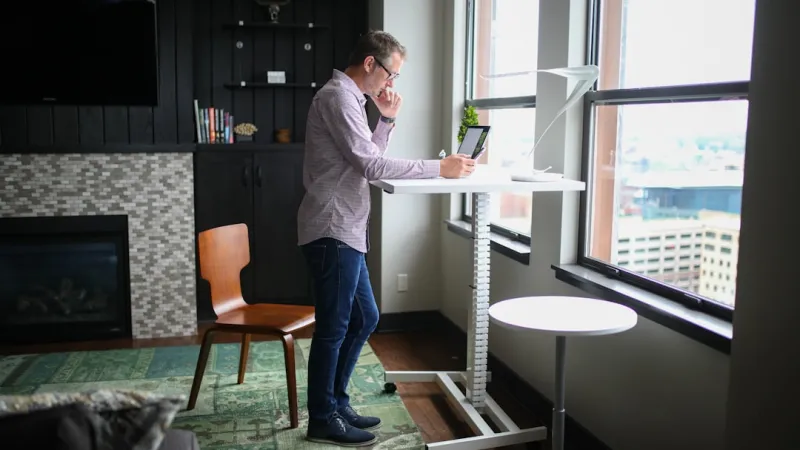
Healthy Aging from My Desk: Tom Ferguson’s Holistic Blueprint for a Vibrant Future
Tom Ferguson shares his personal, holistic roadmap to healthy aging, covering movement, nutrition, s... Read More
Top Posts

Sleep Apnea: The Unseen Productivity Threat and How to Turn It Into an Executive Advantage
Sleep apnea isn’t just a nighttime nuisance—it’s a covert productivity killer. This article reveals the hidden costs, data‑driven detection methods, sma...Read More

Beyond the Gym: How Time-Restricted Eating Reinvents Men’s Energy and Longevity
Time-restricted eating aligns meals with the body’s natural clock, enhancing testosterone, mental clarity, and fat loss. This guide shows men how to start, av...Read More

Reclaiming Male Vitality: A Holistic Roadmap Beyond the Gym
A personal guide to elevating male vitality by integrating nutrition, purposeful movement, stress mastery, and restorative habits—crafted from real‑world ex...Read More

Playful Curiosity: A Surprising Longevity Hack
Explore a fresh longevity strategy: using everyday play and curiosity to trigger neurochemical benefits, strengthen social bonds, and extend lifespan....Read More
0 Comments
Post Comment
You will need to Login or Register to comment on this post!