
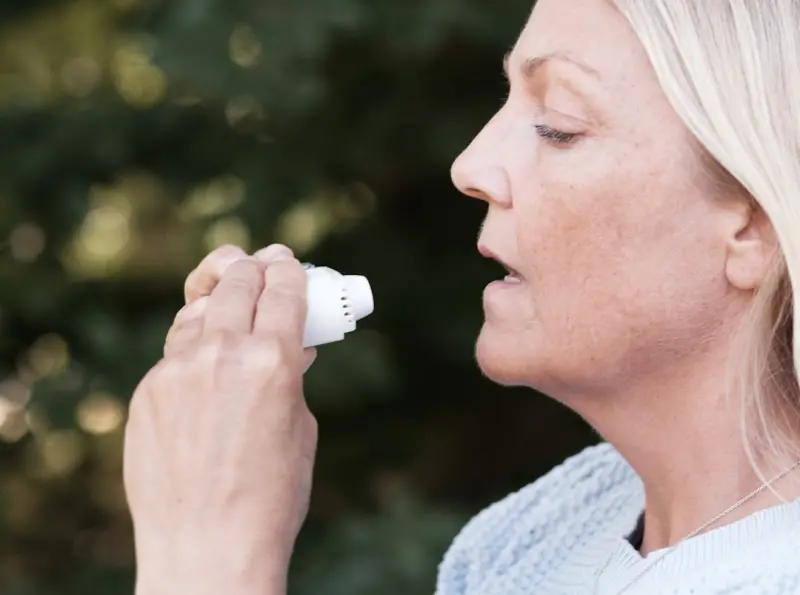
Why My Breath Became My First Line of Defense
When I first started mapping out my personal detox routine, I was obsessively counting greens, timing my fasts, and hunting the “perfect” cleanse juice. It felt like every new trend promised a quicker, cleaner reset for my cells. Yet, after months of chugging greens and still feeling foggy, I realized I was overlooking the most fundamental exchange we have with the world: the air we inhale and exhale.
It wasn’t a sudden epiphany—rather a quiet moment in my office, watching a colleague practice a simple breathing exercise during a hectic conference call. The calm that washed over her sparked a question: What if the act of breathing, when done intentionally, could become a powerful detox tool? The answer turned out to be a blend of ancient practices, cutting‑edge research, and a few practical tweaks that anyone can adopt.
The Science Behind Respiratory Detox
Our lungs are more than just oxygen exchangers; they’re frontline filters that trap particles, chemicals, and pathogens before they enter the bloodstream. Every breath pulls in microscopic invaders—volatile organic compounds (VOCs) from paints, formaldehyde from furniture, and even micro‑plastics floating in indoor air. While the body’s natural mucous membranes and cilia work overtime to clear these, chronic exposure can overload the system, leading to systemic inflammation, oxidative stress, and a subtle, persistent “body fog.”
Recent studies have highlighted a phenomenon called pulmonary clearance enhancement, where specific breathing patterns stimulate the lymphatic system and accelerate the removal of toxins stored in the interstitial fluid. In essence, mindful breath work can act as a “mechanical pump,” nudging the body’s own detox pathways into higher gear.
Three Breath Techniques That Supercharge Your Detox
- Box Breathing (4‑4‑4‑4): Inhale for four seconds, hold for four, exhale for four, and hold again for four. This rhythmic pattern balances the autonomic nervous system, reduces cortisol, and improves the efficiency of alveolar gas exchange.
- Ujjayi (Victorious Breath): Slightly constrict the throat while breathing, creating a gentle hissing sound. This gentle resistance increases carbon dioxide tolerance, encouraging deeper diaphragmatic movement and enhancing detoxification via the liver’s enzymatic pathways.
- Alternate Nostril Breathing (Nadi Shodhana): Close one nostril, inhale through the other, switch, and exhale. This practice not only balances hemispheric brain activity but also improves nasal filtration, reducing the load of airborne pollutants reaching the lower respiratory tract.
In my own routine, I start each morning with five minutes of box breathing, followed by three rounds of Ujjayi during my coffee break. The result? A noticeable clarity that lasts through my most demanding client meetings.
Optimizing Your Environment for Respiratory Cleanliness
Breath work alone isn’t enough if you’re inhaling a constant stream of toxins. Here’s how to create a “clean air sanctuary” in both home and office:
- Introduce Plants with Proven Air‑Purifying Power: Species like Chlorophytum comosum (spider plant), Sansevieria trifasciata (snake plant), and Peace Lily have been shown to absorb formaldehyde, benzene, and xylene.
- Upgrade to HEPA Filtration: Portable HEPA air purifiers capture particles as small as 0.3 microns, effectively removing dust, pollen, and many airborne microbes.
- Control Humidity: Aim for a 40‑60% relative humidity range. Too dry, and mucous membranes become irritated; too humid, and mold spores thrive.
- Ventilate Wisely: Open windows for 10‑15 minutes at least twice a day, especially after cooking or cleaning with chemical agents.
- Reduce Synthetic Fragrances: Many air fresheners release phthalates, which can burden the liver and disrupt endocrine function. Opt for natural essential oil diffusers sparingly.
Implementing even a couple of these changes can dramatically lower the toxin load your lungs encounter, making each breath a cleaner, more restorative experience.
Connecting Breath to Whole‑Body Detox Pathways
One of the most exciting discoveries I’ve made is how intentional breathing synergizes with other detox systems, especially the liver. When we practice deep diaphragmatic breaths, we stimulate the vagus nerve, which in turn promotes bile flow and supports hepatic detoxification. If you’re curious about how a resilient liver can amplify your overall stamina, take a look at How a Resilient Liver Fuels Modern Professional Stamina for deeper insights.
Moreover, the increased oxygenation from breath work fuels mitochondrial efficiency, allowing cells to burn off lingering metabolic by‑products more effectively. This creates a virtuous cycle: cleaner cells = less oxidative stress = better breathing capacity, and so on.
Integrating Respiratory Detox into a Busy Schedule
We all wear the badge of “always on” in today’s fast‑paced professional world. The good news? You don’t need a dedicated hour to reap the benefits.
- Micro‑Breath Sessions: Set a timer for 60 seconds during transitions—between meetings, after a phone call, or before a presentation. Perform a single round of box breathing.
- Walking Meetings with Breath Focus: As you stroll, sync your steps with a 3‑second inhale, 3‑second exhale pattern. This naturally encourages diaphragmatic breathing.
- Desk‑Top Diffuser & Guided Audio: Pair a gentle essential oil mist (like eucalyptus) with a 5‑minute guided breath meditation available on most wellness apps.
These micro‑practices embed detox into the fabric of your day without feeling like a chore.
Beyond the Breath: Sensory‑Driven Detox
While breath is the gateway, pairing it with other sensory cues can deepen the detox experience. For example, sipping warm lemon‑ginger tea while practicing Ujjayi breath not only soothes the throat but also supports hepatic pathways through the citrus flavonoids. If you’re interested in how sensory experiences amplify detox, check out Beyond the Juice: The Science of Sensory‑Driven Body Detox for a complementary perspective.
Measuring the Impact: Simple Metrics to Track
Detox isn’t just a feeling; it’s quantifiable. Here are three low‑effort ways to gauge progress:
- Resting Heart Rate (RHR): A lowered RHR often indicates improved cardiovascular efficiency, a downstream benefit of better oxygen utilization.
- Sleep Quality: Use a sleep tracker to note any reductions in nighttime awakenings; cleaner air typically reduces respiratory disruptions.
- Energy Levels: Keep a brief journal noting moments of “brain fog” versus clear focus. Over weeks, you’ll likely see a trend toward sustained mental clarity.
When I started tracking these metrics, my RHR dropped by four beats per minute within three weeks, and I reported fewer mid‑day energy crashes.
Common Misconceptions and How to Avoid Pitfalls
Myth 1: “If I wear a mask, I’m detoxed.” Masks filter larger particles but do little for VOCs or gases. They’re excellent for infection control, not for comprehensive air detox.
Myth 2: “More breathing is always better.” Hyperventilation can actually increase oxidative stress. Stick to the structured patterns outlined above.
Myth 3: “Only indoor air matters.” Outdoor pollutants like ozone and pollen can be equally harmful. Apply the same ventilation and filtration principles outdoors—choose less trafficked routes for walks and consider a portable air filter for your car.
Putting It All Together: A 7‑Day Respiratory Detox Blueprint
Below is a starter plan you can adapt to your lifestyle. It blends breath work, environmental tweaks, and supportive habits.
| Day | Morning | Midday | Evening |
|---|---|---|---|
| 1 | 5‑min box breathing + open windows 10 min | Take a 2‑min alternate nostril break after lunch | Ujjayi while sipping herbal tea |
| 2 | Walk to work, synchronize breath with steps | Place a spider plant on desk | 5‑min guided breath meditation |
| 3 | Box breathing + humidifier set to 45% | HEPA filter on office air purifier | Alternate nostril before dinner |
| 4 | Ujjayi while journaling | Air‑out the office after a meeting | Box breathing before bedtime |
| 5 | Morning walk with breath focus | Replace synthetic air freshener with citrus essential oil | Alternate nostril + gratitude note |
| 6 | Box breathing + check RHR | Take a short “breath break” after any screen‑heavy task | Ujjayi while reading |
| 7 | Reflect on metrics, adjust routine | Plan next week’s breath integration | Deep diaphragmatic breathing, 5 min |
After the first week, you’ll likely notice a shift—less reliance on caffeine, steadier focus, and a subtle but persistent sense of lightness. The key is consistency; the body’s detox pathways respond best to regular, gentle stimulation.
Conclusion: Breath as the Ultimate Lifestyle Lever
In a world that constantly pushes us toward external solutions—specialty supplements, high‑tech gadgets, and elaborate cleanse protocols—the most effective detox tool may already be inside us, waiting for conscious use. By honoring the breath, cleaning the air we share, and syncing these practices with daily rhythms, we can unlock a sustainable, low‑maintenance pathway to whole‑body renewal.
So next time you feel the urge to chase the latest detox trend, pause, inhale deeply, and consider: what could a few intentional breaths do for the whole you?

Kelly Reynolds is a dynamic freelance writer hailing from the picturesque landscapes of Alberta. A master of the written word, she juggles her passion for storytelling with the exhilarating chaos of being a mother to five spirited children. With an impressive portfolio that spans various genres, Kelly captivates readers through her engaging blog posts and thought-provoking articles.
Related Posts

Cellular Cleansing Strategies for High‑Performers
Discover a pragmatic detox plan that combines timed eating, micro‑HIIT bursts, and workspace tweak... Read More

Sweat, Breath & Skin: Unlock Hidden Body Detox
Explore a fresh detox approach using walking, targeted breathing, contrast showers, and dry brushing... Read More

Seasonal Food Swaps: A Fresh Path to Deep Body Detox
Learn how swapping foods with each season fuels liver enzymes, diversifies the gut microbiome, and c... Read More
Top Posts

Beyond the Scale: How Immersive Tech Is Rewriting Eating Disorder Recovery
This article dives into the cutting‑edge role of virtual reality, neurofeedback, and data‑driven tools in treating eating disorders, showing how immersive t...Read More

From Warning to Workshop: Redesigning Your Daily Routine to Reverse Prediabetes
The post reframes prediabetes as a design sprint, offering a step‑by‑step framework that uses data tracking, habit‑stacking, and community accountability ...Read More
Mastering Blood Sugar: A Conversational Approach to Glucose Stability
Learn how to treat your blood sugar like a conversation partner, using food pairing, breathwork, micro‑movement, and CGM insights to achieve steady glucose le...Read More

Paula Wright’s Holistic Blueprint for a Sharper, Healthier Brain
Paula Wright shares her holistic roadmap to sharper thinking, blending blood pressure control, liver wellness, nutrient‑dense foods, movement, sleep hygiene, ...Read More
0 Comments
Post Comment
You will need to Login or Register to comment on this post!