
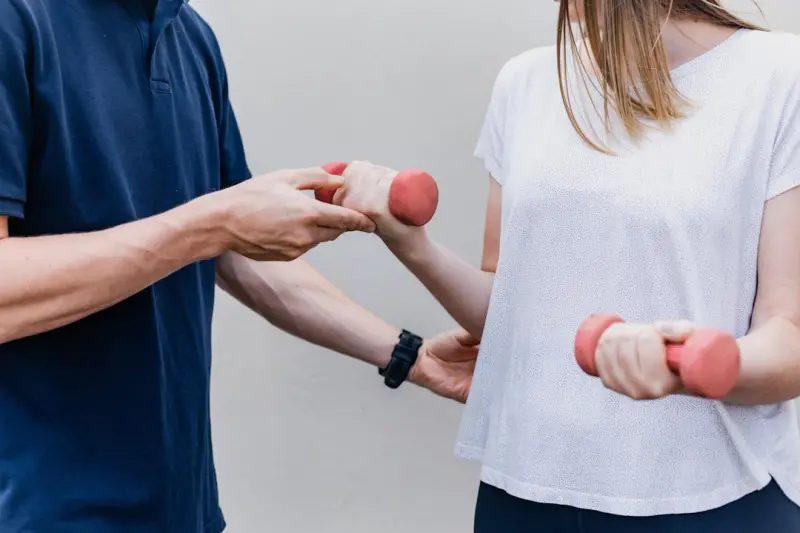
When the office transformed from a cubicle‑filled floor to a living‑room desk, I watched my clients trade commuting stress for a new, stealthy opponent: endless sitting. As a physiotherapist who thrives on motion, I felt compelled to redesign my practice for a world where the clinic is a click away and the treatment plan lives on a kitchen table. This shift isn’t just logistical—it demands a fresh mindset that treats everyday ergonomics as an extension of therapeutic care, turning ordinary moments into intentional healing opportunities.
Why Sitting Is a Silent Saboteur
Prolonged static posture does more than tighten hips; it rewires neural pathways, diminishes circulation, and accelerates wear on the lumbar discs, often without the client ever noticing the damage. Studies reveal that the average office worker spends over 10 hours seated each day, a figure that correlates with a 30% increase in lower‑back pain reports. The insidious nature of this “sitting disease” lies in its gradual onset—muscles become deconditioned, joint ranges shrink, and the body’s natural pain‑modulating systems grow less efficient, setting the stage for chronic discomfort that could have been prevented with a few strategic moves.
Micro‑Break Blueprint
To counteract the hidden toll of sitting, I prescribe a simple yet powerful 5‑5‑5 protocol: every five minutes, stand for five seconds, move for five more seconds, then resume work. This rhythm breaks the static cycle without sacrificing productivity, and it’s grounded in evidence that brief, frequent activity restores blood flow and re‑engages dormant muscle fibers. Implementing the protocol becomes effortless when you embed it into existing habits, such as standing to answer a call or stretching while waiting for a document to load.
- Set a timer or use a phone app to remind you every five minutes.
- Stand tall, roll your shoulders back, and take a deep breath.
- Perform a quick hip hinge, calf raise, or wrist stretch for five seconds.
Therapeutic Movement Integrated Into Workflows
Beyond micro‑breaks, I coach clients to weave therapeutic movements into the fabric of their day. A standing phone call becomes a perfect cue for a gentle spinal rotation; a coffee refill trip doubles as a calf‑strengthening calf raise sequence. By pairing functional tasks with targeted exercises, the body receives consistent, low‑impact stimulation that maintains flexibility and strength without feeling like an additional chore. This approach respects the modern worker’s time constraints while delivering the cumulative benefits of a traditional physiotherapy session.
Technology as the New Treatment Ally
Virtual consultations, motion‑capture apps, and wearable sensors have become indispensable tools in my remote toolkit. A client can record a simple squat or shoulder flexion, upload the video, and receive real‑time feedback that mirrors an in‑clinic correction. Wearables track posture deviations, prompting gentle reminders to sit tall or engage the core. These digital allies democratize access to expert guidance, ensuring that even when the therapist is miles away, the corrective loop remains closed and effective.
A Real‑World Success Story
Take Maya, a freelance graphic designer who struggled with chronic neck tension after months of Zoom meetings. After a brief virtual assessment, we introduced a customized “Desk‑to‑Desk” routine: a series of chin‑tucks, scapular squeezes, and thoracic extensions performed during screen transitions. Within three weeks, Maya reported a 70% reduction in pain and noted improved focus during creative sessions. Her story illustrates how personalized, micro‑dosed interventions can transform discomfort into confidence, reinforcing the idea that physiotherapy is not confined to a treatment table but lives in the rhythms of daily life.
Building a Home‑Friendly Therapy Toolkit
Equipping your workspace with simple, low‑cost tools amplifies the effectiveness of remote physiotherapy. A medium‑density foam roller softens tight fascia, a set of resistance bands offers scalable strength training, and a lumbar roll supports natural spinal curves during long typing sessions. When you combine these tools with the principles outlined in Playful Movement and Habit Architecture, you create a dynamic environment where movement feels natural rather than forced. The key is consistency—using the kit for just five minutes a few times a day can yield measurable improvements in mobility and pain levels.
Looking Ahead: A Culture of Movement‑First Workplaces
As we continue to navigate a hybrid work landscape, the responsibility for musculoskeletal health increasingly shifts from the clinic to the individual. By embracing micro‑breaks, integrating therapeutic movement into routine tasks, and leveraging technology, we can cultivate a culture where the body’s resilience is built daily, not just during scheduled appointments. I invite you to experiment with the strategies shared here, share your experiences, and join the conversation on how we can collectively redefine the modern workspace as a hub of health, not a silent source of strain. For further inspiration, explore how everyday systems shape muscle gains in Beyond the Gym.

Becky Putman is an Ottawa-based freelance writer and marketing professional with a passion for storytelling, animals, and community involvement. She enjoys creating engaging content that informs, inspires, and connects with readers.
Related Posts
The Next Wave of Physiotherapy: How Holistic Care Is Redefining Recovery
Explore how modern physiotherapy merges holistic health, wearable tech, and personalized movement pl... Read More
Tech‑Infused Physiotherapy: How Wearables, AI, and VR Are Redefining Recovery
Explore the future of physiotherapy with wearables, AI analysis, and VR rehab, and learn practical s... Read More
Reimagining the Home Office: A Physiotherapist’s Playbook for Movement‑Rich Workdays
Learn how to integrate physiotherapy‑backed micro‑bites, dynamic stretches, ergonomic tweaks, an... Read More
Top Posts

The Age‑Defying Power of Everyday Curiosity
Curiosity isn’t just a mental pastime; it’s a neuro‑biological catalyst that supports cognitive, physical, and social health, making it a potent yet affor...Read More
Cold Exposure: Unlocking Hidden Power for the Modern Man
Cold exposure triggers hormonal boosts, faster recovery, and mental resilience. Learn practical steps to integrate ice baths and cold showers into a modern manâ...Read More
Walking Meetings: The Hidden Catalyst for Healthier Bodies and Sharper Minds
Walking meetings turn ordinary agendas into kinetic health boosters, enhancing cardiovascular health, cognitive function, and team cohesion—all backed by simp...Read More

The Quiet Revolution: How Intentional Silence Fuels Longevity
Intentional silence isn’t just a mental break—it’s a powerful longevity tool. Learn the science behind quiet moments, practical routines, and how pairing ...Read More
0 Comments
Post Comment
You will need to Login or Register to comment on this post!