

Reimagining Recovery: The Art‑Infused Physiotherapy Revolution
When I first stepped onto the clinic floor, the sterile clang of equipment felt like a reminder that healing is often a mechanical process, yet my patients whispered a different story through their smiles, their sighs, and the subtle sway of their bodies. Physiotherapy, at its core, is a dialogue between nerves, muscles, and the brain, and the language we choose to speak can either tighten the conversation or open new doors of perception. Over the past few years I’ve watched a quiet surge of therapists swapping static stretches for rhythmic beats, inviting paintbrushes into treatment rooms, and encouraging improvisational movement as a diagnostic tool. This artistic infusion doesn’t replace evidence‑based practice; it amplifies it, turning each session into a multisensory laboratory where neuroplasticity is coaxed by melody, color, and kinetic storytelling. In this piece I’ll walk you through the why, the how, and the tangible outcomes of blending creative arts with physiotherapy, offering a fresh lens that many clinicians have yet to explore.
The Neuroscience Behind Musical Momentum
Decades of research reveal that rhythmic auditory stimulation can synchronize neural firing patterns, effectively “prime” the motor cortex for smoother execution of movement, a phenomenon known as entrainment. When a patient moves to a steady beat, the brain’s timing circuits engage, reducing reaction latency and enhancing proprioceptive feedback, which is especially beneficial for individuals recovering from stroke or orthopedic surgery. Moreover, music activates the limbic system, releasing dopamine and endorphins that mitigate pain perception, creating a more receptive environment for therapeutic loading. By integrating playlists calibrated to a patient’s preferred tempo—often between 80 and 120 beats per minute—clinicians can harness this biochemical boost without adding extra equipment. I’ve observed patients who once dreaded the “first step” after knee replacement eagerly tap their feet, reporting lower pain scores and quicker gains in range of motion, underscoring how a simple auditory cue can become a powerful catalyst for neural re‑education.
Dance as Dynamic Rehabilitation
While traditional physiotherapy relies on isolated joint exercises, dance invites the body to explore coordinated patterns across multiple planes, fostering functional strength that mirrors real‑world demands. Structured improvisation, for instance, encourages patients to discover comfortable movement pathways, revealing compensatory habits that might otherwise remain hidden. In a recent program I led, we paired low‑impact salsa steps with balance drills, allowing participants with chronic low back pain to rebuild core stability while enjoying a socially engaging atmosphere. The kinetic variety of dance also stimulates vestibular input, sharpening balance and spatial orientation—key components for fall prevention in older adults. Importantly, the joyous context reduces the emotional weight of “rehab,” transforming sessions from chores to celebrations, which in turn improves adherence and long‑term outcomes.
Visual Arts: Painting the Path to Proprioception
Proprioception—the body’s innate sense of position—can feel abstract, but visual cues turn it into something tangible. By introducing color‑coded movement charts or encouraging patients to trace large‑scale patterns on floor mats, we provide external reference points that the brain can lock onto, sharpening kinesthetic awareness. Some clinics have experimented with “movement murals,” where patients use their limbs to paint strokes on oversized canvases, translating range of motion into vivid brushwork. This not only offers immediate visual feedback but also taps into creative expression, reducing anxiety that often accompanies post‑injury therapy. The act of creating art while moving engages the prefrontal cortex, fostering mindfulness and reinforcing the mind‑body connection that underpins successful rehabilitation.
Practical Integration: Tools and Tips for the Busy Clinician
Incorporating arts into a packed schedule might seem daunting, but a few low‑cost strategies can make the transition seamless. Start by curating a modest playlist that aligns with the tempo of common therapeutic exercises; platforms like Spotify allow you to share collaborative lists with patients, turning music selection into a shared ritual. For dance, allocate a five‑minute “movement warm‑up” at the beginning of each session, using simple steps that can be modified for any ability level. Visual arts require minimal supplies—large paper rolls, washable markers, and floor‑safe paints are enough to set the stage. Encourage patients to keep a “movement journal” where they sketch or note sensations after each session, fostering reflective practice. Over time, these micro‑additions compound, creating a richer therapeutic environment without sacrificing efficiency.
Case Study: From Stiff Shoulder to Fluid Expression
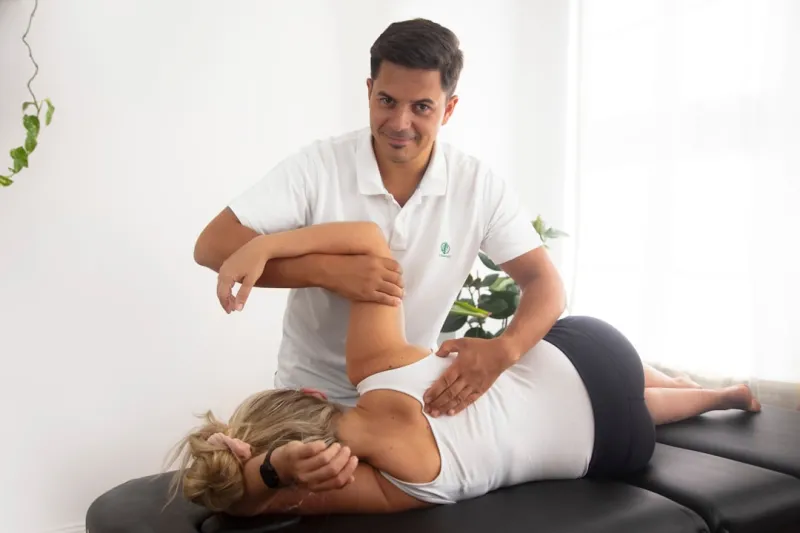
Emily, a 34‑year‑old graphic designer, presented with adhesive capsulitis after a car accident, describing her shoulder as “locked in concrete.” Traditional stretching yielded modest gains, but she remained frustrated, fearing permanent loss of mobility. Introducing a weekly “art‑movement” class, we paired gentle pendulum stretches with a guided watercolor exercise, prompting her to paint arcs that mirrored her shoulder’s range. The visual representation of motion gave Emily a concrete goal, while the calming act of painting reduced her stress hormones. Within six weeks, her external rotation improved by 25 degrees, and she reported a newfound confidence to resume her freelance illustrations—proof that artistic engagement can accelerate both physical and psychological recovery.
Empowering Patients Through Creative Ownership
One of the most profound shifts I’ve witnessed is the transition from passive recipient to active co‑creator of the healing journey. When patients choose the music that fuels their reps or select the colors that define their movement canvas, they reclaim agency, a vital component often diminished after injury. This sense of ownership translates into higher attendance rates and more diligent home‑program adherence. Moreover, the communal aspect of group art‑based sessions builds social support networks, which research links to faster functional recovery and reduced depressive symptoms. In my practice, I now allocate time for “patient‑led playlists” and encourage individuals to share their artistic outputs, fostering a community of encouragement that extends beyond the clinic walls.
Synergizing Nutrition Timing with Creative Rehab
While the body moves, it also fuels, and aligning nutrition with activity can magnify the benefits of an arts‑infused regimen. Timing meals to support muscle protein synthesis—typically within a two‑hour window post‑exercise—optimizes recovery, especially when sessions involve higher intensity dance or prolonged movement painting. For readers interested in deeper strategies, I recommend exploring the insights from Align Your Meals with Your Body Clock for Peak Health, which outlines how circadian‑aware eating can enhance tissue repair and energy availability. By pairing a balanced post‑session snack rich in leucine and antioxidants with the emotional uplift of creative therapy, patients experience a holistic boost that accelerates functional gains.
Looking Ahead: A Call to Action for the Physiotherapy Community
The future of rehabilitation lies in breaking down silos, inviting interdisciplinary collaboration, and daring to experiment beyond conventional protocols. If you’ve ever felt the monotony of repetitive exercise prescriptions, consider borrowing a page from the “Micro‑Break Mastery” playbook: integrate short, purposeful artistic interludes throughout the day to keep neural pathways vibrant and patients engaged. Start small—perhaps a ten‑minute rhythmic warm‑up or a splash of color on a foam board—and watch the ripple effect on motivation, pain perception, and functional outcomes. By championing creativity as a therapeutic ally, we not only enrich our practice but also honor the innate human drive to express, explore, and heal.

Kelly Reynolds is a dynamic freelance writer hailing from the picturesque landscapes of Alberta. A master of the written word, she juggles her passion for storytelling with the exhilarating chaos of being a mother to five spirited children. With an impressive portfolio that spans various genres, Kelly captivates readers through her engaging blog posts and thought-provoking articles.
Related Posts
Holistic Physiotherapy: Healing the Body, Mind, and Lifestyle
Explore the power of holistic physiotherapy, where mindful movement, breath, nutrition, and lifestyl... Read More

Micro‑Movements at the Desk: A Physiotherapist’s Guide
Kelly Reynolds shares a practical, evidence‑based approach to integrating micro‑movements into d... Read More
The Intersection of Physiotherapy and Chronic Health Conditions: A Holistic Approach
As a physiotherapist, I've seen the impact of chronic health conditions on quality of life. Learn ho... Read More
Top Posts

Nourishing the Remote Brain: Nutrition Strategies for Distributed Teams
Remote work reshapes how we eat, but intentional nutrition can turn the “snack‑at‑desk” habit into a productivity boost. This guide offers data‑driven...Read More

Vape Lounges as Modern Commons: Rethinking Social Interaction in a Cloudy World
Vape lounges are transforming from solitary nicotine spots into vibrant community hubs, where design, shared rituals, and sustainable practices foster creativit...Read More

When Sleep Apnea Sneaks Into the Boardroom: A Wake‑Up Call
Untreated sleep apnea silently undermines executive performance, leading to reduced focus, poor decisions, and higher health costs. This article reveals the bus...Read More

Rewriting the Cancer Narrative: How Storytelling Fuels Healing and Hope
Discover why crafting and sharing personal narratives can lower stress, enhance immunity, and reshape the cancer experience, offering a powerful, community‑dr...Read More
0 Comments
Post Comment
You will need to Login or Register to comment on this post!