
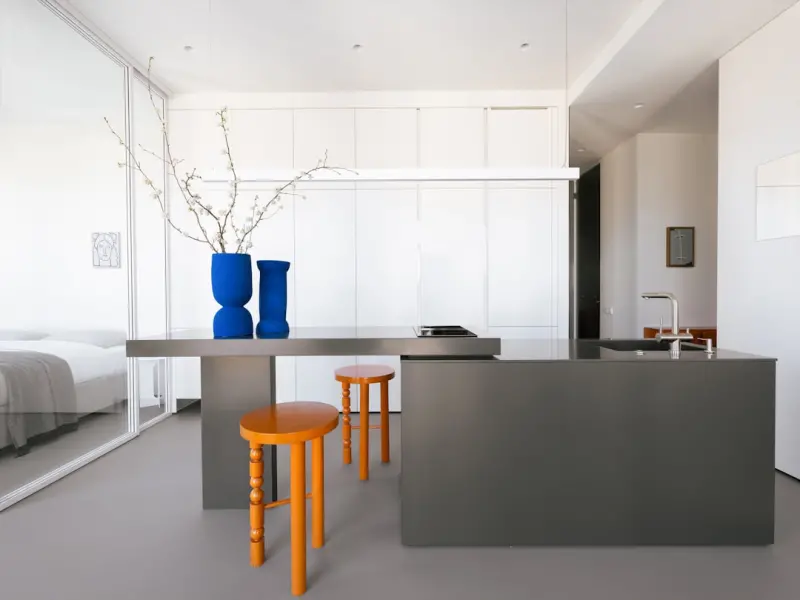
Re‑Engineering Your Home: How Space Design Can Slip Fat Off the Scale
When I first stepped into the world of weight‑loss consulting, I was armed with the usual arsenal: calorie calculators, macro‑tracking apps, and a relentless treadmill schedule. Months later, the numbers on the scale stubbornly refused to budge, and I realized the problem wasn’t my willpower—it was my environment.
Our bodies are exquisitely sensitive to subtle cues around us. Light, colour, the distance between the plate and our eyes, even the sound of a ticking clock can tip the balance between a mindful bite and a mindless binge. In this post I’m pulling back the curtain on an under‑explored lever of weight loss: the intentional design of the spaces where we eat, move, and rest. By treating your kitchen, dining area, and even the hallway leading to the fridge as a behavioral architecture project, you can create a silent, supportive system that nudges you toward leaner habits—without a single extra ounce of willpower.
1. The Psychology of Space: Why Walls Matter More Than Willpower
Scientists have long known that our surroundings shape our decisions. The field of “environmental psychology” shows that visual clutter taxes the brain’s executive function, leaving fewer mental resources for self‑control. A cluttered countertop is a constant invitation to “just grab something quick,” while a clean, purpose‑built zone reduces decision fatigue and encourages deliberate eating.
Consider the classic choice overload experiment: participants presented with a buffet of 24 snack options ate significantly more than those given a curated selection of six. The sheer abundance triggers a “permission to indulge” mindset. In your home, the equivalent is an open pantry brimming with sugary cereals, snack bars, and hidden cookies. By curating what’s visible, you curb the impulse to snack.
2. Light It Right: The Invisible Appetite Regulator
Light isn’t just about illumination—it’s a potent hormonal signal. Bright, blue‑rich light in the morning suppresses melatonin and spikes cortisol, priming us for activity and a healthy appetite. Conversely, dim, warm lighting in the evening signals the body to wind down, reducing cravings for high‑carb comfort foods.
Practical steps:
- Morning boost: Keep your kitchen lights on the brighter side (around 5,000 K) during breakfast. Natural daylight is best—open those curtains.
- Evening wind‑down: Switch to warm, low‑intensity bulbs (2,000–2,700 K) in the dining area after 7 p.m. This cues your body to release melatonin and reduces the urge for late‑night snacking.
- Screen curfew: Blue light from phones and TVs can disrupt the same pathways. Aim for a screen‑free zone at least 30 minutes before bedtime.
3. Colour Chemistry: Plateware, Walls, and the Hunger Hormone
Colour perception can subtly influence how much we eat. Studies reveal that people tend to serve themselves larger portions on white plates versus darker ones, and that blue hues can suppress appetite—a legacy of the natural world where blue foods are rare.
Implementing colour wisely:
- Blue dinnerware: A blue plate or bowl can trick the brain into thinking the food is “less appealing,” naturally curbing portion size.
- Green surroundings: Green walls or décor evoke freshness and can promote healthier food choices, especially vegetables.
- Avoid stark whites: While white can make spaces feel clean, in the kitchen it may encourage over‑filling. Opt for muted neutrals or soft pastel tones.
4. The Power of Plate Size and Shape
Research consistently shows that larger plates lead to larger servings. The visual cue of a small plate makes a modest portion appear abundant, satisfying the brain’s “fullness” perception faster.
Actionable tip: Replace the 12‑inch dinner plates you probably inherited from your parents with 9‑inch versions. Pair them with shallow bowls for soups and stews, which slows the eating pace and gives satiety signals more time to register.
5. Declutter to Decline Calorie Intake
Clutter is the silent saboteur of dietary goals. A kitchen countertop littered with gadgets, mail, and snack wrappers demands mental bandwidth, leaving less capacity for mindful eating.
Steps to a minimalist kitchen:
- One‑in‑one‑out rule: Every new item (gadget, appliance, or food container) must replace an existing one.
- Designated zones: Create specific spots for prep, cooking, and plating. Keep only the tools you use daily in the prep zone.
- Visual pantry: Store less‑healthy items on the top shelf or behind the back wall of the pantry, out of immediate sight. Keep fresh produce front‑and‑center.
6. Smart Storage: Leveraging Physics for Portion Control
We often underestimate the influence of container size. A bowl that holds 400 ml looks full when it contains 200 ml of soup, tricking the brain into satisfaction.
Try this:
- Pre‑portion snacks: Transfer chips, nuts, and dried fruit into individual 100‑gram containers. The visual cue of a full container signals completion.
- Transparent jars for carbs: Place oats, pasta, or rice in clear jars. When you reach for a serving, you can see exactly how much you’re about to pour.
7. Auditory Cues: Silence the Snack Siren
Background noise, especially the constant hum of a TV or music, can lead to “mindless eating.” When we’re distracted, the brain registers fewer satiety signals, encouraging over‑consumption.
Solution:
- Eat in a quiet zone: Turn off the TV and put the phone on Do Not Disturb during meals. Even low‑volume instrumental music can be beneficial, but avoid lyrics that might keep your mind occupied.
- Set a timer: A 20‑minute timer can remind you to pause, check your fullness level, and put down the fork.
8. The “Path of Least Resistance”: Re‑wire Your Home’s Layout
Behavioral economics teaches us that people follow the path of least resistance. By restructuring your home’s layout, you can make healthier choices the easiest choices.
Examples:
- Re‑position the fridge: Move it to a side wall, not directly in the line of sight from the kitchen entrance. A quick glance won’t trigger an automatic “I’m hungry” reflex.
- Place a fruit bowl on the countertop: Make fresh produce the first thing you see when you walk into the kitchen.
- Hide the pantry door: If possible, store the pantry behind a cabinet door that blends with the wall, reducing visual temptation.
9. Integrating Nutrient Synergy: The Role of Nutrient Pairing Alchemy
Beyond the visual and spatial tricks, the chemistry of what you eat matters. Pairing certain foods can enhance satiety and improve metabolic efficiency. For instance, adding a source of healthy fat (like avocado or olive oil) to a carbohydrate‑rich meal slows glucose absorption, flattening insulin spikes and reducing post‑meal hunger.
Practical pairings for weight loss:
- Protein + fibre: Greek yogurt topped with berries and chia seeds.
- Fat + fibre: A drizzle of almond butter over sliced apple.
- Protein + fat: A boiled egg with a handful of walnuts.
By deliberately constructing these combos on your plate, you create a “nutrient‑dense” meal that keeps you full longer, cutting the need for extra snacks.
10. The Community Overlay: Borrowing from The Social Prescription
While this article focuses on the physical layout, remember that social cues are powerful. Hosting a weekly “healthy potluck” where friends bring dishes that follow your design principles reinforces the new habits. The community’s positive feedback acts as a secondary layer of environmental support, much like a well‑lit kitchen does for personal choices.
11. Measuring Success: From Feel‑Good to Data‑Driven
Design changes are subtle; you won’t see a dramatic drop in weight overnight. To track progress, adopt a simple dashboard:
- Weekly photos: A visual timeline of body changes can be more motivating than numbers alone.
- Meal‑prep logs: Note the plate size, lighting, and any distractions during each meal.
- Weight checkpoints: Record your weight every Sunday morning, after a good night’s sleep.
Over time you’ll notice patterns—perhaps meals taken under bright light correlate with lower cravings, or days when the fridge is out of sight align with smaller portion sizes. These insights let you fine‑tune your environment further.
12. Putting It All Together: A 7‑Day Home‑Design Sprint
Ready to test the theory? Here’s a quick sprint you can execute in one week:
- Day 1 – Light Audit: Replace evening kitchen bulbs with warm LEDs. Open curtains in the morning.
- Day 2 – Plate Switch: Swap out one dinner plate for a 9‑inch blue plate.
- Day 3 – Declutter: Clear 15 minutes of countertop space; store all snack packaging out of sight.
- Day 4 – Smart Storage: Portion out a week’s worth of snacks into small containers.
- Day 5 – Sound Check: Eat all meals without screens or background TV; use a timer.
- Day 6 – Re‑position: Move the fridge or pantry door to a less‑visible spot.
- Day 7 – Review: Compare your weight, hunger levels, and mood to the previous week.
If you notice even a modest reduction in cravings or a slight dip on the scale, you’ve harnessed the power of environmental design. Scale the changes, iterate, and let your home become the silent coach you always wanted.
Final Thoughts: The Home as Your Most Loyal Trainer
Weight loss isn’t a battle of sheer will—it’s a negotiation with your surroundings. By redesigning the spaces where you eat, move, and rest, you shift the odds in your favor, making the healthier choice the default one. The next time you’re tempted by a late‑night snack, ask yourself: Is my environment nudging me toward this, or have I built a setting that says “no, thank you”? When the answer is the latter, the scale will start reflecting the effort you’re actually putting in.

Related Posts
Weight Loss Through Storytelling: Crafting a Narrative That Fuels Change
Learn how turning your weight‑loss journey into a narrative can replace fleeting willpower with la... Read More

The Creative Kitchen: Turning Cooking into a Weight‑Loss Power Play
Explore a fresh, creative approach to weight loss by treating cooking as an artistic playground—us... Read More
Narrative Coaching for Sustainable Weight Loss
Learn to turn weight loss into a compelling story by combining narrative coaching, habit stacking, a... Read More
Top Posts

Designing a Pregnancy‑Friendly Home Without the Clutter
Learn how to create a calm, clutter‑free home for pregnancy with minimalist design, multi‑functional furniture, sustainable materials, and smart budgetingâ€...Read More

Living Holistically with Autoimmune Disease: My Personal Roadmap
Tammy French shares her personal, holistic roadmap for managing autoimmune disease, from nutrition and physiotherapy to stress reduction and community support....Read More

Fueling the Night: Nutrition Strategies for After-Hours Professionals
A deep‑dive into the science and habits that help night‑shift professionals eat smarter, stay alert, and safeguard long‑term wellness through targeted foo...Read More
Adaptive Thermogenesis: Turning Your Body Into a Fat‑Burning Engine
Discover how brief cold showers, a dash of spice, and frequent micro‑movements can rewire your body’s thermostat, boost metabolic rate, and help you lose we...Read More
0 Comments
Post Comment
You will need to Login or Register to comment on this post!