
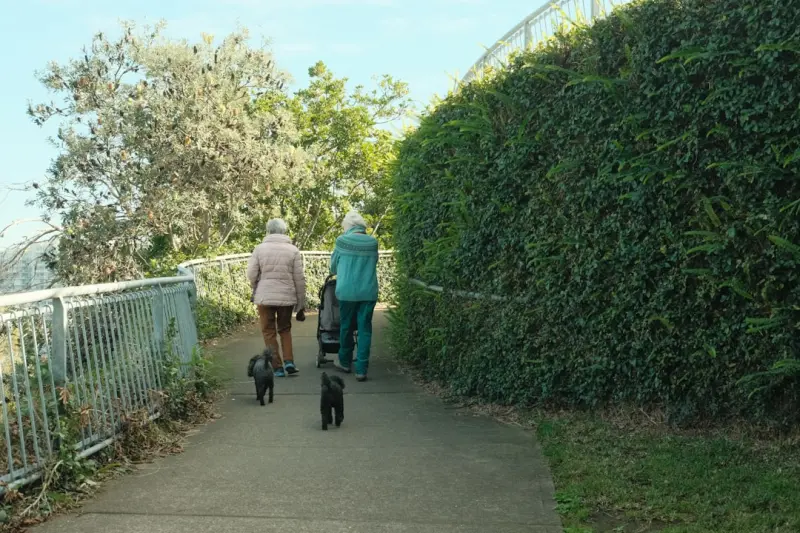
Why Intergenerational Connections Are the Secret Sauce for Senior Health
When I first stepped into a community center that paired retirees with local high‑school students, I expected a polite exchange of stories. What I got instead was a vivid reminder that health isn’t just about blood pressure numbers or joint flexibility—it’s also about the richness of the social fabric that surrounds us.
For many seniors, the day‑to‑day routine can feel like a well‑worn path: morning medication, a walk around the block, perhaps a crossword puzzle, and then the evening TV. While comforting, that routine can also become a silent catalyst for isolation, reduced cognitive stimulation, and even a gradual decline in physical vigor. The solution, surprisingly, doesn’t always require a new supplement or a high‑intensity workout. It lies in the simple, yet profound, act of sharing time, stories, and energy with younger generations.
The Science Behind “Cross‑Generational Fitness”
Researchers have long documented the mental and physiological benefits of social interaction, but a growing body of evidence now highlights the unique advantages when those interactions bridge a generational gap.
- Cognitive Boost: Engaging in conversations with younger people challenges the brain to process fresh slang, contemporary references, and novel viewpoints, which can improve neuroplasticity.
- Emotional Resilience: Feeling valued and needed reduces the risk of depression and anxiety, conditions that disproportionately affect older adults.
- Physical Activity: Joint activities—whether it’s a light garden project, a game of catch, or a technology lesson—naturally increase movement, supporting muscle strength and balance.
- Purpose & Identity: Mentoring or teaching provides a renewed sense of purpose, a factor linked to longer, healthier lives.
All of these benefits combine to form what I like to call “cross‑generational fitness.” It’s a holistic approach that nurtures mind, body, and spirit through the simple act of connection.
Practical Ways to Build Intergenerational Bridges
Below are actionable ideas that seniors (and anyone supporting them) can implement today. No fancy equipment, no expensive programs—just genuine engagement.
1. Skill‑Swap Sessions
Identify a skill you’ve mastered over the years—be it knitting, woodworking, cooking family recipes, or even storytelling. Then find a younger person who wants to learn that skill in exchange for teaching you something modern, like using a smartphone or navigating social media. This reciprocal learning creates a win‑win dynamic where both parties feel empowered.
2. Community Garden Partnerships
Gardening is a timeless activity that offers physical movement, sunlight, and a sense of accomplishment. Pairing seniors with school groups or youth clubs to tend a community plot can turn a solitary hobby into a vibrant, shared experience. For a deeper dive on how garden‑to‑table nutrition can enhance gut health, check out garden-to-table nutrition.
3. Tech‑Mentor Programs
Many seniors feel left behind by the rapid pace of technology. By becoming the “tech mentor” for a teenager, you reverse the narrative: the senior becomes the teacher, while the teen offers hands‑on guidance. This not only builds digital literacy but also boosts confidence.
4. Storytelling Workshops
Invite local schools to host oral‑history sessions where seniors share personal anecdotes, family histories, or cultural traditions. Recording these stories preserves heritage and gives seniors a platform to feel heard and respected.
5. Volunteer Together
Join forces on community service projects—like delivering meals to neighbors, cleaning local parks, or assisting at food banks. Working side‑by‑side with younger volunteers amplifies the sense of purpose and provides light, functional exercise.
6. Exercise Classes with a Twist
Instead of traditional senior‑only fitness classes, explore mixed‑age options like low‑impact dance, tai chi, or chair yoga. The presence of younger participants often adds a lively energy that makes the session feel less like a chore and more like a social gathering.
Overcoming Common Barriers
Even the most well‑intentioned programs can stumble if they don’t address logistical and emotional hurdles. Here’s how to navigate the most frequent challenges.
Transportation & Accessibility
Partner with local ride‑share services or community shuttles to ensure seniors can travel safely to intergenerational events. Many municipalities offer discounted or free rides for older adults—don’t forget to explore those options.
Technology Anxiety
If you’re introducing a digital component—say, a video call with a far‑away grandchild—start with a short, guided tutorial. Remember, the goal is to make technology a bridge, not a barrier.
Age‑Related Stereotypes
Both sides may hold preconceived notions: younger people might see seniors as “out‑of‑touch,” while older adults might view youth as “impatient.” Setting clear expectations, emphasizing mutual respect, and celebrating small successes can dissolve these biases quickly.
Health Limitations
Always consider individual health needs. Offer adaptable activities—like seated gardening or standing desk storytelling—so that participants can engage at their own comfort level.
Leveraging Digital Tools for Seamless Collaboration
In today’s connected world, technology can amplify the reach of intergenerational programs without adding complexity. Platforms designed for virtual collaboration, health tracking, and community organization can help seniors stay engaged even when physical meet‑ups aren’t possible.
Explore how digital physiotherapy tools are being adapted for home use. Many of these tools feature gentle reminders, guided movement videos, and real‑time feedback, making it easier for seniors to stay active alongside younger partners who might be more comfortable navigating apps.
Maximizing Health Insurance to Support Intergenerational Activities
Often, seniors overlook the community‑focused benefits embedded in their health plans. Some policies cover preventative programs, wellness workshops, and even transportation to approved community events.
Take a moment to review your coverage and discover how to unlock hidden health insurance benefits. You might be surprised to find that certain wellness initiatives—like group exercise classes or nutrition counseling—are reimbursable when tied to a community program.
Success Stories: Real‑World Examples of Intergenerational Impact
Below are three inspiring case studies that illustrate the transformative power of bridging generations.
The “Memory Garden” Initiative
In a Midwestern town, a senior living community partnered with a local elementary school to create a “Memory Garden.” Seniors taught students about heirloom vegetables, while the kids helped plant and maintain the beds. After six months, seniors reported a 30% reduction in feelings of loneliness and a noticeable improvement in mood, measured by standard wellness surveys. The children, meanwhile, gained hands‑on agricultural experience that sparked interest in nutrition and science.
Tech‑Bridge Mentorship
At a community center in the Pacific Northwest, a group of seniors volunteered to mentor high‑schoolers in basic coding concepts using block‑based platforms like Scratch. The seniors’ life experience added depth to the projects, while the teens helped their mentors navigate app stores and video calls. Post‑program assessments revealed increased confidence among seniors in using smartphones, and the teens reported higher empathy scores when working with older adults.
Storytelling for Healing
In a coastal city, a nonprofit organized a “Story Circle” where veterans over 70 shared wartime experiences with middle‑school students. The act of recounting memories served as a therapeutic outlet for the veterans, reducing symptoms of post‑traumatic stress. Students gained historical perspective and a deeper appreciation for sacrifice. The program’s success led to its replication across three additional counties.
Getting Started: A 7‑Day Action Plan
If the idea of fostering intergenerational connections feels overwhelming, break it down into manageable steps. Here’s a simple weekly roadmap:
- Day 1 – Identify Your Passion: Write down one skill or hobby you love sharing.
- Day 2 – Reach Out: Contact a local school, youth club, or community organization. Introduce yourself and propose a collaboration.
- Day 3 – Scout a Space: Choose a venue that’s accessible—library meeting room, community garden, or even a virtual platform.
- Day 4 – Set Goals: Define clear, achievable objectives (e.g., “Teach three knitting techniques” or “Introduce five smartphone shortcuts”).
- Day 5 – Promote the Event: Use flyers, social media, or word‑of‑mouth to invite participants.
- Day 6 – Prepare Materials: Gather supplies, handouts, or digital guides.
- Day 7 – Host the Session: Facilitate the interaction, stay flexible, and celebrate the first milestone!
After the initial event, gather feedback, adjust as needed, and plan the next session. Consistency is key to building lasting bonds.
Measuring Impact: Simple Metrics to Track Success
To ensure your intergenerational program is delivering real health benefits, consider tracking the following indicators:
- Attendance & Retention: How many participants return for subsequent sessions?
- Mood Surveys: Short questionnaires before and after each meeting can gauge emotional shifts.
- Physical Activity Logs: Note any increase in movement—steps taken, minutes of gardening, or stretches performed.
- Cognitive Engagement: Track new skills learned or topics discussed.
- Health Utilization: Monitor any changes in doctor visits or medication adjustments (in collaboration with healthcare providers).
Even anecdotal evidence—like a senior laughing more often or a teen expressing gratitude—holds immense value. Celebrate these wins as proof that connection truly fuels health.
Future Outlook: Scaling Intergenerational Health Across Communities
As the population ages, the need for innovative, low‑cost health interventions will only grow. Intergenerational programs present a scalable solution that leverages existing community assets—people, spaces, and shared curiosity. Policymakers are beginning to recognize this, with pilot grants aimed at integrating seniors into youth education curricula.
Imagine a national network where every senior center pairs with a nearby school, creating a web of mentorship, shared meals, and collaborative projects. Such a model could reduce healthcare costs by lowering rates of depression, cognitive decline, and physical frailty, while simultaneously enriching the lives of younger generations.
Final Thoughts: The Gift of Time
In my experience, the most powerful prescription for senior health isn’t a pill—it’s the generous gift of time. When seniors invest a few hours each week in meaningful exchange, they reap rewards that ripple across their physical, mental, and emotional landscapes. And the younger participants gain perspective, empathy, and a tangible link to the past.
So, whether you’re a senior looking for new ways to stay vibrant, a family member seeking fresh avenues for your loved one, or a community leader aiming to design inclusive programs, consider the profound impact of intergenerational connection. The science is compelling, the stories are uplifting, and the path forward is beautifully simple: reach out, share, and grow together.

Brandy Miller is a dynamic freelance writer based in the vibrant city of Cambridge, Ontario. With a passion for storytelling that knows no bounds, she crafts compelling narratives that captivate and inspire. Brandy’s love for writing shines through in her versatile work, whether she’s penning thought-provoking articles or engaging content that resonates with readers. Her unique perspective and friendly tone make her a sought-after voice in the writing community. When she’s not weaving words together, you can find her exploring the beautiful landscapes of Ontario, always seeking new adventures and inspiration for her next piece. Brandy is not just a writer; she’s a creative force, making her mark one word at a time.
Related Posts
The Community Garden Prescription: Boosting Senior Health Through Shared Green Spaces
A community garden offers seniors a holistic health solution—combining gentle exercise, nutritious... Read More
The Importance of Mental Health in Seniors: A Holistic Approach
Mental health is critical for seniors' overall health. Learn about the challenges they face, such as... Read More
Designing the Senior Home for Safety, Comfort, and Cognitive Vitality
Explore how thoughtful lighting, flooring, sound, scent, and personalized touches can transform seni... Read More
Top Posts
Unlocking Autoimmune Healing Through Creative Expression
A deep dive into the science and practice of using creative activities to modulate the immune system, offering practical steps and real‑world stories for thos...Read More

Breathing New Life into Sleep Apnea Management
Explore a fresh, breath‑focused approach to sleep apnea that blends simple techniques, lifestyle tweaks, and modern tracking to boost nightly recovery and ove...Read More

Beyond the Night: How Sleep Apnea Shapes Decision‑Making and Leadership Performance
Sleep apnea silently disrupts brain function, undermining decision‑making, creativity, and risk perception in leaders. Discover the cognitive costs and practi...Read More

Holistic Approaches to Managing Pregnancy-Related Sleep Disturbances
Pregnancy-related sleep disturbances are common, but there are holistic approaches to managing them. Learn how to improve sleep quality and overall well-being d...Read More
0 Comments
Post Comment
You will need to Login or Register to comment on this post!