
When the Office Becomes a Trigger: Navigating Eating Disorders at Work
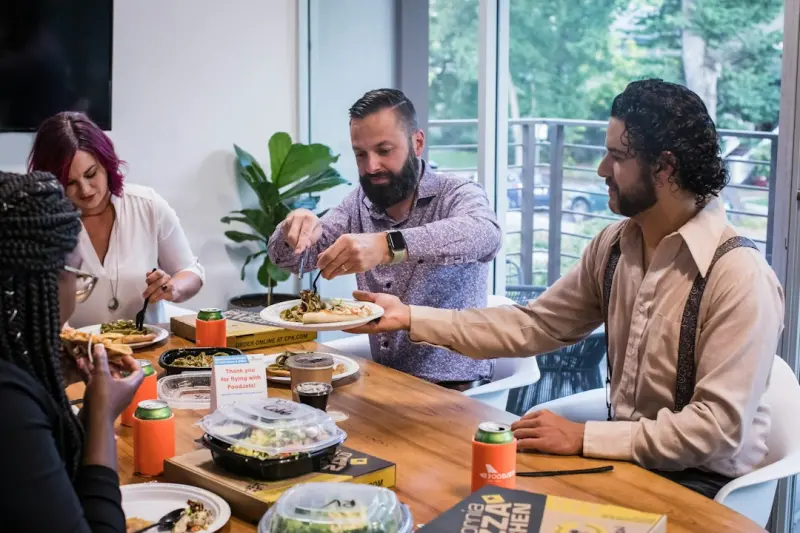
It’s a quiet sort of crisis. You walk into a bustling open‑plan office, coffee mugs clink, keyboards click, and somewhere in the middle a colleague is silently wrestling with an eating disorder. The problem? Most of us never see the signs. We assume the cafeteria is just a place for lunch, the snack drawer is just a convenience, and the “wellness” emails about “mindful eating” are harmless pep talks. Yet, the workplace can unintentionally become a hotbed for unhealthy relationships with food, body image, and control.
My name is Brandy Miller, and I’ve spent years consulting with organizations on how culture shapes health outcomes. Over time, I’ve watched the conversation around mental health broaden, but eating disorders often stay in the shadows—especially in professional settings where the mantra “keep it professional” can silence vital conversations. This post is a deep dive into why the office can be a trigger, how to spot subtle cues, and, most importantly, what leaders and teammates can do right now to foster a genuinely supportive environment.
The Hidden Mechanics of Workplace Triggers
Before we can intervene, we need to understand the mechanisms that turn a neutral office into a pressure cooker for disordered eating. Below are the three most common, yet under‑discussed, pathways:
- Social Comparison on Steroids – Open‑plan layouts and communal lunch tables amplify visual comparisons. When everyone pulls out perfectly plated salads or artisanal grain bowls, the implicit message can be “you should be doing the same.” Those with a predisposition to body dissatisfaction may feel a surge of shame or urgency to “fit in.”
- Scheduling Rigidity – Tight meeting cycles, endless Zoom calls, and the expectation to “always be on” compress eating windows. Skipping meals becomes a badge of dedication, and the notion that “I don’t have time to eat” can become normalized.
- Wellness Programs with a Narrow Lens – Many corporate wellness initiatives focus on calorie‑counting challenges, step competitions, or “healthy snack” giveaways. While well‑intentioned, these programs can unintentionally glorify restriction and turn nutrition into a point‑scoring game.
These dynamics create a perfect storm for individuals who already struggle with control, perfectionism, or anxiety. The result isn’t just a personal health issue—it ripples through productivity, engagement, and team cohesion.
Spotting the Subtle Signs (Without Being a Detective)
One of the biggest barriers to support is the fear of misreading a situation. You don’t want to walk into someone’s personal space or make unfounded assumptions. Instead, focus on patterns and behaviors rather than isolated incidents.
- Frequent “I’m too busy to eat” excuses or consistently skipping lunch breaks.
- Visible anxiety around food-related conversations—e.g., changing the subject when the team talks about a new catering menu.
- Sudden changes in weight that seem to correlate with high‑stress periods (e.g., product launches, fiscal year ends).
- Excessive focus on “clean eating” or an unusual fixation on specific diet trends that seem out of sync with the person’s usual habits.
Remember, the goal isn’t to diagnose—only to create space for a conversation if the person chooses to open up.
Creating a Culture That Doesn’t Fuel the Disorder
Changing an entire workplace culture feels daunting, but you can start with small, tangible actions. Below are practical steps for leaders, HR professionals, and even peers.
1. Reframe Wellness Messaging
Shift the narrative from “eat less, move more” to “nourish your body, honor your mind.” Avoid language that equates food choices with moral value. For instance, replace “healthy snack options” with “energy‑boosting options” and emphasize variety rather than “clean” versus “unclean.”
2. Offer Flexible Break Policies
Encourage employees to step away from their desks for meals without guilt. A simple policy stating “you are welcome to take a 30‑minute break for any meal or snack” can dismantle the “always‑on” myth. Pair this with visible leadership modeling—see a manager taking a proper lunch break, and the rest of the team follows.
3. Diversify Wellness Initiatives
Instead of calorie challenges, consider programs that focus on infusing humor into recovery or stress‑relief workshops that teach breathing techniques, mindfulness, or creative expression. Activities that celebrate movement for joy—like a lunchtime dance‑off—rather than for burn calories can shift the focus.
4. Provide Confidential Resources
Ensure that Employee Assistance Programs (EAP) include specialists trained in eating disorders. Highlight these resources in onboarding packets and internal newsletters. A discreet link on the intranet titled “Confidential Support for All Health Concerns” can make a world of difference.
5. Train Managers on Compassionate Communication
Equip leaders with the tools to have open‑ended, non‑judgmental conversations. Role‑playing scenarios where a manager asks, “I’ve noticed you’ve been stepping out for shorter breaks lately—how are you feeling?” can set a tone of care without prying.
6. Re‑examine Food‑Centric Social Events
When planning team outings, offer alternatives to restaurant meals. Think of activities like a walking tour, a museum visit, or a group art class. If food is present, provide a range of options that include non‑food treats—like a game night or a DIY craft station.
Technology Can Be a Double‑Edged Sword—Use It Wisely
Digital tools are ubiquitous in modern workplaces, and they can both exacerbate and alleviate eating disorder pressures. On one hand, constant exposure to curated images of “ideal” bodies on social feeds can feed comparison. On the other, technology can be harnessed to create supportive ecosystems.
Consider integrating building compassionate tech habits into your company’s digital wellness policy. Encourage employees to set “no‑screen” times during meals, use mindfulness apps that focus on body positivity, and provide platforms where staff can anonymously share coping strategies or success stories.
Another innovative approach is to use chat‑bots that, instead of promoting diet tracking, ask reflective questions like “How did you feel after your last meal?” and provide resources if the response signals distress.
Personal Stories: When I Realized My Own Bias
Early in my consulting career, I attended a “healthy office lunch” event where the buffet was filled with kale chips, quinoa salads, and avocado toast. I felt a pang of guilt for not having a “perfect” plate, even though I was just there to network. It was a subtle reminder that I, too, could slip into the habit of judging food choices—my own or others’. That moment sparked a deeper curiosity: how many professionals are silently battling these internal critics while trying to meet deadlines?
Since then, I’ve made it a personal commitment to examine my language and assumptions. When a colleague mentions they’re “on a cleanse,” I now ask, “What’s working well for you?” rather than “Are you sure that’s healthy?” This shift from judgment to curiosity opens doors for genuine dialogue.
Measuring Impact: What Success Looks Like
Implementing cultural changes is only half the battle; you need to track progress. Here are three metrics that can help you gauge effectiveness without breaching privacy:
- Utilization of EAP Services – An increase (not a decrease) in usage of counseling services can indicate that employees feel safer seeking help.
- Employee Survey Sentiment – Include questions about perceived pressure around food and body image. Look for trends over quarterly intervals.
- Retention and Absenteeism – While many factors influence these numbers, a steady improvement after wellness interventions can be a positive sign.
Remember, the goal isn’t to “solve” eating disorders—those are complex medical conditions requiring professional treatment—but to ensure the workplace isn’t a contributing factor.
Takeaway Toolkit
Below is a quick, actionable checklist you can share with your team today:
- Review and rewrite any internal wellness communications to avoid weight‑centric language.
- Introduce a flexible lunch break policy and visibly endorse it.
- Offer at least one non‑food‑based social activity per month.
- Update the EAP resource list to highlight eating‑disorder specialists.
- Provide a brief training session for managers on compassionate listening.
- Implement a “screen‑free meal” reminder in the company calendar.
Small steps, when taken consistently, can transform a workplace from a hidden trigger to a sanctuary of support.
Looking Ahead: A Vision for the Future
Imagine an office where the conversation about food is as diverse as the team itself—where a salad is not a badge of virtue, but one of many nourishing options, and where a break for a snack is celebrated as a moment of self‑care, not a lapse in productivity. In such environments, the stigma surrounding eating disorders fades, and employees feel empowered to seek help without fear of judgment.
It starts with a single leader willing to question the status quo, a teammate willing to listen, and a company willing to invest in human dignity over numbers. The journey is ongoing, but each mindful decision chips away at the silent pressures that fuel disordered eating.
If you’re reading this and feel a spark of recognition—whether you’re an employee, manager, or HR professional—know that you have the power to shift the narrative. Your actions today can be the difference between a hidden struggle and a pathway to recovery.

Brandy Miller is a dynamic freelance writer based in the vibrant city of Cambridge, Ontario. With a passion for storytelling that knows no bounds, she crafts compelling narratives that captivate and inspire. Brandy’s love for writing shines through in her versatile work, whether she’s penning thought-provoking articles or engaging content that resonates with readers. Her unique perspective and friendly tone make her a sought-after voice in the writing community. When she’s not weaving words together, you can find her exploring the beautiful landscapes of Ontario, always seeking new adventures and inspiration for her next piece. Brandy is not just a writer; she’s a creative force, making her mark one word at a time.
Related Posts

Breaking the Silence: A New Lens on Eating Disorders and Recovery
This article reimagines eating disorder recovery as a journey from food fear to food freedom, emphas... Read More
Reframing Eating Disorders: From Moral Panic to Physiological Feedback
A new approach to eating disorders treats food as feedback, not a moral failing, by combining physio... Read More

Beyond the Scale: How Immersive Tech Is Rewriting Eating Disorder Recovery
This article dives into the cutting‑edge role of virtual reality, neurofeedback, and data‑driven... Read More
Top Posts

Cycle‑Smart Nutrition: Tailoring Your Diet to Every Phase of the Menstrual Cycle
Learn how to match your nutrition to the four phases of the menstrual cycle, optimizing energy, mood, and performance with evidence‑based food choices and sim...Read More

Sensory Enrichment: A Fresh Blueprint for Brain Vitality
Tap into the power of everyday senses—sight, sound, smell, touch—to boost memory, focus, and mental resilience with simple, science‑backed habits. From ki...Read More

The Silent Saboteur: Modern Stress and Men’s Health
Modern stress quietly erodes men’s health by disrupting hormones, metabolism, and sleep. This guide reveals actionable strategies—better sleep, environmenta...Read More

The Hormetic Edge: How Controlled Stress Fuels a Longer Life
Explore the science of hormesis and learn practical, everyday stress techniques that strengthen body and mind, paving the way for a longer, healthier life....Read More
0 Comments
Post Comment
You will need to Login or Register to comment on this post!