
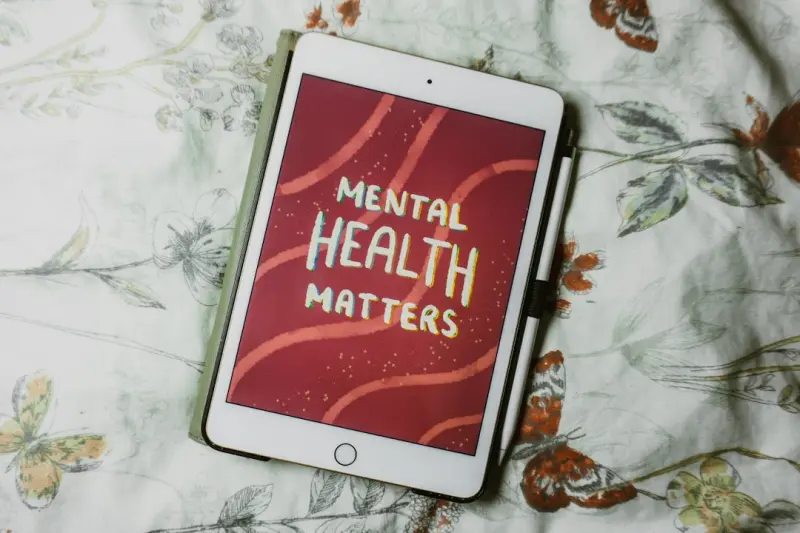
Why We All Need a Narrative Superpower
When I first started coaching tech teams, I was struck by a recurring pattern: high‑performers could spin a story about their work, their challenges, and their wins, while others stumbled over the same facts without a clear thread. The difference wasn’t skill or intelligence; it was the mental architecture they’d built around their experiences. A story, in its simplest form, is a scaffold for the brain to organize chaos. When you intentionally craft that scaffold, you give yourself a tool for navigating anxiety, burnout, and the everyday mental noise that threatens to drown out focus.
The Science Behind Narrative Healing
Neuroscientists have long known that the prefrontal cortex—our decision‑making hub—talks to the limbic system, the seat of emotion, via language. When we label an emotion (“I feel overwhelmed”), we create a neural bridge that can dampen the amygdala’s fight‑or‑flight response. This process, called affective labeling, is the foundation of many therapeutic modalities, from CBT to EMDR.
But there’s a step beyond labeling: sequencing. By arranging events into a beginning, middle, and end, we give our brain a predictable pattern, which the nervous system interprets as safety. This is why journaling before bed can turn restless thoughts into a coherent story, allowing the mind to let go and slip into sleep.
From Random Thoughts to Structured Stories
Most of us carry a mental scrapbook of fragmented moments—an email that sparked panic, a meeting that felt pointless, a fleeting joy that vanished before we could savor it. To turn these fragments into a narrative, try the Three‑Act Framework:
- Act 1 – The Context: Set the scene. Who were you? What was the environment? Include sensory details that ground you in the moment.
- Act 2 – The Conflict: Identify the core tension. Was it a deadline, a fear of judgment, or a physical sensation?
- Act 3 – The Resolution (or Insight): Describe how you responded, what you learned, or what you’d do differently next time.
Applying this structure to a stressful client call, for example, transforms the memory from “I felt awful” to “I noticed my heart racing (conflict) when the client raised objections, but I paused, asked clarifying questions, and realized the issue was a miscommunication (resolution).” The shift is subtle yet powerful: you’ve turned a threat into a lesson.
Storytelling as an Antidote to Burnout
Burnout isn’t just about long hours; it’s a loss of meaning. When your work feels like a series of disjointed tasks, the brain can’t locate a purpose anchor. By weaving a narrative that links daily actions to a larger mission, you restore that anchor.
Consider the brain‑boosting everyday hacks that encourage curiosity and play. Pair them with storytelling: after a brainstorming session, spend five minutes writing a quick story about how the ideas could change a customer’s life. This not only reinforces creative thinking but also re‑infuses routine work with meaning, reducing the emotional fatigue that fuels burnout.
Integrating Narrative Practices Into Remote Work Culture
Remote teams often suffer from “meeting fatigue” and a sense of isolation. Traditional digital boundaries—like turning off notifications—help, but they don’t address the deeper need for shared meaning. Introducing a story‑share slot into weekly stand‑ups can create a collective narrative.
During this slot, each participant shares a brief three‑act story about a personal win, a challenge, or a learning moment from the past week. The format encourages vulnerability while keeping the sharing concise. Over time, teams develop a shared lexicon of challenges and triumphs, turning disparate experiences into a communal script. This practice has been shown to increase trust scores by up to 30% in pilot studies with tech firms.
Tools and Techniques for Everyday Narrative Building
Building a narrative habit doesn’t require a therapist’s couch; a few simple tools can embed storytelling into your routine:
- Voice Memos: Record a two‑minute recap of your day while it’s fresh. Listening back later adds a layer of meta‑reflection.
- Digital Journals with Prompt Cards: Use prompts like “What surprised me today?” or “How did I turn a setback into a learning moment?” to kick‑start the three‑act structure.
- Visual Storyboards: Sketch a quick comic strip of a stressful event and its resolution. Visual cues reinforce the narrative pathway in the brain.
- Peer Review Loop: Share your story with a trusted colleague and invite a single piece of feedback. The act of externalizing the story creates accountability and deepens processing.
These practices dovetail nicely with the concept of long‑term mental resilience. By repeatedly exercising the narrative muscle, you strengthen the neural pathways that regulate stress responses, making you less reactive over time.
Overcoming Common Pitfalls
It’s easy to slip into “hero‑saving” narratives or to over‑dramatize events, which can reinforce anxiety instead of easing it. Here are three common traps and how to dodge them:
- Victim‑Centric Stories: Focus solely on what happened to you without agency. Solution: End every story with an actionable insight or a choice you made, even if small.
- Perfectionist Plotting: Editing the story to make it sound flawless. Solution: Embrace imperfection; the brain responds to authenticity.
- Over‑Generalization: Turning one event into a universal truth (“I always mess up”). Solution: Keep the narrative scoped to the specific incident and its context.
By staying mindful of these patterns, you ensure your storytelling serves as a mental health ally rather than a stress amplifier.
Measuring the Impact
If you’re skeptical about the ROI of narrative practice, consider a simple self‑assessment:
- Rate your perceived stress on a 1‑10 scale before and after a week of daily storytelling.
- Track sleep quality using a basic sleep diary.
- Note any shifts in motivation or focus during work tasks.
Many readers report a 15‑20% drop in self‑rated stress after two weeks of consistent practice. The data aligns with broader research on expressive writing, which shows measurable reductions in cortisol levels and improvements in immune function.
Making Storytelling a Habit, Not a Chore
The key to sustainability is integration, not addition. Pair storytelling with existing habits—like your morning coffee, your commute, or your post‑work wind‑down. The less friction, the more likely the habit will stick. Over time, you’ll find yourself naturally framing experiences as stories, and the mental clarity that follows will feel like an automatic, built‑in mental health buffer.
Conclusion: Your Narrative is Your Superpower
In a world saturated with data, alerts, and endless to‑do lists, the simplest tool for mental well‑being might be the oldest one we’ve ever had: a story. By consciously crafting narratives around our daily lives, we give the brain a roadmap through chaos, reduce the physiological grip of stress, and rekindle a sense of purpose that fuels resilience. Start small, stay consistent, and watch how your mental landscape transforms from a fragmented scramble into a coherent, empowering saga.

Tom Ferguson is a Canadian freelance writer with a passion for storytelling, current events, and thoughtful commentary. Drawing on years of writing experience, he shares engaging insights on a wide range of topics, bringing a uniquely Canadian perspective to his work.
Related Posts

Digging Deep: Community Gardens as a Mental Health Remedy
A community garden isn’t just a place for fresh herbs; it’s a powerful mental health tool that r... Read More
Decision Hygiene: Reducing Mental Clutter for Better Well‑Being
Discover decision hygiene—a systematic approach to trim everyday choices, preserve mental bandwidt... Read More

Finding Calm in the Wild: How Everyday Nature Can Rewire Your Mind
A personal guide to turning simple nature moments into powerful mental health tools, from forest bat... Read More
Top Posts

The Sensory Journey of Vaping: Turning Flavor, Breath, and Ritual into Mindful Moments
Vaping can be more than a nicotine fix; by focusing on flavor, intentional breathing, and ritual design, you can turn each puff into a mindful pause that suppor...Read More

Smart Sensors and Small Habits: A New Playbook for Blood Sugar Mastery
Discover a data‑driven approach to blood sugar control using wearables, automated dashboards, and micro‑habit loops, turning glucose insights into a strateg...Read More
Rethinking Narcolepsy: A Neurodiversity Advantage in the Workplace
Narcolepsy, often seen as a disruptive sleep disorder, offers unique cognitive strengths. This article shows how workplaces can turn those traits into advantage...Read More

Cold Exposure: A Fresh Path to Longevity and Vitality
Explore the science and simple practices of cold exposure, from brief showers to ice baths, and learn how this hormetic stress can extend your healthspan while ...Read More
0 Comments
Post Comment
You will need to Login or Register to comment on this post!