
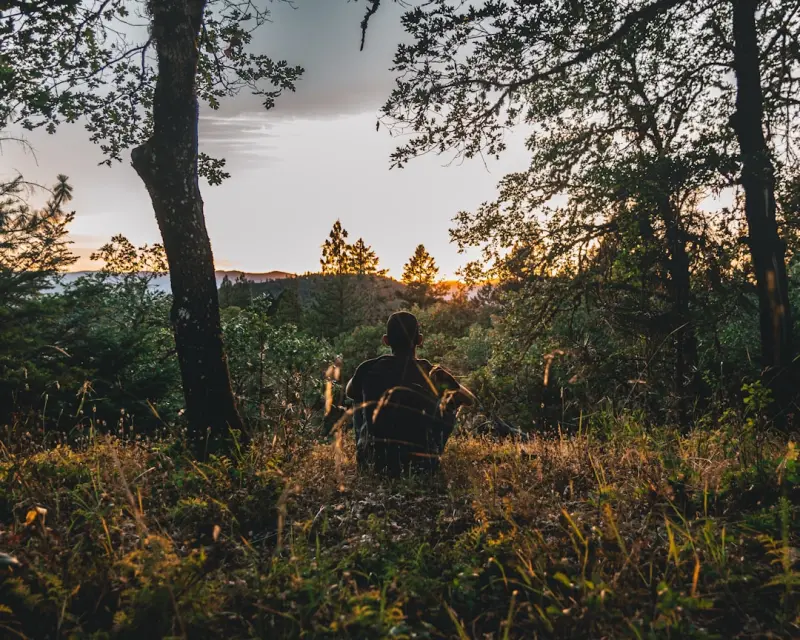
Why the Outdoors Matters
Ever since I slipped off my office chair onto a moss‑covered path, I’ve felt a quiet shift in my brain’s chatter, as if the trees were turning down the volume on anxiety. Nature’s subtle rhythms—the rustle of leaves, the distant hum of a brook—create a sensory lullaby that our overstimulated modern lives rarely offer, allowing the nervous system to reset its baseline. In my own practice of mindful walking, I’ve noticed that even a ten‑minute stroll can dissolve the mental fog that builds up after endless meetings and screen time.
The Science Behind Forest Bathing
Researchers call the practice “shinrin‑yoku,” and they’ve documented measurable drops in cortisol, heart rate, and blood pressure when participants immerse themselves in dense, green environments for just half an hour. The mechanism appears to involve the vagus nerve, which mediates the body’s “rest‑and‑digest” response; the scent of phytoncides—natural compounds released by trees—stimulates this pathway, nudging our physiology toward calm. A meta‑analysis of dozens of studies confirms that regular exposure to forest settings not only improves mood but also enhances immune function, giving the mind and body a double‑boost.
Micro Nature Breaks for Busy Lives
For many of us whose schedules feel like a treadmill, carving out large blocks of time for wilderness trips isn’t realistic, but micro nature breaks are surprisingly potent. I place a small potted fern on my desk and pause every two hours to breathe in its earthy aroma, an act that mirrors the benefits of a forest immersion without leaving the office; this tiny ritual also serves as a reminder to honor digital boundaries that protect mental space. Even opening a window to let in the sound of distant birds can reset the brain’s default mode network, sharpening focus and reducing the emotional ripple of constant notifications.
Scent, Sensory Memory, and Mood
Our olfactory system is a direct gateway to the limbic system, the brain region that houses emotion and memory, which is why a whiff of pine can instantly transport us to a tranquil hike. I’ve started a habit of diffusing lavender or cedarwood during evening writing sessions, and the subtle fragrance acts like an emotional anchor, grounding my thoughts and easing racing anxiety. By pairing scent with intentional reflection—much like the approach in the narrative cure—we can weave sensory cues into our personal story, making positive moods more accessible on demand.
Journaling Beneath the Canopy
Combining the tactile experience of nature with the reflective power of journaling creates a potent feedback loop for emotional regulation; the act of writing outdoors invites the mind to externalize worries onto paper while the surrounding greenery provides a soothing backdrop. I keep a pocket‑size notebook in my backpack, jotting down three observations—like the pattern of light on bark or the cadence of a sparrow’s song—alongside any lingering thoughts, which helps me reframe stressors through a more grounded lens. Over weeks, this practice has revealed recurring themes that I can address directly, turning vague anxiety into actionable insight.
Community Green Spaces as Healing Hubs
Beyond solo experiences, shared nature activities amplify mental health benefits by layering social connection onto environmental exposure, a synergy that research shows can lower depressive symptoms more than either factor alone. I joined a local “walk‑and‑talk” group that meets in the park every Saturday, where we discuss a weekly prompt while strolling; the rhythm of footsteps combined with conversation creates a safe space for vulnerability and growth. These communal green rituals not only foster accountability but also nurture a sense of belonging, reminding us that healing is often a collective journey.
Practical Solutions for Urban Dwellers
City living doesn’t have to be a barrier to nature therapy; strategic use of indoor plants, balcony gardens, and virtual reality forest experiences can replicate many of the same physiological effects. I installed a vertical herb garden on my kitchen wall, and the act of caring for living green has become a meditative pause that interrupts the daily grind, while the fresh scents of rosemary and mint double as natural mood enhancers. When weather or space limits outdoor time, I turn to high‑definition nature videos that synchronize with ambient soundscapes, a low‑cost alternative that still engages the brain’s restorative pathways.
Your Personal Nature‑Wellness Blueprint
To turn these ideas into lasting habits, I recommend drafting a simple “nature contract” with yourself: choose one micro break, one scent ritual, and one weekly outdoor activity, then track your mood in a journal for thirty days to observe patterns. By measuring the impact, you can fine‑tune the frequency and type of nature exposure that resonates most with your mental architecture, creating a personalized roadmap to resilience. Remember, the goal isn’t perfection but consistency; even small, intentional moments in green can rewire stress responses, gifting you a calmer, clearer mind.

Sarah Gray is a proud Canadian who calls Brampton home, where she lives with her husband, Paul. A passionate home cook and gifted storyteller, Sarah loves creating delicious recipes and sharing stories inspired by everyday life, family, and cherished experiences. When she isn't experimenting in the kitchen, she's busy crafting engaging content that reflects her warmth, creativity, and love of connection. Above all, Sarah treasures time spent with her grandchildren, embracing every opportunity to create lasting memories with the people she loves most.
Related Posts

The Intersection of Mental Health and Chronic Conditions: A Holistic Approach
Explore the complex relationship between mental health and chronic conditions, and learn how a holis... Read More

The Healing Power of Sound: Crafting Auditory Sanctuaries for Mental Well‑Being
Discover how intentional listening and personalized soundscapes can transform anxiety into calm, enh... Read More

Narrative Journaling: A Quiet Powerhouse for Mental Resilience
Explore the science behind narrative journaling, learn a simple three‑step routine, and see how in... Read More
Top Posts

Micro‑Habits for a Thriving Liver: Small Daily Choices that Make a Big Impact
Learn how tiny, consistent daily actions can strengthen your liver, improve metabolism, and support overall well‑being without drastic diets or expensive supp...Read More

Why Reframing Weight Loss as a Storytelling Project Supercharges Results
Learn how to treat weight loss as a narrative adventure, using story arcs, character development, and purposeful milestones to boost motivation and achieve last...Read More

Storytelling for Longevity: How Narrative Shapes Healthspan
Explore the science behind narrative storytelling and its impact on longevity. Learn daily journaling, community sharing, and digital tools to enhance healthspa...Read More

When Sleep Becomes Canvas: Turning Narcolepsy into a Creative Superpower
Learn to transform narcolepsy’s sudden REM intrusions into a wellspring of creative ideas, using micro‑naps, dream journaling, and tech tools to boost artis...Read More
0 Comments
Post Comment
You will need to Login or Register to comment on this post!