
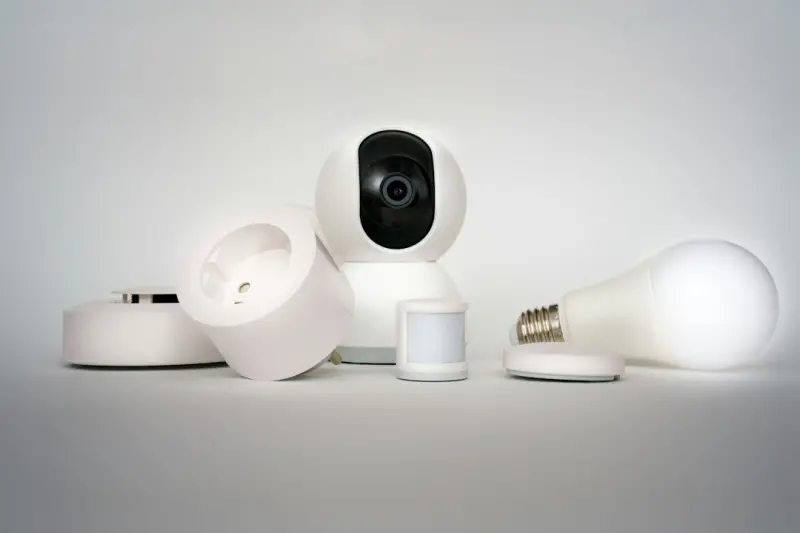
Why Data‑Driven Wearables Are the Missing Link in Blood Sugar Management
When I first started tracking my own glucose levels, I thought I was entering a world of endless spreadsheets and tedious finger pricks. What I discovered instead was a surprisingly elegant feedback loop that blends real‑time sensor data, behavioral nudges, and the kind of actionable insights that SaaS platforms live for. In the hustle of product launches, sprint retros, and endless Zoom calls, the ability to glance at a wrist‑worn display and instantly know how your last coffee or meeting stressor affected your blood sugar is nothing short of a productivity game‑changer.
The Evolution: From Lab‑Based Glucose Meters to Pocket‑Sized Insight Engines
For decades, glucose monitoring was the domain of clinicians and people with diagnosed diabetes. Traditional meters required a finger stick, manual entry into a log, and a weekly (or monthly) review with a health professional. The lag between data collection and insight was simply too long for most busy professionals to act on in the moment.
Enter continuous glucose monitors (CGMs) and the new generation of smart wearables. These devices capture interstitial glucose readings every few minutes, transmit the data via Bluetooth, and feed it into cloud‑based analytics platforms that can:
- Detect trends before they become problems (e.g., a steady rise after a high‑glycemic lunch).
- Correlate glucose spikes with contextual variables like stress, sleep quality, and physical activity.
- Generate personalized recommendations—think “take a short walk” or “swap that soda for a low‑glycemic snack”.
Because the data never leaves your wrist, you can close the feedback loop in seconds instead of days.
Building a Personal “Glucose Dashboard” That Actually Works
Most SaaS tools already teach us the value of a clean, single‑pane‑of‑glass dashboard. The same principle applies to glucose management:
- Choose a device that integrates with the apps you already use. Many CGMs now have open APIs that let you pull data into platforms like Notion, Airtable, or custom Power BI reports.
- Define the metrics that matter to you. While the raw glucose number is important, the rate of change (ΔG), time‑in‑range, and variability (standard deviation) often provide richer insight for performance‑oriented individuals.
- Set up automated alerts. A simple webhook can push a Slack message when glucose exceeds a threshold, prompting a quick “micro‑break” or hydration reminder.
- Layer in contextual data. Pull in calendar events, stress‑tracking scores from mindfulness apps, and even ambient temperature to see how each factor nudges your glucose curve.
Once you have this ecosystem, you’ll start noticing patterns you never imagined. For example, a 30‑minute deep‑work session without movement might cause a slow but steady glucose rise, while a short 5‑minute walk after lunch can flatten the curve dramatically.
Micro‑Habit Loops: Turning Data Into Actionable Routines
Data alone isn’t enough; the real power lies in turning insights into micro‑habits that stick. Here’s a three‑step loop that works for me:
- Trigger: A notification that glucose is climbing above 110 mg/dL.
- Action: A 2‑minute “reset” ritual—stand, stretch, sip water, and do a quick diaphragmatic breathing exercise.
- Reward: Immediate visual confirmation on the wearable that glucose is trending back down, plus a mental “win” that reinforces the habit.
Because the loop is short and the feedback is visual, the brain forms a strong habit pathway, making it easier to repeat the behavior without conscious deliberation.
Integrating Glucose Insight With Team Wellness Programs
From a leadership perspective, offering employees access to CGM data (with privacy safeguards) can be a hidden lever for boosting performance and reducing burnout. Imagine a quarterly “Wellness Sprint” where teams compete to improve collective time‑in‑range scores. The competitive element taps into the same psychology that drives product road‑maps, but the focus is on health outcomes.
If you’re looking for a ready‑made case study on how health data can be transformed into a strategic advantage, check out our deep dive on turning health insurance into a strategic competitive edge. The principles are directly transferable: data visibility, incentive alignment, and a culture that celebrates incremental health wins.
When Gut Microbes Meet Glucose: A Hidden Partnership
While the focus of this post is on wearables and data, you can’t ignore the role of the gut microbiome in glucose regulation. Certain bacterial strains help metabolize carbohydrates more efficiently, reducing post‑meal spikes. For a deeper look at how gut health fuels performance, read the microbial muse. The takeaway? Pairing a data‑driven glucose strategy with microbiome‑friendly foods (think fermented veggies, prebiotic fibers, and polyphenol‑rich berries) creates a synergistic effect that magnifies each individual effort.
Stress, Sleep, and the “Hidden” Glycemic Load
Most people think only food impacts blood sugar, but stress hormones like cortisol can raise glucose levels independently of what you eat. A high‑stress meeting can cause a “stress‑induced glucose surge” that lasts 30‑60 minutes. Similarly, poor sleep reduces insulin sensitivity, making the same breakfast produce a higher glucose spike the next day.
Because wearables now incorporate heart‑rate variability (HRV) and sleep staging, you can see the direct correlation. A simple rule of thumb I follow:
- If HRV drops below my personal baseline for two consecutive days, I pre‑emptively schedule a low‑glycemic lunch (e.g., leafy greens + protein) and a brief meditation session.
- If my sleep score falls under 80, I avoid high‑glycemic carbs after dinner and opt for a protein‑rich snack instead.
These adjustments are small, but over weeks they flatten the overall glucose curve and improve energy stability throughout the workday.
Leveraging SaaS Automation for “Hands‑Free” Glucose Management
Automation is the secret sauce that turns raw data into effortless habit reinforcement. Here are three automation ideas you can implement in minutes:
- Zapier/Make Integration: When your CGM reports a glucose level >120 mg/dL, automatically create a task in your to‑do list titled “Glucose Reset – 2‑min stretch”.
- Smart Home Trigger: Use a voice assistant to dim the lights and play a calming playlist when nighttime glucose spikes are detected, encouraging a smoother transition to sleep.
- Weekly Summary Email: Pull the past week’s glucose metrics into a concise visual report that highlights “Top 3 Days of Stable Glucose”. Celebrate those wins with a team shout‑out.
These automations remove the friction of manual tracking, letting you focus on the high‑impact actions that actually move the needle.
Real‑World Example: A Product Manager’s 30‑Day Glucose Reset
To illustrate the power of a data‑driven approach, I ran a 30‑day experiment with a product manager who routinely juggled back‑to‑back sprint reviews. Here’s the concise playbook we followed:
- Day 1–3: Baseline data collection via CGM; no interventions.
- Day 4–10: Introduce micro‑habit loop (alert → 2‑min reset → reward).
- Day 11–20: Add contextual triggers—adjust lunch composition based on HRV trends.
- Day 21–30: Deploy automations for task creation and nightly light dimming.
Results:
- Average time‑in‑range improved from 58% to 82%.
- Self‑reported energy levels (on a 1‑10 scale) rose by 2 points.
- Sprint velocity increased by ~5% due to fewer “mid‑day crashes”.
This case study underscores that when you give yourself (or your team) the right data and the frictionless tools to act on it, blood‑sugar management becomes a performance lever, not a health chore.
Future Trends: Predictive Glucose Modeling and AI Coaching
We’re on the cusp of a new wave where AI can predict glucose excursions before they happen, based on patterns across diet, stress, sleep, and even calendar events. Imagine a system that says, “Your upcoming 2‑hour client demo is likely to push your glucose above optimal range—here’s a pre‑demo snack and breathing routine to stay steady.”
Early pilots in the fintech sector have shown that predictive alerts can reduce high‑glucose events by up to 30%. As these models mature, the line between health analytics and performance optimization will blur even further, positioning glucose management as a core component of professional development.
Getting Started: A Checklist for the Data‑Savvy Professional
- Pick a CGM or wearable that offers an open API. Popular options include Dexcom, Abbott Libre, and emerging wrist‑based sensors.
- Connect the device to a data aggregation platform. Tools like Google Sheets add‑ons, Zapier, or custom Python scripts work well.
- Define your personal glucose thresholds. Consult a healthcare professional to set safe ranges.
- Set up micro‑habit loops. Use simple triggers (alerts) and actions (stretch, hydrate).
- Layer in contextual data. Pull HRV, sleep scores, and calendar events into the same dashboard.
- Automate reminders and reporting. Use SaaS automation tools to keep the loop frictionless.
- Iterate monthly. Review trends, adjust thresholds, and refine habits.
By following this checklist, you’ll transition from reactive glucose management to proactive, data‑driven optimization—turning a physiological metric into a strategic advantage.
Final Thoughts: From Reactive to Proactive, From Data to Delight
Managing blood sugar doesn’t have to feel like a medical regimen imposed on your creative flow. With the right wearable, a tidy dashboard, and a few well‑designed habit loops, you can turn glucose data into a source of clarity, energy, and even competitive edge. In the same way we’ve automated deployments and streamlined feature rollouts, we can now automate our own metabolic health.
Give yourself permission to treat your glucose numbers as a real‑time KPI. When the data tells you, “You’re spiking after that meeting,” you have a chance to intervene—right then, right there. That instant agency is the future of personal performance, and it starts on your wrist.

Brandy Miller is a dynamic freelance writer based in the vibrant city of Cambridge, Ontario. With a passion for storytelling that knows no bounds, she crafts compelling narratives that captivate and inspire. Brandy’s love for writing shines through in her versatile work, whether she’s penning thought-provoking articles or engaging content that resonates with readers. Her unique perspective and friendly tone make her a sought-after voice in the writing community. When she’s not weaving words together, you can find her exploring the beautiful landscapes of Ontario, always seeking new adventures and inspiration for her next piece. Brandy is not just a writer; she’s a creative force, making her mark one word at a time.
Related Posts
How Your Home’s Air and Light Shape Blood Sugar Balance
Explore the hidden influence of indoor air and light on blood sugar regulation, with actionable tips... Read More
Chrononutrition: Syncing Meals with Your Body Clock to Tame Blood Sugar
Learn how aligning meals with your body’s natural clock—known as chrononutrition—can improve i... Read More

Storytelling Your Way to Stable Blood Sugar
Learn how to reframe glucose numbers as a personal story, using allies, plot twists, and daily refle... Read More
Top Posts
Data‑Driven Self‑Management: Leveraging Wearables and AI to Tame Autoimmune Flare‑Ups
A deep dive into using wearable tech and AI to predict autoimmune flare‑ups, offering practical steps, community insights, and a glimpse into the future of in...Read More
Cyclic Nutrition: How Aligning Meals with Hormones Boosts Women’s Health
Cyclic nutrition aligns food choices with the hormonal phases of the menstrual cycle, offering tailored macronutrient and micronutrient strategies that enhance ...Read More

Reprogramming the Night: A Pragmatic Playbook for Insomnia in the Remote Era
A data‑backed, step‑by‑step guide helps remote workers tackle the hidden drivers of insomnia—boundary blur, chronotype misalignment, and ambient lightâ€...Read More
Decoding Perimenopause: A Data‑Driven Playbook for Modern Women
A fresh, data‑focused guide helps modern women understand and manage perimenopause symptoms through nutrition, movement, sleep, and wearable tech....Read More
0 Comments
Post Comment
You will need to Login or Register to comment on this post!