
Why a Plot of Earth Can Be the Best Therapist
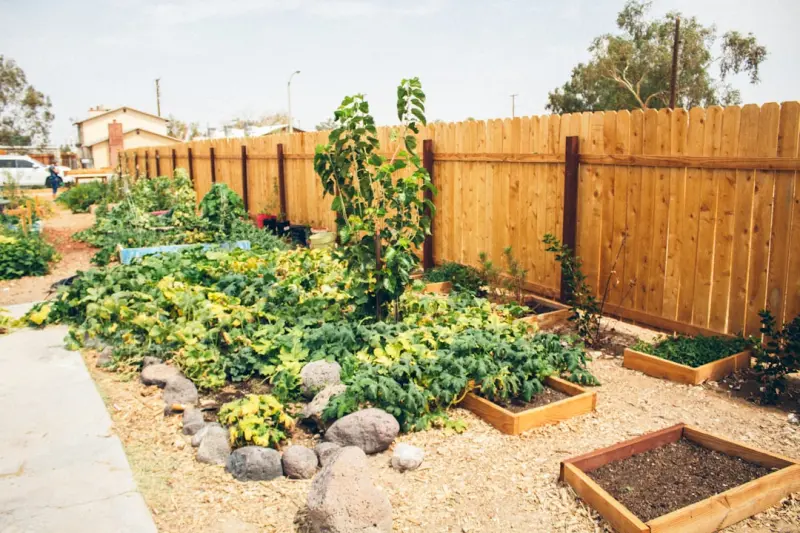
When I first walked into a community garden two summers ago, I expected fresh herbs and a place to snap a few Instagram‑ready photos. What I didn’t anticipate was the quiet ripple that began in my mind, the subtle loosening of a knot that had been tightening for years. The scent of soil, the rhythm of watering, the low‑hum of shared conversation—these elements combined into a surprisingly potent mental health remedy.
The Unseen Neuroscience of Soil
Research on “soil‑derived microbes” has exploded in the past decade, revealing that exposure to the bacteria living beneath our feet can stimulate the production of serotonin, the brain’s “feel‑good” neurotransmitter. One study showed that gardeners experienced a 20% rise in mood scores after just thirty minutes of digging, a boost comparable to a short walk in nature but with a stronger sense of purpose.
What makes this effect unique is the hands‑on nature of gardening. Unlike passive exposure to a park, tending a plot engages proprioception (our sense of body position), fine motor skills, and decision‑making—all of which light up neural pathways associated with executive function and emotional regulation.
From Solo Hobby to Community Anchor
It’s easy to think of gardening as a solitary pursuit, but the most powerful mental health gains come when it’s done collectively. Community gardens create a shared narrative: a plot of earth that belongs to everyone yet is cultivated by each individual. This shared ownership builds a sense of belonging that counters the isolation many of us feel in a hyper‑connected yet emotionally distant digital world.
In practice, a simple “good morning” exchanged over compost bins can evolve into deeper conversations about stress, work, and personal goals. The garden becomes a neutral ground where vulnerability feels safe because the focus is on the plants, not on the person speaking.
Seasonal Light, Plant Cycles, and Mood
We often overlook how the changing seasons affect our mental state. The Light Switch Inside: Aligning Seasonal Daylight with Autoimmune Health explored how daylight influences physiology. In a garden, you literally watch those cycles unfold: buds burst in spring, fruits mature in summer, leaves fall in autumn, and the soil rests in winter.
This visual representation of impermanence teaches acceptance. As the garden adapts, so does your brain, learning to anticipate change without catastrophizing. The rhythmic exposure to natural light while working outdoors also helps regulate circadian rhythms, which in turn stabilizes mood and reduces anxiety.
From Screens to Soil: Reclaiming Mental Space
If you’ve ever read When Screens Hijack Your Hormones, you know how relentless digital notifications can hijack our stress response. Swapping even a fraction of that screen time for soil time provides a physiological reset.
Consider a “digital‑detox garden hour” each day: turn off notifications, put the phone in a drawer, and step outside. The tactile feedback of soil—its coolness, its texture—gives the brain a concrete, grounding sensation that no app can replicate. Over weeks, you’ll notice reduced cortisol spikes and a calmer baseline.
Getting Your Hands Dirty: Practical Steps to Start
- Find a local plot. Many cities offer free or low‑cost community garden spaces. If none exist, start a micro‑garden on a balcony or windowsill.
- Pick low‑maintenance plants. Herbs like mint, basil, and rosemary are forgiving and provide immediate sensory rewards.
- Set a schedule. Consistency is key. Even fifteen minutes a day creates a habit loop that your brain begins to associate with relaxation.
- Bring a journal. Write down observations—how the soil feels, what emotions arise, any shifts in mood. This creates a feedback loop that reinforces the mental health benefits.
- Invite a friend. Shared experiences amplify the sense of community and accountability.
Overcoming Common Barriers
“I don’t have a green thumb.” This myth stops many people from trying. The truth? The brain is far more adaptable than your gardening skill set. Start with simple tasks—watering, weeding, or just observing—and let confidence grow.
“I’m too busy.” The beauty of gardening is its scalability. A single potted plant on a windowsill requires less than five minutes of care a day, yet still delivers sensory and mood benefits.
“I’m not sure where to start.” Most community gardens have volunteer coordinators eager to mentor newcomers. Reach out, ask for a starter kit, or join a beginner’s workshop.
Real Stories: From Burnout to Bloom
Take Maya, a senior software engineer who felt her anxiety spiraling after months of remote work. She joined a local garden and, after three months, reported a 40% reduction in her self‑reported anxiety levels. Her secret? She scheduled a “soil break” during her lunch hour, using that time to tend to tomatoes and talk with fellow gardeners about everything from code bugs to weekend plans.
Another example is Jamal, a freelance graphic designer who struggled with depressive episodes during the winter months. By aligning his garden work with sunrise, he harnessed natural light, which helped stabilize his mood when daylight was scarce. He now credits the garden’s seasonal rhythm for giving him a tangible anchor during the darkest weeks.
Integrating Garden Practices Into Everyday Life
Even when you can’t be physically present in a garden, you can adopt its mental health principles:
- Micro‑mindful pauses. Take a five‑second breath and imagine the feel of soil between your fingers.
- Growth mindset reminders. Just as plants push through obstacles, remind yourself that challenges are opportunities for growth.
- Community sharing. Join online forums or local meet‑ups where gardeners exchange tips; the social interaction mirrors the in‑garden camaraderie.
Conclusion: A Sustainable Prescription
While therapy, medication, and mindfulness practices remain essential tools in mental health care, community gardening offers a low‑cost, accessible, and deeply human supplement. It grounds us in the present, connects us to a supportive network, and reminds us that growth—both botanical and emotional—is a continuous, cyclical process. So, roll up your sleeves, dig into the earth, and let the garden become your mind’s new sanctuary.

Nikki McDonald is a freelancer based in Waterloo. She brings her skills and expertise to various projects, balancing her professional work with a personal life that includes her husband, Stewart.
Related Posts

Reclaiming Mental Space: Micro‑Rituals for a Fog‑Free Mind
Learn how tiny, intentional pauses—like a four‑second breath reset and a 60‑second digital sun... Read More

Digital Dawn: Reclaiming Calm in a Hyper‑Connected World
A pragmatic guide to protecting mental well‑being amidst constant connectivity, featuring micro‑... Read More

Mental Microbreaks: Tiny Pauses, Massive Gains
A deep dive into mental microbreaks reveals how brief, intentional pauses—combined with visual res... Read More
Top Posts

Physiotherapy Trends 2024: Tammy French’s Holistic Blueprint for Movement Mastery
Tammy French shares a fresh, holistic take on physiotherapy, blending movement mastery, nutrition, and community to transform pain into thriving motion....Read More

Cold Showers & Breathwork: A New Frontier for Blood Sugar Management
Explore a practical daily protocol that combines cold showers and structured breathing to improve insulin sensitivity, reduce glucose spikes, and enhance overal...Read More

The Narcoleptic Edge: Turning Sudden Sleep Into Creative Gold
Learn to transform involuntary sleep attacks into powerful creative insights with a practical toolkit that includes instant note‑taking, biofeedback tracking,...Read More

Digital Sabbatical: Reclaiming Health in a Screen‑Saturated World
A practical guide for men to reset their health by embracing digital sabbaticals, cold showers, and intentional breathing, leading to better sleep, mood, and ho...Read More
0 Comments
Post Comment
You will need to Login or Register to comment on this post!