
Longevity isn’t just a biological lottery; it’s a habit‑forming, mindset‑driven practice that can be cultivated at any age. While most conversations orbit around supplements, sleep hacks, or the latest anti‑aging cream, I’ve found the most profound lever lies in the way we continuously challenge the brain and the body to stay curious, adaptable, and socially engaged. In this piece, I’ll unpack three under‑appreciated pillars—purposeful learning, adaptive stress, and community reciprocity—and show how weaving them together can extend not just years, but the quality of those years.
1. Purposeful Learning: Turning Curiosity into Cellular Fuel
When you think about the brain’s role in longevity, the first image that often pops up is a senior reading the newspaper or doing crossword puzzles. That’s valuable, but it’s only the tip of the iceberg. Real neuroprotective growth happens when we step outside our comfort zones and acquire genuinely new skills.
Research on neurogenesis demonstrates that novel, effortful learning triggers the release of brain‑derived neurotrophic factor (BDNF), a protein that supports the survival of existing neurons and encourages the formation of new connections. BDNF doesn’t care whether you’re mastering a new language, learning to code, or picking up a musical instrument—it responds to the very act of grappling with the unknown.
Here’s a simple framework to make learning a longevity habit:
- Set micro‑goals. Rather than “learn Spanish,” aim for “memorize ten new verbs this week.” Small, measurable targets keep the dopamine reward loop active.
- Mix modalities. Combine visual, auditory, and kinesthetic inputs. For example, listen to a podcast on astrophysics while sketching related diagrams.
- Teach what you learn. Explaining a concept to someone else solidifies your own understanding and adds a social dimension that further boosts neuroplasticity.
When you embed this cycle into daily life, you’re not just keeping your mind sharp—you’re feeding the body’s repair mechanisms. The stress of learning stimulates mild oxidative stress, which paradoxically prompts the body to up‑regulate its antioxidant defenses, a process known as hormesis.
Speaking of hormesis, the next pillar expands on that concept.
2. Adaptive Stress: The Sweet Spot Between Comfort and Challenge
We often hear the mantra “stress is bad for you,” yet that blanket statement overlooks the nuance of adaptive stress. The body is wired to thrive when exposed to brief, controlled stressors that it can overcome. Think of it as the fitness equivalent for the nervous and immune systems.
Two categories dominate adaptive stress research:
- Thermal Stress. Short exposures to cold (think a 2‑minute cold shower) or heat (a sauna session) activate mitochondrial biogenesis, improve insulin sensitivity, and up‑regulate heat‑shock proteins that protect cells from damage.
- Metabolic Stress. Intermittent fasting, time‑restricted eating, or even strategic carbohydrate cycling create metabolic “gaps” that force cells to tap into fat stores and improve autophagy—the cellular cleanup crew.
The key is balance. Over‑exposure leads to burnout; under‑exposure yields no adaptation. A practical schedule might look like:
- Monday, Wednesday, Friday: 5‑minute cold immersion at the start of the day.
- Tuesday, Thursday: 20‑minute sauna after evening workout.
- Saturday: 12‑hour fast (dinner to breakfast).
- Sunday: Full rest and gentle movement (yoga or walking).
These micro‑stressors keep the body in a state of “ready, but not exhausted,” prompting continuous renewal of cellular components.
If you’re curious about how nutritional choices intersect with these stressors, the article Nutrient Pairing for Peak Performance offers a deep dive into how specific food combinations can amplify the benefits of metabolic stress.
3. Community Reciprocity: Social Networks as Longevity Engines
Human beings evolved as part of tightly knit groups. Modern life, with its digital isolation, has frayed many of those connections, and the health fallout is stark. Longevity studies consistently rank strong social ties as one of the top predictors of a long, healthy life—sometimes even outpacing smoking status or physical activity.
But it’s not just the presence of friends; it’s the quality of exchange. Reciprocal relationships—where you both give and receive support—stimulate oxytocin release, lower cortisol, and reinforce a sense of purpose. The act of mentoring, volunteering, or simply sharing a hobby creates a feedback loop that nurtures mental resilience.
Here are three actionable ways to embed reciprocity into your routine:
- Mentor a junior colleague or student. The act of explaining concepts solidifies your own knowledge while giving the mentee confidence.
- Join a skill‑exchange circle. Trade a language lesson for a cooking class. The mutual learning environment builds bonds and keeps the brain engaged.
- Volunteer for cause‑aligned projects. Whether it’s community gardening or a local literacy program, aligning purpose with service maximizes emotional reward.
Notice how each of these suggestions also feeds back into purposeful learning and adaptive stress, creating a synergistic triad that fuels longevity from multiple angles.
4. Integrating the Pillars: A Sample Week
To illustrate how these concepts coalesce, let’s walk through a realistic week for a busy professional:
- Monday – Start with a 5‑minute cold shower, then spend 20 minutes on a language app (goal: 5 new words). In the evening, attend a virtual book club where you discuss the month’s reading, offering insights and learning from others.
- Tuesday – After a morning workout, take a 20‑minute sauna. Lunch is a plant‑based meal paired strategically (see Nutrient Pairing for Peak Performance) to support recovery. After work, mentor a junior colleague on a project challenge.
- Wednesday – Fast from dinner to breakfast (12‑hour fast). Use the morning commute to listen to a podcast on cognitive psychology, then jot down three takeaways to share at a team huddle.
- Thursday – Repeat the sauna routine. In the evening, host a skill‑swap session with neighbors—teach basic coding while learning a new herb from a gardening enthusiast.
- Friday – Cold immersion, followed by a brief meditation focusing on gratitude. Attend a community volunteer event—perhaps a local park clean‑up, which provides mild physical activity and social interaction.
- Saturday – Full rest day with a gentle hike, emphasizing exposure to natural light and varied terrain (adaptive physical stress). Reflect on the week’s learning and plan next week’s micro‑goals.
- Sunday – No structured stressors; enjoy a leisurely brunch with family, fostering deep social bonds that reinforce emotional well‑being.
This schedule demonstrates how a few minutes each day, when aligned with purpose, stress adaptation, and reciprocity, can create a compounded longevity effect.
5. The Science Behind the Synergy
When these three pillars intersect, they trigger a cascade of molecular events:
- Enhanced Autophagy. Adaptive stress initiates cellular cleanup; learning provides the metabolic fuel to support this process.
- Elevated BDNF and Oxytocin. Novel learning spikes BDNF, while social reciprocity boosts oxytocin. Together, they improve synaptic plasticity and reduce neuroinflammation.
- Epigenetic Reset. Repeated exposure to mild stressors and enriched environments can lead to beneficial epigenetic modifications—think “turning on” longevity genes like FOXO3 and “turning off” pro‑aging pathways.
For readers interested in organ‑specific resilience, consider exploring The Liver’s Quiet Power. A healthy liver efficiently processes metabolic byproducts generated during fasting and thermal stress, acting as a central hub for systemic detoxification.
By understanding and deliberately shaping these biological undercurrents, you move from a passive “aging” mindset to an active “longevity engineering” stance.
6. Overcoming Common Barriers
Many people balk at the idea of integrating these practices, citing time constraints, fear of discomfort, or social anxiety. Here’s how to dismantle each objection:
- Time. The micro‑stressors described require less than five minutes. Batch them into existing routines—pair a cold shower with morning brushing, or a sauna session with post‑workout stretching.
- Discomfort. The “pain” of a cold splash or a fasting window is transient. Start with half the suggested duration and gradually increase as your tolerance builds.
- Social Anxiety. Begin with low‑stakes interactions—online forums, virtual meetups, or one‑on‑one coffee chats. The reciprocity model ensures you’re both giving and receiving, which eases pressure.
Remember, the goal isn’t perfection but consistent, incremental exposure to the three longevity drivers.
7. Measuring Progress Without Obsessing Over Numbers
Traditional health metrics—weight, cholesterol, blood pressure—remain valuable, but they don’t capture the nuanced benefits of purposeful learning and social reciprocity. Instead, consider qualitative markers:
- Mentally: Ability to recall new information after a week, or feeling energized after a conversation.
- Emotionally: Frequency of positive affect, reduced rumination, and a sense of purpose.
- Physically: Recovery time after a brief stressor (e.g., how quickly your heart rate normalizes post‑cold shower).
Journaling these observations can reveal trends that pure data points miss, reinforcing motivation and allowing you to fine‑tune your routine.
Conclusion: A Longevity Blueprint That Grows With You
The journey toward a longer, richer life isn’t a one‑size‑fits‑all prescription. By embracing purposeful learning, calibrated adaptive stress, and reciprocal social engagement, you create a self‑reinforcing system that adapts as you age. The beauty lies in its scalability—you can start with a single 5‑minute cold splash and a weekly language lesson, then expand outward as comfort builds.
In a world obsessed with quick fixes, the most sustainable longevity strategy is a lifestyle of curiosity, challenge, and connection. Start today, and watch not just the years, but the vibrancy of each year, stretch before you.

William Roy is a freelance writer originally from Montreal who moved to Ottawa with his wife of 50 years to be closer to their grandkids. Alongside his writing, William has a passion for fishing.
Related Posts
The Hidden Longevity Hack: Building a Brain Fitness Routine for Busy Professionals
A practical guide shows busy professionals how to boost longevity by treating their brain like a hig... Read More
Beyond Diet: The Hidden Systems That Extend Your Lifespan
Tom Ferguson reveals how optimizing lymphatic flow, off‑loading mental clutter, and embracing neur... Read More
Rethinking Longevity: The Power of Adaptive Rhythm in Modern Workflows
A data‑driven approach to longevity that blends adaptive work rhythms, micro‑variability, and pu... Read More
Top Posts
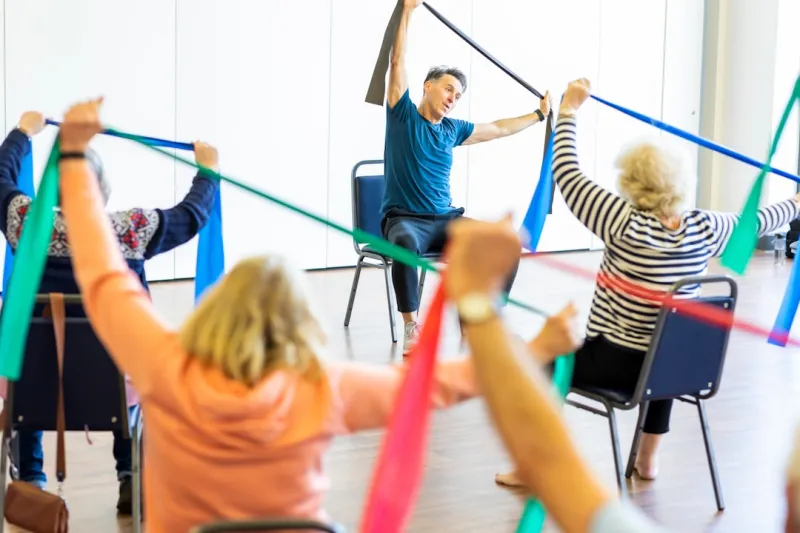
The Impact of Exercise on Mental Health in Seniors
Exercise plays a critical role in promoting mental health in seniors, reducing symptoms of depression and anxiety, and improving cognitive function. Learn more ...Read More
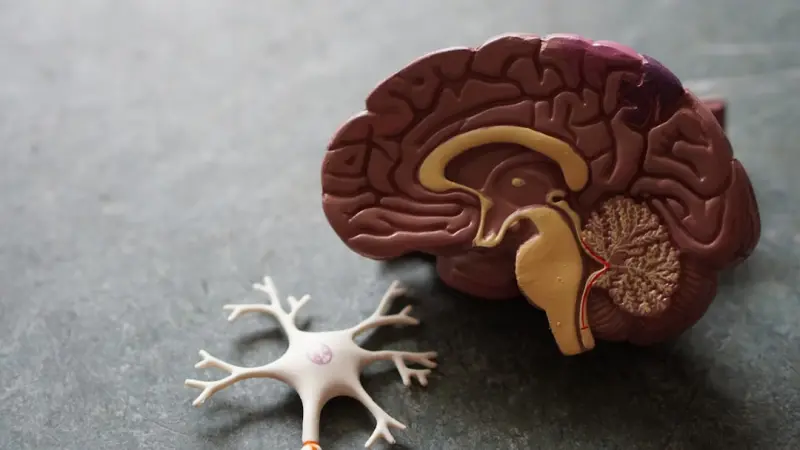
Brain‑Gym for Longevity: How Continuous Learning Fuels a Longer Life
Explore the emerging science that links deliberate learning and neuroplasticity to cellular repair, offering a practical “brain‑gym” framework that comple...Read More
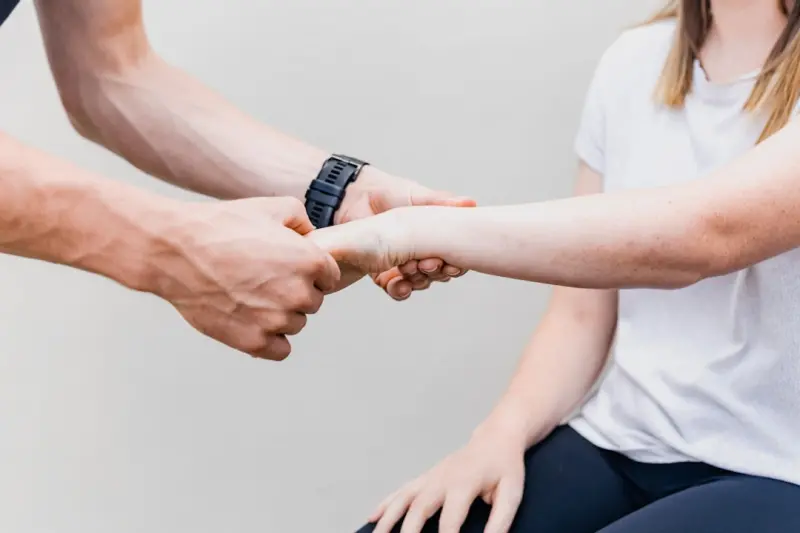
Reimagining Physiotherapy: The Rise of Digital Motion Coaching
Digital motion coaching blends wearable sensors, AI analysis, and interactive platforms to extend physiotherapy beyond the clinic, offering real‑time feedback...Read More
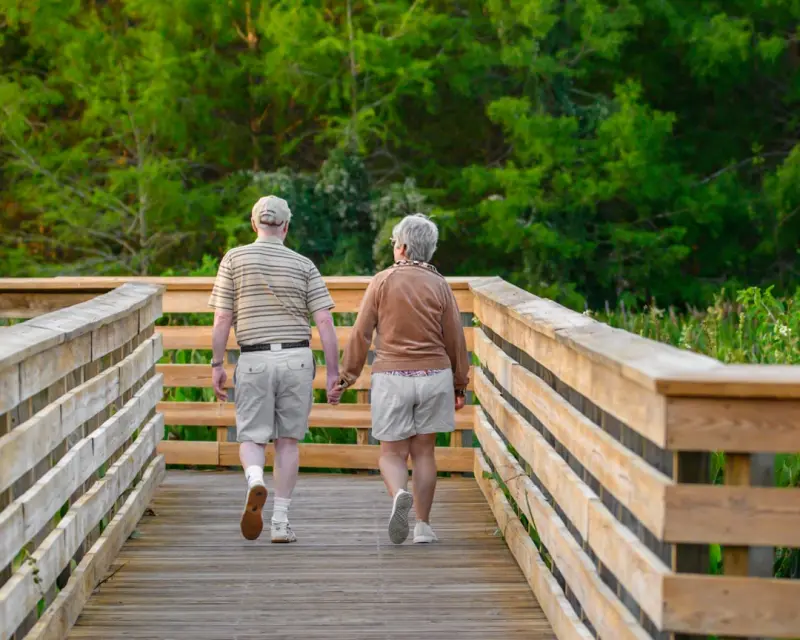
Tiny Trips, Big Gains: Redefining Healthy Aging Through Weekly Micro‑Adventures
Micro‑adventures—short, intentional outings—combine movement, curiosity, and social connection to enhance physical, mental, and emotional health, providin...Read More
0 Comments
Post Comment
You will need to Login or Register to comment on this post!