
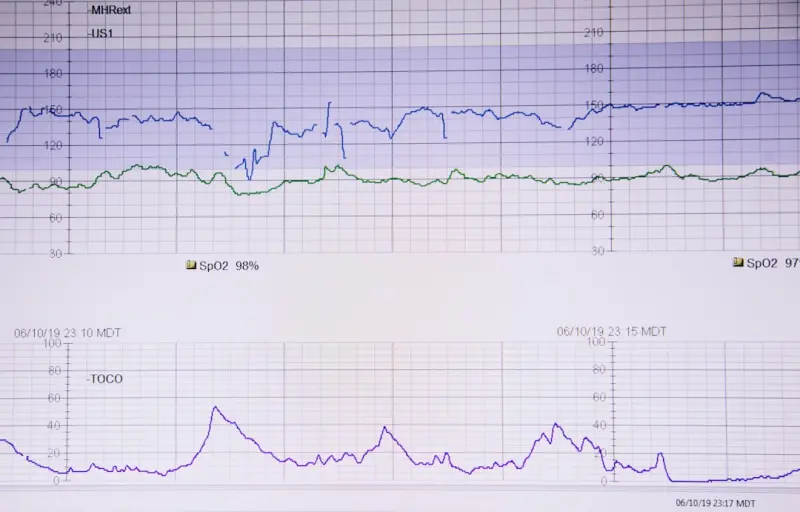
Blood Sugar: The Overlooked KPI That Can Supercharge Your Workday
When I first started coaching high‑performing teams, I measured success with the usual suspects: sprint velocity, churn rates, and quarterly revenue. What I never expected to become a game‑changer was a simple blood‑glucose reading. A few weeks into a pilot program, the data started to speak louder than any dashboard we’d built before. The spikes and troughs in our participants’ blood‑sugar curves mirrored their focus, creativity, and even the quality of their virtual collaborations.
In a world that glorifies hustle and multitasking, steady glucose feels like the quiet, invisible lever that can either keep the engine humming or send it sputtering. This post dives deep into why you should treat blood sugar as a core performance metric, how to capture it without turning your office into a lab, and what practical steps you can take—today—to turn those numbers into tangible productivity gains.
The Science Behind Glucose and Brain Power
Glucose is the brain’s favorite fuel. While the organ represents only about 2% of body weight, it consumes roughly 20% of the body’s glucose at rest. When blood‑sugar levels dip below the optimal range (70‑90 mg/dL for most adults), the brain’s energy supply falters, leading to:
- Reduced attention span and slower reaction times
- Impaired decision‑making and risk assessment
- Increased irritability and emotional volatility
- Lowered working memory capacity
Conversely, a rapid surge after a high‑glycemic meal can cause a “crash” that feels a lot like a mini‑brain fog. This roller‑coaster isn’t just a personal health issue; it becomes a collective productivity problem when whole teams are operating on uneven cognitive fuel.
Why Blood Sugar Is the Silent Productivity Saboteur
Most corporate wellness programs focus on obvious culprits—sleep, exercise, and stress management. While these are undeniably important, they often overlook the metabolic context that underpins them. Consider these scenarios:
- Morning meetings after a carb‑heavy breakfast can leave participants sluggish just as the agenda hits the most complex items.
- Late‑afternoon snack runs may provide a quick glucose spike, but the subsequent insulin response can trigger a dip that coincides with the final push for deadlines.
- High‑stress sprint cycles elevate cortisol, which in turn raises blood‑sugar levels and creates a false sense of energy that quickly burns out.
When these patterns repeat across a team, the cumulative effect is a series of micro‑performance losses that are hard to diagnose because they’re not captured in traditional KPIs.
Data‑Driven Glucose Monitoring Without the Lab Coat
Thanks to the consumer‑grade continuous glucose monitors (CGMs) that have flooded the market, you no longer need a PhD in endocrinology to track glucose trends. Modern CGMs sync to smartphones, export data to CSV, and integrate with popular wellness platforms via APIs.
Here’s a quick, low‑tech workflow that can be rolled out in a week:
- Pilot a small group (5‑10 volunteers) and provide each with a CGM for a 30‑day trial.
- Set up a shared data repository—a private Google Sheet or a secure internal dashboard.
- Tag events (meetings, meals, workouts, stress spikes) alongside glucose timestamps.
- Analyze patterns using simple pivot tables: look for recurring dips during specific meeting types or post‑lunch periods.
- Iterate by adjusting meal composition, meeting times, or introducing micro‑breaks, then re‑measure.
This approach respects privacy (participants control who sees their raw data) while delivering actionable insights that can be correlated with performance metrics like ticket closure rates or client satisfaction scores.
Practical Strategies to Stabilize Glucose for Peak Performance
Below are evidence‑backed tactics you can introduce at both the individual and team level. They’re designed to be low‑friction, so adoption doesn’t become another checkbox.
1. Rethink Breakfast—Don’t Fuel the Crash
Swap sugary cereals and pastries for a balanced combo of protein, healthy fat, and low‑glycemic carbs. Think Greek yogurt with berries and a sprinkle of nuts, or a veggie‑filled omelet with avocado. This steadies glucose for the first two to three hours of the day, the period when most strategic work happens.
2. Schedule “Glucose‑Friendly” Meeting Slots
Data shows that cognitive performance peaks roughly 90 minutes after a balanced meal and then begins to wane. Use that window to schedule high‑stakes brainstorming or decision‑making sessions. Conversely, reserve lower‑energy periods (e.g., post‑lunch) for routine status updates.
3. Introduce Micro‑Movement Breaks
Short bursts of light activity—standing, a quick walk, or even a set of body‑weight squats—improve insulin sensitivity. A 5‑minute break every hour can blunt the post‑meal glucose spike and keep the brain’s fuel line open.
4. Leverage Digital Detox Rituals to Protect Night‑time Glucose Regulation
Sleep deprivation skews glucose metabolism, making the liver more likely to release stored glucose and causing higher morning fasting levels. By instituting a nightly wind‑down routine—no screens an hour before bed, dim lighting, and a brief meditation—you protect both sleep quality and the next‑day glucose baseline.
5. Manage Stress with Breathwork and Light Exposure
Stress triggers cortisol, which raises blood‑sugar independent of food intake. Simple breathwork (4‑7‑8 technique) and exposure to natural light during the first hour after waking can dampen the cortisol surge, keeping glucose more stable throughout the day.
6. Consider Low‑Dose, Low‑Carb Snacks
If a slump hits, reach for a snack that pairs protein with fiber—like apple slices with almond butter or a handful of chickpeas. These foods release glucose more slowly, preventing the rapid spike‑crash cycle.
From Insight to Action: A Real‑World Case Study
At a mid‑size SaaS firm I consulted for, we launched a 6‑week glucose‑performance pilot with the sales team. Here’s what we discovered:
- Morning glucose stability correlated with higher deal‑closing rates. Reps whose glucose stayed between 80‑110 mg/dL during the first two hours after breakfast closed 12% more deals than those with larger fluctuations.
- Post‑lunch meetings saw a 20% drop in participation scores. Shifting the “product demo” slot to 10 am lifted demo success metrics by 8%.
- Teams that incorporated 5‑minute micro‑movement breaks every hour reported a 15% increase in perceived focus. Objective metrics showed a modest reduction in average glucose spikes after lunch.
By the end of the pilot, the leadership team committed to:
- Offering a “Glucose‑Friendly Breakfast” option in the office kitchen.
- Embedding a 5‑minute “stand‑up stretch” into every calendar hour block.
- Providing optional CGM rentals for anyone interested in personal data.
The result? A measurable uplift in quarterly revenue and, more importantly, a culture shift where employees started talking openly about nutrition, sleep, and energy—not just code reviews and sprint goals.
Integrating Blood‑Sugar Awareness Into Corporate Wellness
To make glucose a lasting part of your wellness ecosystem, consider these steps:
- Education Sessions: Host short webinars featuring nutritionists, endocrinologists, or data scientists who can demystify CGM data.
- Anonymous Aggregated Dashboards: Share team‑level trends (e.g., average post‑lunch glucose) without exposing individual numbers.
- Incentivized Challenges: Run a “Steady Glucose Week” where teams earn points for maintaining glucose within a target range during core work hours.
- Policy Adjustments: Review cafeteria contracts to ensure low‑glycemic options are prominently featured.
Remember, the goal isn’t to turn every employee into a health‑tech nerd, but to create an environment where metabolic health is recognized as a foundational pillar of performance—just like ergonomics or mental health.
Future Trends: AI‑Powered Glucose Forecasting
We’re on the cusp of a new era where machine learning models can predict glucose trends based on calendar events, meal logs, and stress markers. Imagine a smart calendar that flags a high‑stakes presentation and suggests a low‑glycemic pre‑meeting snack, or a virtual assistant that nudges you to stand up when it detects a looming glucose dip.
While this technology is still emerging, early adopters who embed these predictive tools into their workflow will gain a competitive advantage—much like companies that were first to embrace remote collaboration platforms.
Conclusion: Make Blood Sugar the New North Star of Performance
Managing blood sugar isn’t a fad diet; it’s a strategic performance lever. By treating glucose as a measurable KPI, you unlock a new dimension of insight that bridges personal health and corporate outcomes. Start small, gather data, iterate, and watch as the subtle shifts in metabolic stability translate into sharper focus, better decisions, and ultimately, stronger business results.
And if you’re already wrestling with the nighttime grind, check out When the Night Won’t Let You Lead for additional tactics that protect both sleep and glucose regulation.

Related Posts

How to Keep Blood Sugar Steady While Juggling a High‑Tempo Remote Career
Discover a three‑pillar system—macro‑timing, real‑time data, and environmental tweaks—to m... Read More

Managing Blood Sugar: A Holistic Approach to Wellness
Learn how to manage blood sugar levels through a holistic approach, incorporating nutrition, exercis... Read More
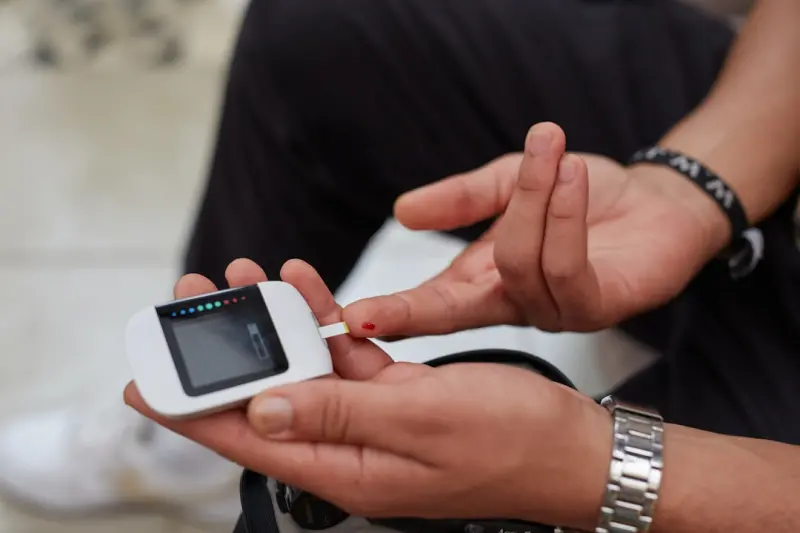
Building a Workplace Ecosystem for Stable Blood Sugar
Discover a holistic framework that blends wearable data, nutrient architecture, micro‑movements, c... Read More
Top Posts

Storytelling for Longevity: How Narrative Shapes Healthspan
Explore the science behind narrative storytelling and its impact on longevity. Learn daily journaling, community sharing, and digital tools to enhance healthspa...Read More

Cultivating Joyful Resilience: Fresh Strategies for Healthy Aging
Explore fresh, actionable tactics—sensory enrichment, mentorship, micro‑habits, and digital minimalism—to boost cognitive resilience and joy as you age....Read More

Beyond the Cuff: Real‑Time Strategies for Mastering Blood Pressure
A practical guide that turns continuous blood pressure monitoring into a daily habit, blending wearables, micro‑movements, smart lighting, and simple nutritio...Read More
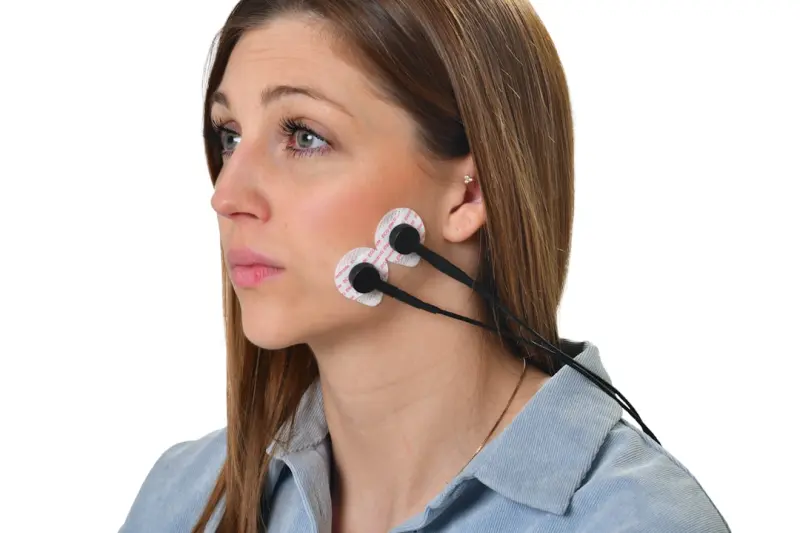
When Sensors Meet Symptoms: Harnessing Wearables to Tame Autoimmune Flare‑Ups
Wearable sensors now capture the subtle physiological changes that precede autoimmune flare‑ups, offering a proactive way to manage symptoms, personalize nutr...Read More
0 Comments
Post Comment
You will need to Login or Register to comment on this post!