

Rethinking the Narrative of Growing Older
For far too long, the conversation around getting older has been dominated by fear‑based headlines that spotlight decline, loss, and disease. Healthy aging is better framed as an intentional, joyful expansion of capacity, where each decade offers new avenues for curiosity and mastery. In my own journey I’ve learned that the most profound shifts happen when we replace scarcity‑mindsets with a sense of abundant possibility, treating every day as a laboratory for thriving.
The Power of Sensory Enrichment
Our senses are the gateway to neuroplastic change, yet they’re often the first to be neglected as we age. By deliberately curating rich olfactory, auditory, and tactile experiences—like savoring fresh herbs, listening to unfamiliar music, or practicing textured meditation—we stimulate brain regions that guard memory and mood. Research shows that such multisensory routines can slow cognitive drift, making the simple act of noticing a potent anti‑aging tool.
Intergenerational Mentorship as a Longevity Engine
Connecting with younger generations does more than fill social calendars; it creates a feedback loop of purpose and mental agility. When older adults share stories, skills, or even jokes with teens, they activate narrative networks and reinforce identity, while the younger participants benefit from wisdom and perspective. I’ve found that a weekly “story swap” with a local high‑school club not only brightens my days but also sharpens my recall and empathy.
Micro‑Habits That Sculpt Brain Plasticity
Instead of grand, infrequent projects, I champion bite‑size cognitive challenges that can be woven into daily life. Learning a single new word each morning, solving a quick puzzle during coffee breaks, or doodling a miniature map of a childhood neighborhood each evening each engage the hippocampus in a low‑stress, sustainable manner. Over weeks, these micro‑habits compound, producing a measurable boost in fluid intelligence without the overwhelm of marathon study sessions.
Timing Nutrition with Your Internal Clock
Eating in sync with circadian rhythms is a silent lever for longevity, aligning metabolic pathways with daylight cues. By concentrating calories earlier in the day and allowing a gentle fast after dinner, we support cellular repair and hormone balance, which translates into clearer skin, steadier energy, and better sleep. For a deeper dive on rhythm‑based health strategies, see Harnessing Social Rhythm: A New Frontier in Longevity, which explores how daily patterns can be fine‑tuned for optimal vitality.
Movement Beyond the Gym: Posture and Micro‑Mobility
Traditional exercise regimens are valuable, but the subtler art of posture correction and micro‑mobility often goes unnoticed in aging circles. Simple practices—like “micro‑stand” breaks every hour, gentle spine twists while waiting for the kettle, or mindful heel‑to‑toe walks around the kitchen—keep joints lubricated and proprioception sharp. Over time these tiny adjustments reduce fall risk and preserve a sense of bodily confidence that many think is only possible in youth.
Digital Minimalism for Mental Clarity
Our devices bombard us with endless notifications, fragmenting attention and accelerating mental fatigue. Implementing a daily “digital sunset,” where screens are dimmed or turned off an hour before bedtime, restores the brain’s natural down‑regulation processes and improves dream quality. I’ve adopted a “one‑in‑one‑out” rule for apps, keeping only tools that truly enrich my life, and the resulting mental space feels like an unexpected gift.
Storytelling as a Purpose‑Fuel
Humans are wired to make sense of the world through narrative, and sharing personal milestones can reinforce a sense of meaning. Maintaining a living journal—whether written, audio, or video—creates a repository of achievements, challenges, and lessons that can be revisited during low‑energy periods for motivation. When these stories are shared in community gatherings, they also weave a collective tapestry that strengthens social bonds and combats isolation.
Bridging Metabolism and Brain Health
Metabolic stability is not just a concern for weight management; it directly influences cognitive resilience. Fluctuations in blood glucose can impair neuronal signaling, leading to foggy thinking and mood swings. To understand how glucose regulation supports brain health, explore Mastering Blood Sugar: A Conversational Approach to Glucose Stability, which outlines practical steps to keep energy steady without restrictive dieting.
Actionable Roadmap for a Vibrant Later Life
Putting these concepts into practice begins with a simple audit: list your current sensory habits, mentorship opportunities, micro‑movement routines, and digital usage patterns. Next, set three achievable tweaks for the coming month—perhaps adding a new scent to your evening routine, scheduling a coffee chat with a student, or instituting a 5‑minute standing break each hour. Track progress in a journal, celebrate small wins, and revisit the plan quarterly, allowing the roadmap to evolve as you uncover new sources of joy and vitality.

Tom Ferguson is a Canadian freelance writer with a passion for storytelling, current events, and thoughtful commentary. Drawing on years of writing experience, he shares engaging insights on a wide range of topics, bringing a uniquely Canadian perspective to his work.
Related Posts
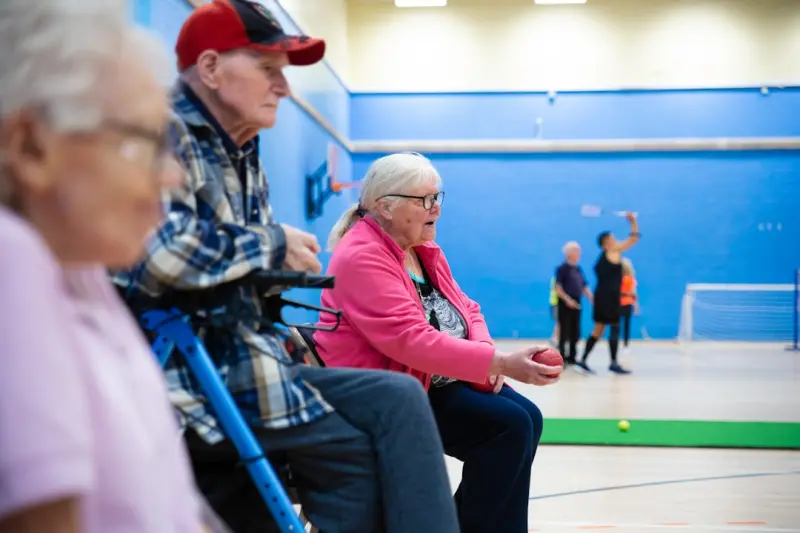
Reimagining Healthy Aging Through Community, Flavor, and Story
Explore a new aging roadmap: weekly flavor circles, intergenerational mentorship, and story walks th... Read More

How Small Home Tweaks Can Supercharge Healthy Aging
A practical guide shows how lighting, flooring, furniture layout, technology, and nature integration... Read More

Cognitive Gym: How Learning and Community Keep Your Brain Young
Explore the power of neuroplasticity, purposeful learning, and rich social ties as the ultimate stra... Read More
Top Posts
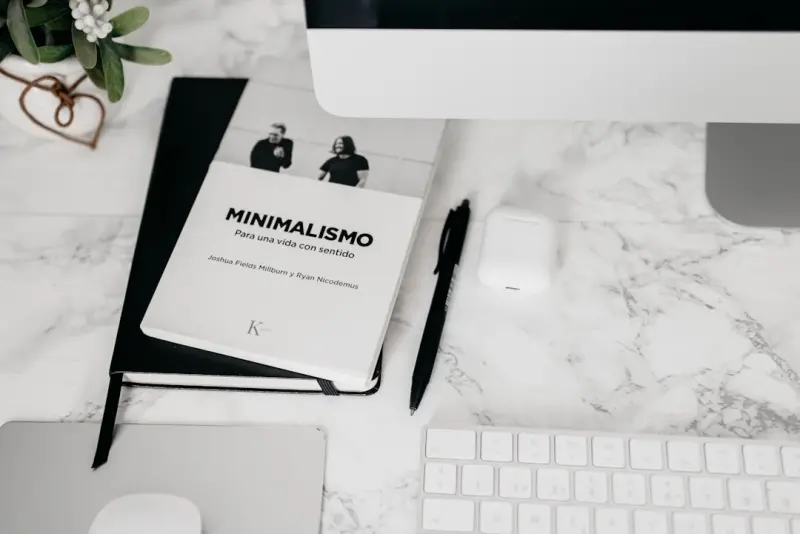
Digital Minimalism: The Unexpected Longevity Lever
A deep dive into how constant screen time accelerates aging and how intentional digital minimalism—through structured breaks, notification control, and light ...Read More

Nurturing the Newborn Microbiome: Simple Strategies for Lifelong Health
Early gut health shapes a child's immune, metabolic, and neurological development. Learn actionable ways—breastfeeding, skin contact, home tweaks, and ferment...Read More
Turning Your Environment into a Fat‑Burning Ally
Explore a fresh weight‑loss strategy that leverages cooler ambient temperatures, habit stacking, micro‑movements, and sensory cues to boost metabolism and r...Read More

The Quiet Power of Breathwork: A Practical Guide for High‑Performing Men
Mastering breathwork offers a low‑tech, high‑impact strategy for men to improve focus, manage stress, and accelerate physical recovery, fitting seamlessly i...Read More
0 Comments
Post Comment
You will need to Login or Register to comment on this post!