

Why Waiting for the Next Doctor Visit Is No Longer an Option
When I first started tracking my own numbers, the cuff on the arm felt like a relic from a bygone era—something you only pulled out during an annual check‑up. Today, the story has flipped. The technology that once sat on a shelf in a clinic now lives in the palm of our hands, and it’s changing the way we think about blood pressure management. This isn’t about obsessively watching every spike; it’s about building a resilient system that alerts you, educates you, and nudges you toward healthier habits before the numbers become a problem.
From Reactive to Proactive: The Power of Continuous Monitoring
Traditional sphygmomanometers give you a snapshot. Continuous monitoring devices—whether wrist‑based wearables or cuff‑free patches—provide a live feed. The value isn’t just in the data; it’s in the context. A sudden rise at 2 a.m. could point to poor sleep hygiene, while a gradual increase over weeks might signal hidden stressors or dietary slip‑ups.
When you pair these devices with smart algorithms, you get more than raw numbers—you get actionable insights. Think of it as a personal trainer for your circulatory system, whispering recommendations in real time.
Building a Feedback Loop That Works for You
Data alone is noise. The real magic happens when you close the loop: measure, interpret, act, and repeat. Here’s a three‑step framework I use daily:
- Measure: Wear a device that syncs with your phone or smartwatch. Choose one that records both systolic and diastolic pressures and can export the data to a health dashboard.
- Interpret: Use built‑in analytics or third‑party apps that flag trends, highlight outliers, and correlate spikes with activity, meals, or stress events.
- Act: Translate insights into micro‑adjustments—short breathing exercises, a quick walk, or a water‑rich snack. The goal is to intervene before the cuff reading turns into a medical concern.
When you repeat this loop, you train your body to respond more predictably, and you gain confidence that you’re in control, not at the mercy of occasional office visits.
Micro‑Movements: Tiny Actions with Big Impact
One of the most underrated tools in this arsenal is purposeful movement. Not a full‑blown workout, but brief, intentional bursts that keep blood vessels supple and prevent the stiffness that contributes to hypertension. The concept is simple: break up long periods of sitting with 60‑second movement challenges—standing, calf raises, or a quick stretch.
For a deeper dive on how to integrate these bursts into a desk‑heavy day, check out Micro‑Movement Mastery: Turning Desk Time into Brain‑Boosting Exercise. The science shows that even a minute of light activity every half hour can shave a few points off your average systolic pressure.
Lighting, Rhythm, and Blood Pressure: A Subtle Connection
We often hear about light affecting mood and sleep, but its influence extends to vascular tone. Bright, blue‑rich light in the morning helps reset circadian rhythms, which in turn modulates the autonomic nervous system—the driver behind blood pressure spikes.
If your workspace feels like a dimly lit bunker, you might be unintentionally nudging your body toward higher stress. Introducing adjustable, full‑spectrum lighting can smooth out those fluctuations. I’ve experimented with a programmable lamp that mimics sunrise, and the difference is palpable: calmer mornings, steadier numbers, and a noticeable dip in afternoon “mid‑day crashes.”
Want a step‑by‑step guide on leveraging light for performance? The post Light as a Lever: Redesigning Your Remote Workspace for Natural Rhythm walks you through the setup without the jargon.
Nutrition Hacks That Don’t Require a Dietitian
When you think of blood pressure, the first thing that comes to mind is “low‑sodium diet.” While cutting salt is essential, it’s only one piece of the puzzle. Here are three bite‑sized nutrition tweaks that fit easily into a busy professional’s routine:
- Potassium‑rich snacks: Swap a bag of chips for a handful of roasted edamame or a banana. Potassium helps counterbalance sodium’s effect on vessel walls.
- Hydration timing: Drink a glass of water before each meal. Adequate hydration reduces blood viscosity, making it easier for the heart to pump.
- Polyphenol boost: Add a splash of dark‑chocolate‑infused almond milk to your morning coffee. The flavonoids in dark chocolate have been shown to improve endothelial function.
These tweaks don’t require a full‑blown dietary overhaul, yet they create a cumulative effect that nudges blood pressure in the right direction.
Stress Management: From Reactive to Proactive
Stress is the silent amplifier of blood pressure. The key is not to eliminate stress—an impossible goal—but to build a proactive response system. Here are three tools I’ve integrated into my daily flow:
- Box breathing (4‑4‑4‑4): Inhale for four seconds, hold for four, exhale for four, hold again for four. This rhythmic pattern engages the parasympathetic nervous system, lowering heart rate and, consequently, blood pressure.
- Digital “do‑not‑disturb” windows: Set two 30‑minute blocks each day where notifications are silenced. Use this time for deep work or a brief meditation.
- Environmental cues: Place a small, scented diffuser with lavender or bergamot on your desk. Aromatherapy has modest evidence for reducing systolic pressure during high‑stress periods.
Sleep: The Unsung Hero of Vascular Health
It’s tempting to chalk up a high reading to a bad night’s sleep, but the relationship works both ways. Poor sleep quality spikes cortisol, which in turn narrows blood vessels. Conversely, sustained hypertension can fragment REM cycles.
My go‑to sleep protocol includes:
- Turning off blue‑light devices an hour before bed.
- Keeping the bedroom temperature between 60‑67 °F (15‑19 °C).
- Using a white‑noise machine to mask disruptive sounds.
These simple adjustments have helped me achieve a steadier heart‑rate variability (HRV) reading, a reliable proxy for blood pressure stability.
Leveraging Smart Home Features for Automatic Support
Modern homes can act as silent allies in blood pressure management. Smart thermostats can maintain optimal ambient temperature, while voice‑activated assistants can prompt you to stretch, hydrate, or practice a breathing exercise.
Even if you’re not a senior user, the underlying principle of “ambient health nudges” applies. By programming your smart hub to announce a short movement break every 45 minutes, you create a habit loop that reduces the sedentary time linked to elevated pressures. For a deeper look at integrating tech into daily wellness, see Smart Home Safeguards: A Senior’s Guide to Staying Upright—the concepts translate well to any age group.
Creating a Personal Blood Pressure Dashboard
Data is only as good as the story you tell yourself. I built a simple dashboard in Google Sheets that pulls in daily averages from my wearable, flags readings above my personal threshold, and overlays them with sleep, activity, and nutrition logs. The visual cue of a red line spiking makes me immediately investigate the cause.
If spreadsheets aren’t your thing, many health platforms already offer customizable dashboards—look for “trend analysis” or “insight alerts.” The goal is to see the big picture at a glance, not drown in raw numbers.
Putting It All Together: A 7‑Day Jump‑Start
Ready to test the system? Here’s a condensed plan that combines the tactics above:
- Day 1‑2: Set up a continuous monitor, sync it with your phone, and start logging meals and water intake.
- Day 3‑4: Introduce 60‑second micro‑movement bursts every hour. Adjust your lighting to brighter, cooler tones in the morning.
- Day 5‑6: Add a 5‑minute box breathing routine after each movement burst. Replace one salty snack with a potassium‑rich alternative.
- Day 7: Review your dashboard. Identify any patterns—perhaps a late‑night caffeine habit or an afternoon slump—and plan a corrective action for the following week.
By the end of the week, you’ll have a baseline of how lifestyle tweaks influence your blood pressure in real time. The real power emerges when you iterate—tweak the variables, observe the outcomes, and refine your personal protocol.
Future‑Proofing Your Cardiovascular Health
Technology will only get smarter. AI‑driven predictive models will soon flag subtle trends that even seasoned clinicians might miss. But the foundation remains the same: consistent measurement, informed interpretation, and deliberate action.
When you treat blood pressure as a dynamic, responsive system rather than a static number, you regain agency. You become the engineer of your own vascular health, using the tools at hand—wearables, smart environments, micro‑movements, and simple nutrition hacks—to keep the pressure under control.

Related Posts
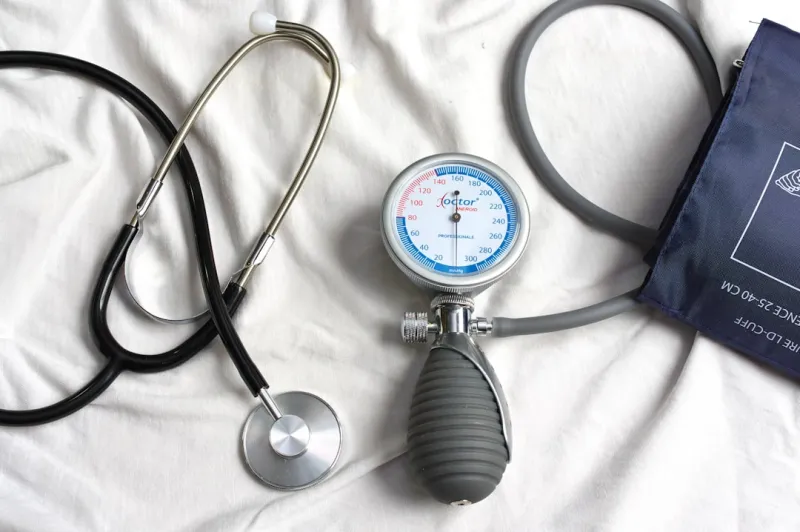
Balancing Blood Pressure Naturally: A Holistic Guide
A comprehensive, holistic approach to managing blood pressure—integrating diet, exercise, stress c... Read More

Micro‑Movements and Wearables: A New Playbook for Blood Pressure Mastery
A practical guide shows how micro‑movements, breathing techniques, and next‑gen wearables create... Read More
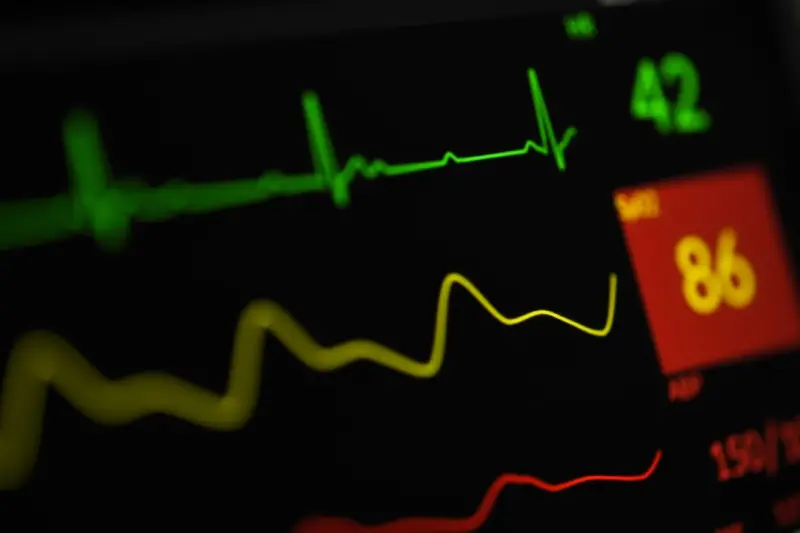
Reframe Your Blood Pressure: A Story‑Driven Blueprint for Sustainable Control
Learn how to turn blood pressure into a story you can rewrite—using breath, micro‑movements, hab... Read More
Top Posts
Turning Blood Sugar Into a Strategic Asset for High‑Performers
Learn to treat glucose as a real‑time performance metric, align meals with stress cycles, and time carbs for cognitive peaks—turning blood sugar management ...Read More

The Hidden Levers of Muscle Growth: A Science‑First Playbook
Discover how to supercharge muscle gain by mastering the mind‑muscle connection, strategic periodization, nutrient pairing, temperature‑based recovery, and ...Read More
The Hidden Power of Liver Resilience: A Pro’s Guide to Stress‑Proof Performance
A deep dive into how chronic stress, hidden toxins, and lifestyle choices impact the liver, and actionable steps professionals can take to strengthen liver func...Read More

Cultivating Digital Resilience: How Seniors Can Harness Technology for Longevity
A fresh look at how older adults can turn tech tools into allies for healthier, more connected lives, covering safety, mental sharpness, and community....Read More
0 Comments
Post Comment
You will need to Login or Register to comment on this post!