
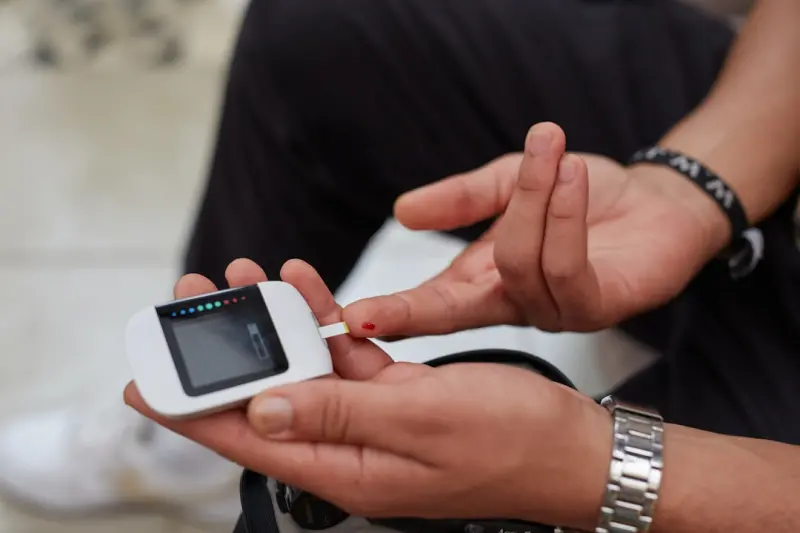
Beyond the Scale: Building a Real‑World Blood Sugar Ecosystem at Work
When I first sat at my desk, the glow of my laptop felt like a beacon of possibility. Yet, as a senior product manager juggling back‑to‑back sprints, I noticed a subtle fog creeping in after lunch—energy dips, cravings, and a lingering sense of “something’s off.” It wasn’t just a personal hiccup; it was a signal that my blood sugar rhythm was out of sync with the relentless pace of modern work.
That realization sparked a quest: how can busy professionals create a blood‑sugar ecosystem that thrives amid meetings, deadlines, and digital noise? In this post, I’ll walk you through a fresh framework that blends data‑driven habits, environment design, and community support—without relying on the usual cold‑shower or breathwork tricks you’ve seen elsewhere. Think of it as a holistic operating system for glucose stability, tuned for high‑velocity teams.
The Hidden Cost of “All‑Day Energy” Myths
Most corporate wellness programs preach “steady energy” but stop short of explaining the physiological underpinnings. The myth that you can simply “drink coffee and power through” masks a deeper issue: the body’s natural glucose oscillations are being forced into a one‑size‑fits‑all rhythm, leading to:
- Post‑prandial spikes that trigger insulin surges and subsequent crashes.
- Inconsistent cortisol patterns that blunt the liver’s ability to release glucose when needed.
- Micro‑inflammation from repeated high‑glycemic meals, eroding long‑term metabolic health.
When you’re constantly shifting between deep focus and rapid‑fire brainstorming, those spikes and crashes become performance bottlenecks. The solution isn’t a “quick fix”; it’s an ecosystem that respects both biology and workflow.
Step 1: Map Your Glucose Flow with Wearable Tech
Data is the new lingua franca of health. A continuous glucose monitor (CGM) paired with a smart watch offers a live dashboard of how food, stress, and movement impact your numbers. Here’s how I turned raw data into actionable insight:
- Identify “peak‑stress windows.” I noticed my glucose dipped consistently between 2 p.m. and 4 p.m., coinciding with the weekly sprint review. This pattern signaled a stress‑induced cortisol dip.
- Correlate meals with performance. A blueberry‑rich smoothie at 10 a.m. kept my readings stable, whereas a bagel and cream cheese caused a sharp spike followed by a crash.
- Set personalized alerts. I configured my watch to vibrate when glucose fell below 80 mg/dL, prompting a micro‑movement break (more on that later).
By treating your CGM as a real‑time KPI, you can iterate on habits just as you would on a product backlog.
Step 2: Re‑Engineered Meal Architecture for the Office
Remember the concept of Nutrient Architecture? It’s the practice of designing meals that deliver steady glucose, support cognition, and fit seamlessly into a busy schedule. Here’s my go‑to office plate:
- Protein base (20‑30 g): grilled tempeh, a hard‑boiled egg, or a scoop of whey isolate.
- Low‑glycemic carbs (15‑20 g): half a cup of quinoa, a handful of berries, or a small sweet potato.
- Fiber & healthy fats: avocado slices, chia seeds, or a drizzle of olive oil.
- Micro‑spice boost: a pinch of cinnamon or turmeric to modulate insulin response.
This structure creates a “glucose‑steady” release curve, preventing the roller‑coaster that a carb‑heavy lunch often triggers. Pair it with a glass of water infused with lemon—hydration matters for glucose transport.
Step 3: Micro‑Movement Integration
Even the most sophisticated data won’t help if you stay sedentary for eight hours straight. I discovered the power of Micro‑Movements—tiny, intentional actions that keep blood flow active and glucose uptake efficient. Here’s my “5‑Minute Glucose Boost” routine, ideal for a quick calendar slot:
- Standing stretch (30 seconds): raise arms overhead, interlace fingers, and lean side‑to‑side.
- Calf raises (30 seconds): lift onto toes, lower slowly, repeat.
- Desk squats (1 minute):** sit back into a squat, hold for two seconds, stand, repeat.
- Shoulder rolls (30 seconds):** roll shoulders forward, then backward.
- Deep breath & hand‑pump (30 seconds):** inhale for four counts, exhale while pumping hands like a tiny rower.
These movements stimulate muscle glycogen uptake, blunt post‑meal spikes, and give the brain a brief “reset”—all without leaving the office.
Step 4: Chronobiology—Aligning Work Rhythms with Your Internal Clock
Our bodies follow a circadian rhythm that governs hormone release, digestion, and insulin sensitivity. Ignoring this clock is like trying to stream video on a laggy connection. I experimented with a simple shift:
- High‑intensity tasks (analysis, coding, design) scheduled between 9 a.m. and 12 p.m., when insulin sensitivity peaks.
- Collaborative meetings and lighter tasks placed after lunch, when the body naturally prefers a modest glucose dip.
- Evening wind‑down limited to non‑cognitive activities and a low‑glycemic snack (e.g., a handful of almonds).
The result? A smoother energy curve and fewer “afternoon crashes.” The key is to respect your personal chronotype—some thrive in the early morning, others peak later. Use your CGM data to pinpoint when glucose stays most stable and align critical work accordingly.
Step 5: Social Glue—Building a Blood‑Sugar Support Network
Even the best personal system can wobble without community reinforcement. I started a “Glucose Guild” in my department—an informal Slack channel where members share:
- Meal photos and macro breakdowns.
- Micro‑movement reminders (a quick GIF to stand up).
- Weekly “data‑deep dives” where we discuss trends spotted in our CGM dashboards (anonymized, of course).
This collective accountability creates a culture where stable glucose isn’t a solo mission but a shared performance metric. Plus, the social element triggers dopamine release, which, paradoxically, helps smooth out glucose spikes caused by stress.
Step 6: Stress‑Modulated Breathing—A Light Touch
While I won’t rehash cold‑shower strategies, a simple box breathing technique can temper cortisol spikes that destabilize glucose. Try this three‑minute pause before a high‑stakes presentation:
- Inhale through the nose for a count of four.
- Hold for four.
- Exhale slowly for four.
- Hold again for four.
- Repeat four times.
Research shows this rhythmic breathing reduces sympathetic activation, which in turn curbs the liver’s excessive glucose output during stress.
Step 7: Review, Refine, Repeat—The Agile Loop
Just as you sprint through product iterations, treat your blood‑sugar ecosystem as a living backlog:
- Sprint Planning: Set a weekly goal (e.g., “Add a fiber‑rich snack before 3 p.m.”).
- Daily Stand‑up: Log one data point—glucose reading, meal, or micro‑movement.
- Retrospective: Review patterns, celebrate wins, and adjust the next week’s plan.
By closing the loop, you keep momentum and ensure the system evolves with your workload and life changes.
Putting It All Together: A Day in the Life
Here’s a snapshot of how I weave these elements into a typical workday:
| Time | Action | Glucose Goal |
|---|---|---|
| 7:00 am | Light stretch & 10‑minute box breathing | Stable baseline |
| 7:30 am | Protein‑rich breakfast (Greek yogurt, berries, nuts) | Gradual rise |
| 8:30 am | First CGM check – confirm < 90 mg/dL | Optimal start |
| 9:00 am‑12:00 pm | Deep‑focus work (coding, analysis) | Maintain 90‑110 mg/dL |
| 10:30 am | Micro‑movement break (5‑minute boost) | Prevent dip |
| 12:00 pm | Low‑glycemic lunch (quinoa bowl, tempeh, avocado) | Post‑meal peak < 130 mg/dL |
| 1:00 pm‑3:00 pm | Collaborative meetings, emails | Allow gentle dip |
| 2:45 pm | Box breathing before client call | Stress mitigation |
| 3:30 pm | Almond snack + water | Stabilize < 100 mg/dL |
| 4:00 pm‑5:30 pm | Wrap‑up, planning for tomorrow | Maintain steady range |
| 5:30 pm | Evening walk (10 minutes) | Boost muscle glucose uptake |
The day feels less like a series of spikes and more like a smooth runway—ideal for both productivity and long‑term health.
Takeaway: Your Blood Sugar is a Team Player
Managing blood sugar isn’t a solo, “eat‑right‑once‑and‑done” challenge. It’s an ongoing, collaborative system that thrives on data, intentional movement, nutritional design, rhythm alignment, and community support. By treating glucose as a performance metric—just like latency or churn—you can engineer a workplace environment where energy is predictable, focus is sharp, and health becomes a sustainable competitive advantage.
If you’re ready to start building your own ecosystem, pick one of the steps above, set a small weekly goal, and watch the ripple effect across your work and well‑being. Remember: the most powerful upgrades often come from the simplest, most consistent actions.

Kelly Reynolds is a dynamic freelance writer hailing from the picturesque landscapes of Alberta. A master of the written word, she juggles her passion for storytelling with the exhilarating chaos of being a mother to five spirited children. With an impressive portfolio that spans various genres, Kelly captivates readers through her engaging blog posts and thought-provoking articles.
Related Posts
Mastering Blood Sugar with Timing, Food, and Simple Lifestyle Tweaks
Learn how to naturally steady your glucose levels using timing, fiber‑rich foods, short movement b... Read More

The Quiet Power of Rhythm: Syncing Your Body Clock to Stabilize Blood Sugar
Learn to manage blood sugar by syncing meals, movement, and breathwork with your body’s natural cl... Read More
Predictive Glucose: How Real‑Time Data Can Transform Your Sugar Management
Learn how continuous glucose monitors, AI predictions, and tiny data‑driven habits can turn blood ... Read More
Top Posts
When the Office Kitchen Becomes a Trigger: Rethinking Corporate Food Culture
The office kitchen can unintentionally trigger disordered eating. This article examines how corporate food design, social pressures, and stress intersect with e...Read More

Sunlit Beginnings: Shaping Your Baby’s Natural Clock for Lifelong Wellness
Learn why sunlight and consistent lighting patterns are crucial for a baby’s developing circadian system, and get actionable steps to create a sun‑smart rou...Read More

Tiny Touches, Big Health: How Sensory Connection Shapes Infant Wellness
A practical guide showing parents how simple sensory practices—cuddles, massage, textured play, and mindful nutrition—can profoundly influence an infant’s...Read More

Reimagining Your Gut as a Creative Playground
Discover how treating your gut as a creative playground—through novel foods, mindful habits, and playful experimentation—can spark microbial diversity and b...Read More
0 Comments
Post Comment
You will need to Login or Register to comment on this post!