
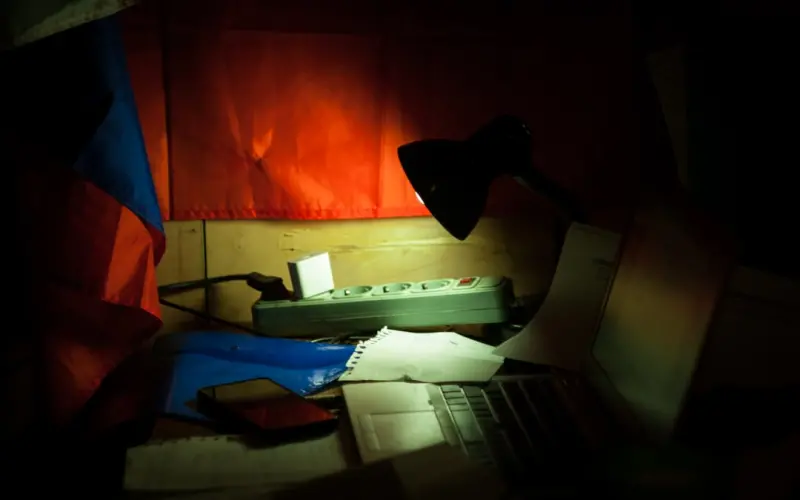
The Silent Epidemic in the Home Office
When the pandemic turned dining tables into desks, we all assumed the biggest hurdle would be bandwidth or the occasional Zoom‑induced eye strain. What we didn’t anticipate was the nocturnal uprising: a surge in insomnia that has quietly hijacked the brains of remote professionals. Unlike the classic “can’t fall asleep because of a noisy street,” today’s insomnia is born from the very tools we use to stay productive—endless Slack threads, calendar overload, and the blurring of work‑day boundaries.
In my ten‑year run consulting with Fortune‑500 teams, I’ve watched senior leaders lose the ability to make crisp decisions after a string of sleepless nights. The cost isn’t just a few yawns at a meeting; it’s a measurable dip in strategic clarity, an increase in cognitive bias, and a subtle erosion of trust among teammates. The insomnia epidemic is a silent, high‑stakes performance bug that no one has officially logged in the IT ticket system.
Why Traditional Sleep Tips Miss the Mark for Knowledge Workers
Most mainstream advice—“no screens an hour before bed,” “drink chamomile tea,” “keep the bedroom cool”—was written for people who clock out at 5 p.m. and then retreat to a separate sleeping environment. Remote knowledge workers, however, live in a hybrid space where the office and bedroom are the same four walls. The traditional “digital detox” mantra, while well‑meaning, often feels like a guilt‑trip rather than a solution.
Consider the cognitive load of a product manager who spends the day juggling feature roadmaps, sprint retrospectives, and stakeholder emails. By the time they close their laptop, their brain is still rehearsing tomorrow’s demo, replaying yesterday’s feedback, and mentally flagging unresolved bugs. Even if they turn off the monitor, the mental “screen” stays lit. This mental residue is the primary driver of the modern insomnia we see across tech‑forward organizations.
Data‑Driven Diagnosis: From Wearables to Mood Boards
One of the most promising antidotes to this problem is leveraging the data we already collect. Wearable devices now capture heart‑rate variability (HRV), sleep stages, and even skin temperature—all proxies for stress and circadian health. When paired with workplace analytics—meeting load, email volume, and task‑switching frequency—we can construct a “sleep‑risk score” for each employee.
Imagine a dashboard that flags a rising insomnia risk when an employee’s HRV drops by 15% over three days while their calendar shows more than three back‑to‑back meetings after 7 p.m. The signal is clear: the person is operating in a “sleep‑deprived zone.” By surfacing this insight early, managers can intervene before the insomnia becomes a chronic performance drag.
AI‑Powered Night Coaching
Data alone is insufficient; we need actionable guidance. This is where artificial intelligence steps in, turning raw metrics into personalized night‑time coaching. Platforms that integrate AI’s Role in Modern Physiotherapy have already demonstrated the power of machine‑learned exercise prescriptions. The same engine can recommend a brief, evidence‑based “wind‑down protocol” based on an individual’s physiological state.
For instance, if a developer’s HRV indicates elevated sympathetic tone, the AI might suggest a 5‑minute diaphragmatic breathing sequence followed by a low‑intensity, proprioceptive movement (think gentle stretching or a short “physiotherapy‑style” mobility drill). The key is that the recommendation is delivered at the exact moment the body needs it—often right after a high‑stress meeting—rather than as a generic bedtime checklist.
Re‑Engineering the Remote Workday for Rest
Beyond individual interventions, organizations must rethink structural elements that perpetuate insomnia:
- Meeting Hygiene: Enforce a “no‑meeting‑after‑7‑p.m.” policy for non‑critical calls. Use asynchronous updates whenever possible.
- Time‑Blocking for Recovery: Schedule “cognitive cool‑down” blocks in the afternoon, similar to lunch breaks, where employees engage in low‑stimulus activities (reading, light walking, or a brief guided meditation).
- Lighting Management: Leverage smart lighting systems that mimic natural daylight cycles. As discussed in Chrono‑Smart Living, exposure to blue light in the morning and reduced blue wavelengths in the evening can reinforce circadian alignment.
- Boundary Enforcement Tools: Offer corporate licenses for apps that automatically dim screen brightness after a set hour and mute work‑related notifications until the next business day.
Cultural Shifts: Normalizing Night‑Time Recovery
One of the most stubborn barriers to solving insomnia is the “always‑on” badge of honor that pervades many tech cultures. Leaders need to model healthy sleep behaviors—logging off, sharing personal stories of sleep challenges, and celebrating “sleep wins” (e.g., a team member who logged 8+ hours for three consecutive nights).
When sleep is framed as a strategic asset rather than a personal indulgence, it becomes a shared responsibility. Teams that collectively track their sleep health see higher psychological safety scores, because the conversation moves from “I’m tired” to “We’re optimizing for sustainable performance.”
Actionable Playbook for the Insomnia‑Aware Leader
Below is a concise, 8‑step playbook you can roll out this quarter:
- Audit Sleep Data: Partner with your HR tech stack to integrate wearable metrics (opt‑in only) into a secure analytics environment.
- Set Baseline Thresholds: Define what constitutes a “sleep risk” (e.g., average 6 hours/night or HRV drop >10%).
- Introduce AI‑Driven Night Coaching: Pilot a sleep‑coaching chatbot that pushes personalized wind‑down suggestions based on real‑time data.
- Reconfigure Meeting Policies: Implement a hard stop for meetings after 7 p.m. and encourage asynchronous status updates.
- Deploy Smart Lighting: Install circadian‑aligned lighting in shared office spaces and provide guidelines for home office setups.
- Launch a Sleep Ambassador Program: Identify volunteers who champion healthy sleep habits and run peer‑to‑peer workshops.
- Track Impact: Measure changes in sleep risk scores, decision‑making speed, and error rates over a 90‑day cycle.
- Iterate and Scale: Refine the program based on feedback and roll out to additional departments.
When executed with empathy and data, this playbook not only mitigates insomnia but also unlocks a hidden reservoir of mental clarity, creativity, and resilience across the organization.
Looking Ahead: From Nighttime Struggle to Strategic Advantage
Insomnia is no longer a private ailment; it’s a systemic risk that can cripple a company’s competitive edge. By treating sleep as a measurable performance metric—just like revenue or churn—we can shift the narrative from “I’m too busy to sleep” to “I’m investing in the most potent cognitive fuel available.” The future of high‑performing remote teams will be defined not by how many hours they log, but by how well they rest.

Related Posts
Sleepless Hours, Sharp Minds: How to Leverage Insomnia for Innovation and Decision‑Making
Explore how to treat insomnia as a diagnostic tool, harness nighttime wakefulness for creativity, an... Read More
Rewiring Evening Cues: A Personal Blueprint to Calm Insomnia
A fresh, hands‑on guide shows how adjusting light, temperature, scent, sound, and nightly storytel... Read More

Breaking the Cycle of Insomnia: A Holistic Approach to Better Sleep
Insomnia is a common problem that affects millions of people worldwide. Learn how to break the cycle... Read More
Top Posts
Turning Autoimmune Challenges into Creative Strengths
Explore a fresh, science‑backed approach to managing autoimmune disease by weaving creative activities into daily life, boosting well‑being and offering rea...Read More

Beyond the Toss: How Ambient Light Shapes Your Sleep
This article reveals how ambient light—from streetlamps to home LEDs—disrupts our circadian rhythm, contributing to insomnia. It offers science‑backed str...Read More
Silent Toxins in the Office: A Proactive Detox Blueprint for High‑Achievers
Discover a science‑backed detox framework that tackles indoor air pollutants, heavy metals, EMF, and stress‑induced toxin retention, giving high‑achievers...Read More
Micro‑Moments: The Unexpected Heroes of Workplace Mental Health
Micro‑moments—brief, purposeful pauses—are a powerful, low‑effort strategy to improve mental health in demanding work environments. Learn practical tech...Read More
0 Comments
Post Comment
You will need to Login or Register to comment on this post!