
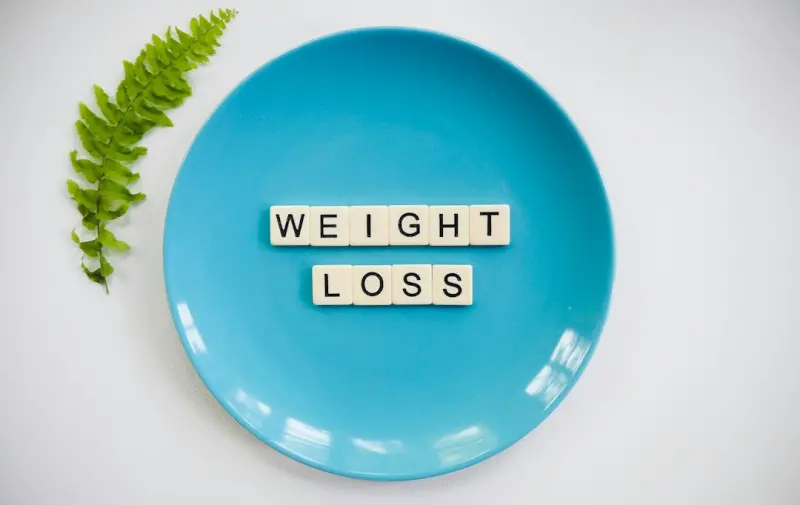
When I first walked into a corporate wellness workshop, the facilitator handed us a glossy brochure titled “The Science of Fat Burning.” I smiled politely, but inside I was already rolling my eyes. The same old calorie‑counting, macro‑tracking, and “just eat less, move more” mantra has been recycled ad nauseam. It works for some, but for most of us juggling deadlines, meetings, and the occasional Zoom‑induced snack binge, it feels more like a punishment than a path to freedom.
Why the Game‑Ready Mindset Beats the Gloomy “Diet” Narrative
Think back to the last time you played a video game that truly hooked you. Maybe it was a sprawling RPG where every quest felt purposeful, or a fast‑paced puzzle that rewarded you instantly for a clever move. What kept you engaged? Clear objectives, immediate feedback, and a sense of progress. Your brain releases dopamine not just for winning, but for the anticipation of the next level.
Weight loss, at its core, is a behavior‑change problem. The brain’s reward circuitry is wired to favor short‑term gratification (like that extra slice of pizza) over long‑term benefits (like a slimmer waist). By translating health goals into game‑like quests, we flip the script: the short‑term reward becomes the action itself, and the long‑term payoff is the ultimate “boss level” you’ve been training for.
Designing Your Personal Weight‑Loss Quest Line
Here’s a step‑by‑step framework I use with my team when we prototype new habit‑building features for our SaaS platform, and it works just as well when you apply it to your own health journey.
- Define the Core Mission. Instead of vague goals like “lose weight,” articulate a concrete mission: “Earn 5,000 points by logging 30 minutes of brisk walking three times a week for the next 30 days.”
- Break It Down Into Micro‑Quests. Large goals can feel overwhelming. Slice them into bite‑sized tasks: “Walk 10 minutes after lunch,” “Swap soda for sparkling water at work,” “Prep a vegetable‑rich lunch on Sunday.”
- Assign Point Values and Levels. Not every quest is equal. A 30‑minute cardio session might be worth 200 points, while drinking a glass of water before bed nets 20. Accumulate points to unlock “levels” like “Bronze,” “Silver,” and “Gold” status.
- Introduce Immediate Feedback. Use a habit‑tracking app or a simple spreadsheet that instantly updates your point total. Seeing your score rise fuels that dopamine hit, reinforcing the behavior.
- Reward Milestones with Tangible Perks. Once you hit 1,000 points, treat yourself to a new workout playlist. At 5,000, schedule a relaxing massage. Rewards should be non‑food related to keep the loop healthy.
- Incorporate Social Competition. Share your progress with a trusted friend or a community group. Friendly rivalry can amplify motivation—just remember to keep it supportive, not shaming.
By treating each habit as a quest, you turn the abstract idea of “weight loss” into a series of achievable, rewarding actions.
Gamification Meets Real‑World Data: Leveraging Tech Without Obsessing Over Numbers
While the core of gamification is about psychology, technology can be a silent ally that provides the feedback loop without turning your life into a spreadsheet nightmare. For instance, tech tools for smarter weight management can unobtrusively track steps, heart rate, and even subtle changes in activity patterns. The key is to let the data inform, not dominate.
Imagine your smartwatch nudging you with a friendly “Quest Ready!” notification when you’ve been sitting for more than an hour. Or a smart scale that automatically logs your weight and converts the shift into points, updating your leaderboard in real time. The goal isn’t to become a data‑driven robot but to let the numbers serve as the “scoreboard” that fuels your intrinsic motivation.
Environment as a Co‑Player, Not Just a Background
We often hear about “environmental hacks” for weight loss, but let’s think of the environment as a co‑player that can level up or down‑level your experience. A well‑designed kitchen, for example, can be a “resource node” that supplies healthy ingredients at a glance, while a cluttered desk can be a “trap” that tempts you toward mindless snacking.
Consider the environmental hacks for weight loss that turn everyday spaces into supportive allies. Simple tweaks—like placing a water bottle on your desk, swapping the candy jar for a bowl of fresh fruit, or setting up a standing desk—create subtle cues that nudge you toward healthier choices without requiring constant willpower.
When you consciously design your surroundings, you’re essentially setting up “level‑up zones” that reward you for staying on mission. The more you align your physical space with your health goals, the less friction you’ll experience on the quest.
The Power of Narrative: Crafting Your Hero’s Journey
Every great game has a storyline. You, the player, are the protagonist navigating challenges, collecting allies, and evolving over time. Frame your weight‑loss journey as a hero’s arc:
- Call to Adventure. The moment you decide you want change—a health check, a birthday, a “I’m tired of feeling sluggish” epiphany.
- Crossing the Threshold. Setting up your first quest, downloading the tracking app, or clearing out the pantry.
- Trials and Allies. Daily habits, setbacks, supportive friends, or a fitness class that becomes your “guild.”
- Reward. Not just the scale moving, but the confidence boost, the energy surge, the compliments from coworkers.
- Return with the Elixir. You become the person who can inspire others, sharing tips and celebrating wins.
When you view setbacks as “boss battles” rather than failures, you preserve momentum. A missed workout isn’t a defeat; it’s a learning opportunity that refines your strategy for the next encounter.
Balancing Competition with Compassion
Gamification can sometimes tip into unhealthy rivalry. It’s crucial to calibrate the competitive elements so they reinforce, not undermine, self‑compassion. Here are three safeguards:
- Personal Benchmarks. Prioritize personal bests over comparative scores. Celebrate beating yesterday’s point total before you glance at the leaderboard.
- Positive Reinforcement. Use encouraging language in your notifications—“Great job unlocking the ‘Hydration Hero’ badge!”—instead of punitive messages.
- Grace Periods. Build “recovery quests” that allow you to earn points for restorative activities like yoga, meditation, or a full night’s sleep.
By embedding compassion into the game mechanics, you create a sustainable loop that keeps you engaged for the long haul.
Integrating Mindful Moments Without Breaking the Flow
While gamification thrives on action, the pause is equally important. Mindful eating, for example, can be a “pause quest” that awards points for eating without screens, chewing thoroughly, and noting flavors. This practice sharpens your internal hunger cues, reducing the reliance on external metrics like calorie counts.
Set a timer for 10 minutes before each meal. During that window, write down three sensations: hunger level, mood, and anticipated flavor profile. When you complete the mindful eating “quest,” log it for a small point bonus. Over time, you’ll notice a reduction in mindless snacking and an enhanced appreciation for nutritious foods.
Scaling Up: From Personal Quest to Community Campaign
If you’ve found success in your own gamified system, consider expanding it into a community challenge. Workplaces, book clubs, or neighborhood groups can adopt a shared point system, fostering accountability and camaraderie.
Here’s a quick starter kit for a community weight‑loss game:
- Shared Dashboard. Use a free spreadsheet or a simple app that displays collective points.
- Weekly Themes. Focus each week on a different pillar: movement, nutrition, sleep, stress management.
- Team Rewards. When the group hits a milestone, treat everyone to a group activity—a hike, a cooking class, or a virtual movie night.
The social element introduces “co‑op play,” amplifying motivation through shared victories and collective problem‑solving.
Final Level: Measuring Success Beyond the Scale
Traditional weight‑loss metrics fixate on pounds lost. In a gamified framework, success is multidimensional:
- Consistency Score. Percentage of days you completed at least one quest.
- Energy Index. Self‑rated vigor on a 1‑10 scale, logged weekly.
- Skill Acquisition. New habits mastered—like cooking a vegetable‑rich dinner three times a week.
- Social Impact. Number of friends you’ve inspired to join the quest.
When you celebrate these wins, the journey feels less like a grind and more like an adventure with tangible milestones. The scale becomes just another data point, not the sole judge of your progress.
So, the next time you feel the weight of “another diet” looming over you, remember: you’re not just trying to shed pounds—you’re embarking on a quest. Equip yourself with clear missions, rewarding feedback loops, and a supportive guild. Level up, collect your badges, and watch the transformation unfold not just on the scale, but in your confidence, energy, and overall sense of achievement.

Kelly Reynolds is a dynamic freelance writer hailing from the picturesque landscapes of Alberta. A master of the written word, she juggles her passion for storytelling with the exhilarating chaos of being a mother to five spirited children. With an impressive portfolio that spans various genres, Kelly captivates readers through her engaging blog posts and thought-provoking articles.
Related Posts
Unlocking Hidden Levers: How Everyday Micro‑Habits Accelerate Fat Loss
A practical guide to using everyday habits like lighting, posture, breathwork, and social accountabi... Read More
Rewriting the Scale: How Narrative Play Can Unlock Sustainable Weight Loss
Turn weight loss into a compelling story by using narrative play, habit stacking, and data as allies... Read More

Seasonal Synergy: Harnessing Nature’s Rhythms for Sustainable Weight Loss
Learn to leverage daylight, temperature, and local harvests to create a seasonal weight‑loss plan ... Read More
Top Posts

The Power of When: Mastering Meal Timing for Better Health
Learn why the timing of your meals can be as crucial as what you eat, with actionable strategies to sync eating with your body’s natural rhythm....Read More
Reprogramming the Night: A Fresh Playbook to Beat Insomnia
A hands‑on guide that blends light exposure, evening rituals, nutrition, and mindful techniques to transform insomnia from a nightly battle into a pathway for...Read More

The Importance of Holistic Health Insurance: A Comprehensive Approach to Wellbeing
Holistic health insurance considers the whole person - body, mind, and spirit - when providing coverage for medical services. Learn how to prioritize nutrition,...Read More
Longevity as a Skill: Building Resilience for a Longer Life
Longevity isn’t a matter of luck; it’s a skill you can train. This article outlines a practical, data‑driven approach—hormetic stressors, optimized spac...Read More
0 Comments
Post Comment
You will need to Login or Register to comment on this post!