
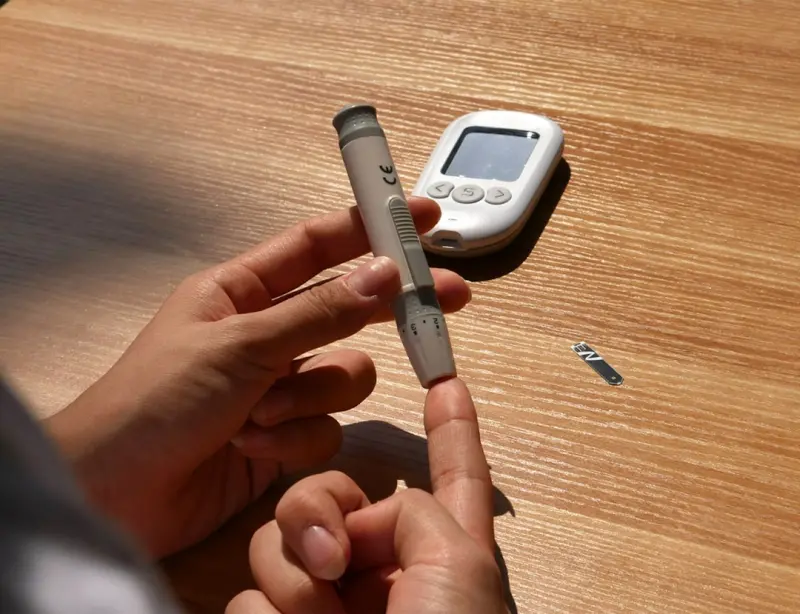
Why Blood Sugar Management Needs a Game‑Changer
When I first started tracking my glucose levels, the numbers felt like a relentless tide—high one moment, low the next—leaving me frustrated and, frankly, bored. Traditional advice—“eat more fiber,” “avoid sugary drinks,” “exercise regularly”—is solid, but it rarely sparks excitement. I wanted a system that felt less like a chore and more like a personal quest, something that could turn daily data into moments of triumph.
The Power of Play in Metabolic Health
Human beings are wired for play. From childhood board games to adult sports leagues, competition and reward drive engagement. Gamification, the application of game-design elements to non‑game contexts, has already transformed fitness apps and language‑learning platforms. It’s time to bring that same energy to blood sugar management.
Core Pillars of a Gamified Glucose Strategy
- Real‑time data capture. Wearable continuous glucose monitors (CGMs) provide a live stream of glucose trends, turning abstract numbers into visual feedback you can react to instantly.
- Micro‑goals and instant rewards. Small, achievable targets (e.g., “keep post‑lunch glucose under 110 mg/dL for three days”) paired with digital badges keep motivation high.
- Social accountability. Friendly competition or cooperative challenges within a community create a sense of belonging and shared purpose.
- Habit stacking for glucose stability. Linking new glucose‑friendly actions to existing routines makes adherence almost automatic.
Step‑One: Equip Yourself With the Right Tools
Modern CGMs are more affordable and discreet than ever. Pair your sensor with a smartphone app that visualizes glucose trends in real time—color‑coded charts, predictive alerts, and even a glucose score that rates each day’s performance. If a full‑time CGM feels excessive, consider a flash glucose monitor that you scan when you want an update. The key is consistent data flow; the more you see, the easier it becomes to spot patterns and make instant adjustments.
Step‑Two: Turn Numbers Into Narrative
Instead of viewing glucose readings as isolated data points, frame them as chapters in a story you’re writing. Each spike is a plot twist, each stable period a calm scene. Use the app’s journal feature (or a simple note‑taking habit) to log what you ate, how you felt, and any physical activity. Over time you’ll notice themes—perhaps a particular snack consistently triggers a rise, or a mid‑day walk smooths out the curve. This narrative approach turns raw data into actionable insight, making the process feel less clinical and more personal.
Step‑Three: Design Micro‑Goals That Feel Like Levels
Large, vague goals (“lower A1C”) can be overwhelming. Break them down into bite‑size missions:
- Maintain a post‑dinner glucose under 120 mg/dL for five consecutive days.
- Earn a “Fiber Master” badge by adding at least 30 g of fiber to two meals per week.
- Complete a “Hydration Quest” by drinking eight glasses of water before each main meal.
When you meet a goal, reward yourself—maybe with a new playlist, a short episode of a favorite podcast, or a small non‑food treat. The dopamine hit reinforces the behavior, encouraging you to keep leveling up.
Step‑Four: Leverage Community Challenges
Human beings thrive on connection. Join—or create—a blood‑sugar challenge group on a platform like Discord, Facebook, or a dedicated health app. Set weekly themes (e.g., “Low‑Glycemic Breakfast Week”) and track progress collectively. Celebrate wins publicly; share setbacks as learning moments. The communal vibe turns solitary monitoring into a shared adventure.
For inspiration, explore community-driven pre‑diabetes strategies. Although that piece focuses on pre‑diabetes, the underlying principle—harnessing collective energy to drive health outcomes—applies perfectly to any glucose‑management journey.
Step‑Five: Stack Habits to Automate Success
Habits are the brain’s shortcut system. By pairing a new glucose‑friendly behavior with an existing routine, you reduce the mental load required to stay consistent. For example:
- After brushing your teeth each morning, sip a glass of water infused with lemon—a simple way to start the day hydrated and curb cravings.
- When you sit down for lunch, automatically add a serving of leafy greens before any carbohydrate.
- Before you check your email, take a two‑minute breath pause to assess stress levels, which can impact glucose.
Read more about this in habit stacking for glucose stability. The concept translates directly: the more you embed glucose‑positive actions into existing patterns, the less you have to think about them.
Step‑Six: Eat With Your Eyes—The Science of Colorful Nutrition
Our plates are visual canvases. Studies show that a varied, colorful plate not only supplies a broader spectrum of micronutrients but also naturally lowers glycemic load because many deeply pigmented foods are high in fiber and phytochemicals. Incorporate “rainbow meals” by rotating red (berries, beets), orange (carrots, sweet potatoes), yellow (squash, pineapple), green (kale, broccoli), blue/purple (blueberries, eggplant), and white (cauliflower, mushrooms).
For a deeper dive into how pigments influence mood and performance, check out nutrient‑rich color palettes. While the original focus is on mental acuity, the principles align beautifully with glucose control: fiber‑dense, low‑glycemic foods often come in vibrant hues.
Balancing Data and Intuition
It’s tempting to become a data‑driven robot, obsessively tweaking meals based on every spike. Remember that your body is more than a spreadsheet. Use the data as a guide, not a dictator. If you notice a consistent rise after a stressful meeting, perhaps the culprit is cortisol rather than carbs. In those moments, experiment with a brief mindfulness break or a short walk before the next meeting, then observe how your glucose responds.
Dealing With Setbacks Gracefully
No quest is without its villains. Unexpected spikes—perhaps from a social event or a late‑night work session—can feel discouraging. Instead of self‑criticism, treat them as “boss battles.” Document what happened, what you learned, and how you’ll adjust next time. This mindset reframes setbacks as valuable data rather than failure.
Measuring Success Beyond the Numbers
While the ultimate metric is a stable A1C, the gamified approach offers additional markers of progress:
- Increased frequency of “badge” achievements.
- Higher consistency in logging meals and activities.
- Improved mood and energy levels reported in daily journals.
- Stronger community ties—more messages exchanged, shared recipes, and collective celebrations.
These qualitative wins often precede the quantitative ones, reinforcing the habit loop and keeping you engaged for the long haul.
Future Outlook: The Next Level of Glucose Gaming
Imagine a platform where your CGM feeds directly into a virtual world. Each stable glucose range unlocks new environments, and each spike summons a “challenge monster” you must defeat by choosing healthier foods or moving. Companies are already experimenting with AR overlays that display glucose trends on your smartwatch in real time. As technology evolves, the line between health monitoring and immersive gaming will blur, making optimal glucose management feel like a natural extension of daily life.
Final Thoughts: Your Quest Awaits
Blood sugar control doesn’t have to be a solitary, monotonous slog. By treating your data as a story, setting micro‑goals that feel like game levels, and surrounding yourself with a supportive community, you transform a health imperative into an engaging adventure. Grab your CGM, pick a badge, rally a few friends, and start leveling up—your body, mind, and future self will thank you.

Sarah Gray is a proud Canadian who calls Brampton home, where she lives with her husband, Paul. A passionate home cook and gifted storyteller, Sarah loves creating delicious recipes and sharing stories inspired by everyday life, family, and cherished experiences. When she isn't experimenting in the kitchen, she's busy crafting engaging content that reflects her warmth, creativity, and love of connection. Above all, Sarah treasures time spent with her grandchildren, embracing every opportunity to create lasting memories with the people she loves most.
Related Posts

Scent, Breath, and Balance: A Fresh Take on Managing Blood Sugar
Explore the unexpected power of scent and breathwork in regulating blood sugar, with practical ritua... Read More

The Hidden Power of Food Timing: Mastering Blood Sugar for Remote Teams
Discover why when you eat matters more than what you eat, with practical timing strategies, tech tip... Read More

A Fresh Blueprint for Naturally Balancing Blood Sugar
Learn a practical, seven‑day plan that blends meal timing, strategic food combos, micro‑movement... Read More
Top Posts
Re‑imagining Prediabetes: Tiny Levers for Big Metabolic Shifts
A fresh, data‑driven approach to prediabetes that focuses on small daily adjustments—mindful food combos, quick desk exercises, and stress‑reduction ritua...Read More

Cold Showers, Breathwork, and the Forgotten Art of Grounding: A Modern Man’s Guide to Resilience
A practical guide for men that blends ancient practices—controlled breathing, cold showers, and earthing—into daily routines, delivering lasting mental clar...Read More

Beyond the Dark: Reclaiming Sleep with a Sensory Reset
A practical guide that transforms your bedroom into a sleep‑friendly sanctuary by aligning light, temperature, sound, scent, and space, offering professionals...Read More

Design Your Environment: The Hidden Path to Sustainable Weight Loss
Learn to transform your surroundings—from pantry layout to grocery routes—into powerful allies that naturally guide you toward healthier choices and steady ...Read More
0 Comments
Post Comment
You will need to Login or Register to comment on this post!