
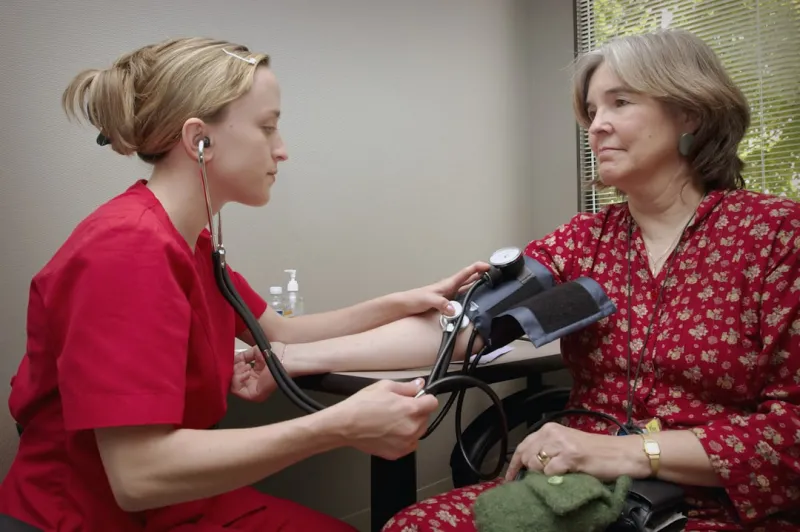
Why Blood Pressure Matters in My Everyday Life
I’ve spent years watching my numbers dance on the monitor, feeling the subtle thrum of a heart that refuses to settle into a calm rhythm, and learning that every spike is a signal from my body asking for a deeper conversation. High blood pressure isn’t just a statistic on a lab sheet; it’s a daily reminder that the choices I make around food, movement, and stress have real, measurable impact on my heart’s longevity. When I finally understood that a single, sustained elevation could quietly damage arteries, kidneys, and even my brain, I knew I had to rewrite the story I was living and share the roadmap with anyone willing to listen.
The Nutrition Blueprint That Calmed My Pulse
The first overhaul began in the kitchen, where I swapped processed salts for herbs, and sugary sauces for vibrant, antioxidant‑rich vegetables that not only satisfied my cravings but also helped dilate blood vessels naturally. Incorporating potassium‑packed foods like sweet potatoes, spinach, and bananas created a gentle counterbalance to sodium, allowing my kidneys to excrete excess fluid more efficiently, which in turn lowered the pressure on my arterial walls. I also embraced the power of omega‑3 fatty acids from wild salmon and flaxseed, which act like a soothing balm for inflammation, a hidden driver of hypertension that many overlook.
Movement as Medicine: Turning Exercise Into Celebration
Instead of viewing workouts as a chore, I reframed each session as a celebration of what my body can do, a mindset shift that made me look forward to walking, dancing, or practicing gentle yoga every day. When I moved with intention, my heart rate increased briefly, then settled into a stronger, more efficient rhythm that kept my blood pressure in check long after the session ended. The science behind this is simple: regular aerobic activity improves the elasticity of blood vessels, reduces resting heart rate, and helps the body manage stress hormones more gracefully. For a deeper dive into the joy of moving, read Why Exercise Feels Like a Celebration, Not a Chore and discover how you can turn any activity into a heart‑healthy habit.
Stress Management: From Crisis to Calm
Stress was the silent saboteur in my blood pressure saga, sneaking in through tight deadlines, family worries, and the endless scroll of news headlines, each episode sending my cortisol levels soaring and my arteries tightening like a clenched fist. I began a daily practice of mindfulness meditation, starting with just five minutes of focused breathing, gradually extending to guided visualizations that painted serene landscapes in my mind, allowing the nervous system to hit the reset button. Complementing this, I adopted a gratitude journal, noting three moments of joy each night, a simple habit that rewires the brain to seek positivity, lowering the stress response that often spikes blood pressure.
Sleep: The Unsung Hero of Hypertension Control
When I finally prioritized quality sleep, the changes in my blood pressure were unmistakable; the body’s natural repair processes kick into high gear during deep REM cycles, releasing growth hormones that help keep blood vessels flexible and resilient. I tackled sleep apnea head‑on by adjusting my sleeping position, using a supportive pillow, and, when needed, consulting a specialist to explore CPAP therapy, which dramatically reduced nighttime oxygen dips that can jolt blood pressure upward. For anyone battling restless nights, my journey through sleep challenges is detailed in Finding Rest in the Chaos: My Holistic Journey with Insomnia, offering practical tips to turn bedtime into a restorative ritual.
Holistic Strategies Every Woman Needs for Vibrant Health
Women face unique hormonal fluctuations that can influence blood pressure, especially during menopause, pregnancy, and menstrual cycles, making a one‑size‑fits‑all approach ineffective. I integrated a blend of phytoestrogen‑rich foods like soy and flax, which help modulate estrogen levels and support vascular health, while also monitoring my iron intake to avoid anemia‑related heart strain. Regular check‑ins with a trusted healthcare provider ensured my hormone panels were balanced, and when imbalances appeared, we explored natural supplements and lifestyle tweaks before reaching for prescription medication. For a comprehensive guide tailored to women’s wellness, explore Holistic Strategies Every Woman Needs for Vibrant Health and discover how subtle shifts can protect your heart for decades.
Mindful Hydration and the Role of the Gut
Staying properly hydrated is more than quenching thirst; it ensures blood volume remains optimal, preventing the heart from working harder than necessary to circulate fluid through narrowed vessels. I swapped sugary sodas for infused water with cucumber, mint, and a splash of lemon, which not only kept my electrolytes balanced but also supported a thriving gut microbiome that influences blood pressure regulation through short‑chain fatty acids. A healthy gut lining reduces systemic inflammation, a hidden contributor to hypertension, so I added probiotic‑rich foods like kimchi, kefir, and unsweetened yogurt to my daily menu, creating a symbiotic relationship between digestion and cardiovascular health.
Tracking Progress and Staying Accountable
Technology became my ally when I started logging blood pressure readings each morning, noting food intake, exercise duration, and stress levels in a simple spreadsheet that revealed patterns I could act on immediately. I set realistic, incremental goals—such as lowering systolic pressure by five points over a month—celebrating each milestone with non‑food rewards like a new book or a nature hike, reinforcing positive behavior without undoing my progress. Sharing my journey on supportive online communities also provided accountability, as friends offered encouragement, tips, and gentle nudges whenever I felt my motivation wane.
When Medication Becomes Part of the Plan
Even after embracing every lifestyle modification, there were moments when my numbers stubbornly lingered above the ideal range, reminding me that genetics and age sometimes require a medical safety net. In collaboration with my physician, I trialed low‑dose ACE inhibitors, monitoring side effects closely while continuing my holistic regimen, discovering that medication can act as a bridge, not a crutch, while my body adapts to healthier habits. The key is open dialogue with a trusted provider, ensuring any prescription complements rather than contradicts the natural strategies that have already lowered my risk profile.
Living the Blood Pressure‑Friendly Life Long-Term
Sustaining lower blood pressure is a lifelong commitment, but it doesn’t have to feel like a punishment; it’s an invitation to live more deliberately, savoring foods that nourish, moving in ways that bring joy, and cultivating mental serenity that steadies the heart’s rhythm. I now view each day as an opportunity to fine‑tune my habits, listening to the subtle cues my body sends—whether a fleeting headache, a restless night, or a sudden burst of energy—as feedback that guides my next adjustment. By weaving together nutrition, movement, stress reduction, sleep hygiene, and occasional medication, I’ve crafted a resilient framework that not only protects my heart but also enhances every other facet of my life.

Becky Putman is an Ottawa-based freelance writer and marketing professional with a passion for storytelling, animals, and community involvement. She enjoys creating engaging content that informs, inspires, and connects with readers.
Related Posts

Time‑Smart Eating: A New Rhythm for Lower Blood Pressure
Learn a fresh, rhythm‑based approach to managing hypertension by timing meals, movement, and breat... Read More
Breathing, Balance, and Everyday Blood Pressure Mastery
A hands‑on guide that blends mindful breathing, ergonomic posture, and everyday habits to help you... Read More

Beyond the Cuff: Real‑Time Strategies for Mastering Blood Pressure
A practical guide that turns continuous blood pressure monitoring into a daily habit, blending weara... Read More
Top Posts

Cold Exposure: The Underrated Secret to Men’s Health and Performance
Explore the science and practical steps behind using cold exposure to improve men’s vitality, hormone balance, and mental resilience....Read More

Seasonal Reset: Aligning Your Body’s Natural Cleansing Cycles with the Calendar
Learn how to harness the power of seasonal light, temperature, and foods to naturally support your body’s detox pathways, with practical tips on hydration, mo...Read More

Sculpting Strength: How Micro‑Habits Transform Muscle Growth
Learn how stacking micro‑habits, optimizing gut health, and clearing mental clutter can create a powerful, sustainable muscle‑gain strategy that fits even t...Read More

Beyond the Crib: How Early Digital Exposure Shapes Infant Development
A deep dive into the impact of modern technology on babies, covering brain, gut, and sensory development while offering actionable tips for screen‑free bondin...Read More
0 Comments
Post Comment
You will need to Login or Register to comment on this post!