
Why Gut Health Is the Foundation of Whole‑Body Wellness
When I first started exploring holistic health, I quickly realized that everything I was chasing—energy, mood stability, clear skin, even mental focus—was rooted in one quiet, unseen organ: the gut. The intestinal tract houses trillions of microbes that act like a second brain, translating the foods we eat into hormones, neurotransmitters, and immune signals that ripple through every system. That’s why a simple bloated feeling after a meal often foreshadows a sluggish afternoon at work or a foggy mind during a meeting. Over the years I’ve watched patients transform when they shift from a sugar‑laden diet to one that respects microbial diversity; they report brighter mornings, steadier cravings, and a resilience that feels almost effortless. By treating the gut as the core hub rather than a side note, we set the stage for a cascade of benefits that reach far beyond digestion, turning everyday health into a vibrant, sustainable experience.
Listening to the Microbiome: Signs Your Gut Is Sending
Our gut doesn’t whisper; it shouts through symptoms that we often dismiss as minor annoyances. Persistent gas, unpredictable bowel movements, or cravings for sweets can be the microbiome’s SOS, urging us to rebalance the internal ecosystem. I’ve learned to read these clues like a seasoned gardener watches soil moisture before planting—each signal tells a story about the balance of good and bad bacteria. For instance, a sudden spike in cravings for fermented foods may indicate a deficiency in beneficial microbes that thrive on lactic acid. Conversely, chronic inflammation in the gut often manifests as joint aches or skin flare‑ups, reminding us that the gut’s health is inseparable from the body’s overall equilibrium. By tuning into these messages, we gain the power to intervene early, swapping a handful of processed snacks for a probiotic‑rich bowl of kimchi before the issue spirals into a more serious condition.
Food as Medicine: Building a Diverse Microbial Garden
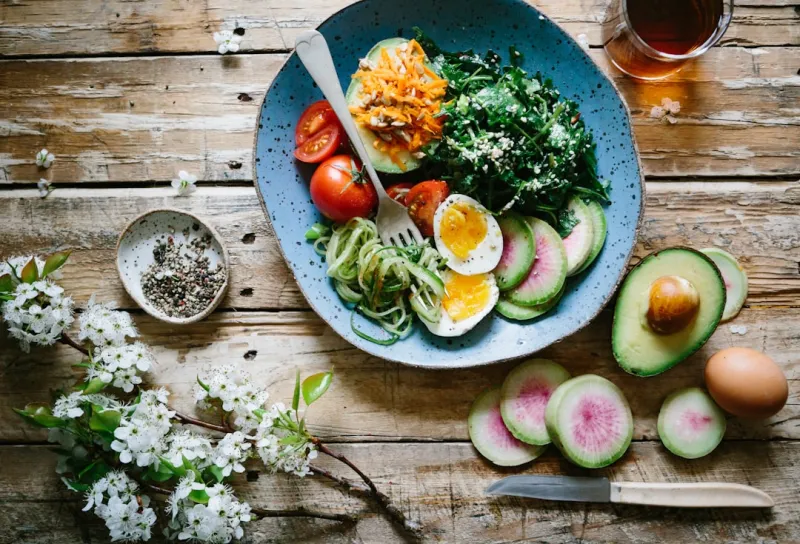
One of the most empowering practices I advocate is treating every meal as a chance to cultivate a thriving microbial garden. Diverse, plant‑based foods act as the fertilizer that feeds a broad spectrum of bacteria, each with its own unique role in digestion, immunity, and mood regulation. Colorful vegetables, whole grains, legumes, and nuts provide a mosaic of fibers and polyphenols that encourage the growth of Bifidobacteria and Lactobacillus species, which in turn produce short‑chain fatty acids essential for gut lining integrity. I encourage readers to experiment with rainbow plates—think deep‑purple beets, orange carrots, and bright green kale—to maximize microbial variety. When you pair these foods with mindful chewing and proper hydration, you create an environment where beneficial microbes flourish, outcompeting the opportunistic pathogens that thrive on refined sugars and artificial additives. This approach not only improves digestion but also amplifies the body’s natural detox pathways, leaving you feeling lighter and more energized.
Fermented Friends: The Power of Probiotic Foods
Fermented foods are the superheroes of gut health, delivering live cultures directly to the intestinal tract. My own journey with probiotic foods began after a bout of chronic indigestion, and the transformation was nothing short of remarkable. A daily spoonful of sauerkraut, a cup of kefir, or a serving of miso soup supplies a potent dose of live bacteria that can reset the microbiome in weeks. These foods also contain metabolites that enhance nutrient absorption, reduce inflammation, and strengthen the gut barrier. If you’re skeptical, check out my deep dive on Gut Health Secrets where I outline practical ways to incorporate fermented delights without overwhelming your palate. Remember, the goal isn’t to replace meals with probiotics but to integrate them as flavorful allies that support a resilient digestive ecosystem.
Fiber, Prebiotics, and the Art of Feeding Good Bugs
While probiotics introduce beneficial bacteria, prebiotics are the fuel that keeps them thriving. Think of prebiotic fibers as premium pet food for the microbes you’ve invited into your gut. Foods rich in inulin, fructooligosaccharides, and resistant starch—such as chicory root, garlic, onions, and green bananas—feed the good bacteria, prompting them to produce short‑chain fatty acids that nourish colon cells and modulate the immune response. I often recommend a simple “prebiotic starter kit”: a daily smoothie blending spinach, a handful of oats, a dash of cinnamon, and a spoonful of chia seeds. This blend delivers both soluble and insoluble fiber, ensuring a balanced feed for a diverse microbial community. Over time, you’ll notice smoother digestion, fewer cravings, and even a calmer mood, all because you’ve mastered the art of feeding the right bugs the right fuel.
Stress, Sleep, and the Gut‑Brain Axis
The conversation about gut health would be incomplete without acknowledging the powerful gut‑brain axis, a bidirectional highway where stress and sleep play starring roles. Chronic stress releases cortisol, which can alter gut permeability, allowing unwanted particles to trigger inflammation—a cascade that often shows up as anxiety or brain fog. Similarly, poor sleep disrupts the rhythmic release of hormones that regulate digestion, leading to imbalanced microbial growth. I found a lifeline in my own story of sleepless nights, documented in Finding Rest in the Chaos, where I combined gentle breathing exercises with a nighttime ritual of herbal tea infused with ginger and licorice to soothe the gut and calm the mind. Prioritizing restorative sleep and stress‑reduction practices, such as meditation or a short walk in nature, can dramatically improve microbial diversity and, in turn, elevate overall wellbeing.
Movement Matters: Exercise as a Celebration for Your Gut
Physical activity is more than calorie burning; it’s a celebration for the gut’s microbial residents. Regular movement stimulates peristalsis, the wave‑like contractions that move food through the intestines, preventing stagnation and encouraging a healthy bacterial environment. I love describing exercise as a “dance party” for the digestive system, where each step or stretch sends signals that boost blood flow to the gut, delivering oxygen and nutrients that microbes crave. In my recent post Why Exercise Feels Like a Celebration, Not a Chore, I highlight low‑impact activities—like yoga, tai chi, or a brisk walk—that are especially gentle on the stomach while still delivering the gut‑friendly benefits of increased motility and reduced inflammation. The key is consistency; even 20 minutes a day can create a ripple effect that supports a balanced microbiome.
Detox and Reset: When and How to Give Your Gut a Break
Occasionally, the gut needs a reset—a gentle detox that clears out lingering toxins and gives beneficial bacteria a fresh start. I advise a short, mindful cleanse rather than an extreme fast, focusing on hydrating with warm lemon water, sipping bone broth, and loading up on easy‑to‑digest vegetables like zucchini and carrots. This approach respects the gut lining while providing essential nutrients that support microbial recovery. A three‑day reset can reduce bloating, improve energy levels, and sharpen mental clarity, especially after periods of heavy alcohol consumption or processed‑food overload. It’s crucial to re‑introduce fiber gradually post‑cleanse, pairing it with probiotic foods to ensure the gut’s ecosystem rebuilds stronger and more diverse than before.
Integrating Holistic Practices: Mindfulness, Breath, and Gut Harmony
Beyond diet and movement, holistic practices such as mindfulness and breathwork can harmonize the gut’s rhythm with the rest of the body. Simple techniques—like diaphragmatic breathing for five minutes before meals—activate the vagus nerve, signaling the digestive tract to release enzymes and promote smooth motility. I often lead a short “gut‑calm” meditation that invites practitioners to visualize a warm, golden light traveling from the abdomen to the brain, fostering a sense of connection and reducing anxiety‑related gut distress. When combined with a balanced diet, these practices amplify the gut’s ability to process nutrients efficiently, lower inflammation, and support a balanced microbiome. The synergy of mind‑body techniques with nutrition creates a resilient foundation that can weather life’s inevitable stresses.
My Personal Checklist for a Happy Gut
To make gut health actionable, I’ve distilled my experience into a straightforward checklist you can follow daily.
- Start each morning with a glass of warm water infused with lemon to kick‑start digestion.
- Include at least three different colors of vegetables in every meal for microbial diversity.
- Incorporate a serving of fermented food—like kimchi, kefir, or miso—at least once a day.
- Consume prebiotic‑rich foods such as garlic, onions, or chicory root daily.
- Dedicate 20 minutes to movement that feels joyful—dance, yoga, or a nature walk.
- Practice deep diaphragmatic breathing before meals to activate the gut‑brain axis.
- Prioritize 7‑8 hours of quality sleep, using a calming bedtime ritual.
- Limit refined sugars and processed foods that feed harmful bacteria.
By checking these boxes consistently, you nurture a thriving gut ecosystem that supports energy, mood, and overall vitality. Remember, gut health is a lifelong partnership—listen, nurture, and celebrate the tiny allies that keep you thriving.

Deb Roberts is a freelancer who writes on various subjects, bringing versatility and depth to her work. Alongside her broad writing expertise, she has a special passion for horses.
Related Posts

Why Your Gut is the Silent CEO of Your Business Decisions
Your gut isn’t just a digestive organ—it’s a strategic partner influencing risk tolerance, cre... Read More

Syncing Your Gut Clock: How Meal Timing Fuels Microbiome Vitality
Tom Ferguson explains the science behind the gut’s internal clock and offers practical steps to sy... Read More
Rewilding Your Gut: The Power of Soil‑Based Probiotics
A deep dive into soil‑based probiotics reveals how these ancient, spore‑forming microbes can div... Read More
Top Posts

Turn Everyday Spaces into Mini-Workout Arenas
Discover a practical approach to fitness by turning ordinary rooms and hallways into mini‑workout arenas, using brief, intentional movement bursts that fit se...Read More

Finding Calm in the Canopy: Green Spaces as a Blood Pressure Ally
Discover the science and simple daily habits that let green spaces become a powerful, natural tool for managing blood pressure, from quick balcony moments to we...Read More

When Data Meets Hope: Reimagining Cancer Care Through Real‑World Analytics
Discover how integrating real‑world evidence, biofeedback wearables, and lymphatic health practices can create a patient‑centric, data‑driven approach to ...Read More

The Relationship Blueprint for a Longer, Vibrant Life
Strong social bonds, purposeful interactions, and thoughtfully designed environments can dramatically extend lifespan. This article uncovers the science behind ...Read More
0 Comments
Post Comment
You will need to Login or Register to comment on this post!