
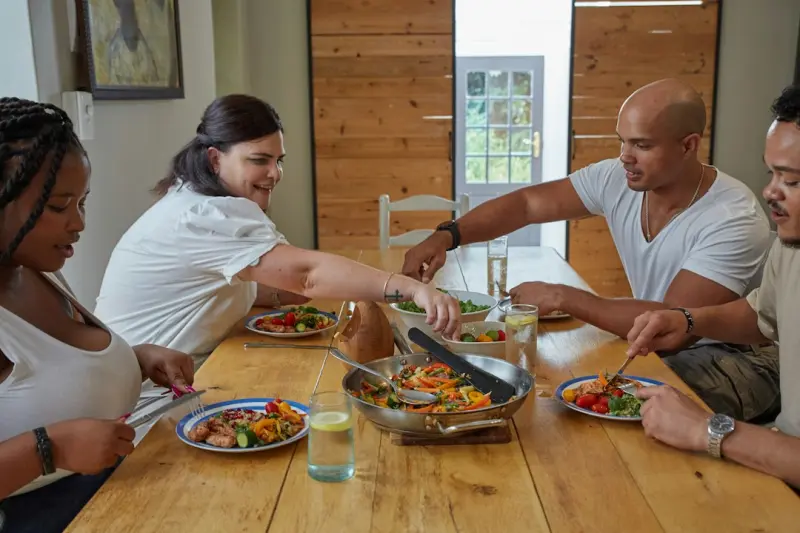
Rethinking the Lunch Table: How Shared Meals Influence Blood Sugar
When I first started tracking my own glucose levels, the data felt like a personal diary of spikes and valleys—an intimate conversation with my pancreas. Over time, I realized that the conversation wasn’t just with my own body; it was also with the people around me. The simple act of eating together, whether at a conference table, a coworker‑run potluck, or a family brunch, carries subtle cues that shape insulin response, hunger signals, and even stress hormones. This observation led me down a path that blends sociology, physiology, and a dash of workplace design, ultimately uncovering a powerful lever for glucose stability that most health‑focused strategies overlook.
The Hidden Physiology of Social Eating
From an evolutionary standpoint, humans are wired to synchronize their meals. Early hunter‑gatherer groups shared food to signal safety, reinforce bonds, and allocate resources efficiently. Modern research shows that this synchronization still influences the endocrine system. When we eat in a group, the brain releases oxytocin and dopamine, hormones that dampen the cortisol surge that often accompanies solitary, rushed meals. Lower cortisol translates to reduced hepatic glucose output, meaning the liver isn’t pumping extra sugar into the bloodstream during stressful moments.
Additionally, visual cues from others—seeing a colleague choose a balanced plate, watching a friend pause to savor a bite—activate mirror neurons that subtly guide our own portion sizes and food choices. This phenomenon, known as social facilitation of eating, can lead to more mindful consumption without the mental fatigue of constant self‑monitoring.
Why Traditional Glucose Management Misses the Social Component
Most blood‑sugar programs focus on calorie counting, macro ratios, or high‑tech continuous glucose monitors (CGMs). While these tools are valuable, they often treat the individual as an isolated data point. The result is a fragmented approach that ignores the contextual cues shaping eating behavior. By overlooking the communal environment, we miss an opportunity to harness natural, low‑effort mechanisms that support glycemic control.
Consider the typical office scenario: a lone employee grabs a bag of chips at their desk, driven by a combination of habit, convenience, and a lack of external accountability. Contrast that with a small group gathering around a communal salad bar, where conversation flows and plates are assembled collaboratively. The latter scenario naturally slows eating speed, encourages variety, and reduces the temptation to over‑indulge in processed snacks.
Practical Steps to Turn Shared Meals into a Glycemic Asset
- Designate a “Meal Hub” in the Workspace. Allocate a bright, inviting area for lunchtime gatherings. Even a simple table with a few plants can transform the perception of eating from a solitary task to a shared experience.
- Introduce “Balanced Plate” Challenges. Once a month, invite teams to assemble plates following a visual guide (half vegetables, a quarter protein, a quarter whole grains). The competitive element adds fun, while the visual cue nudges participants toward lower glycemic loads.
- Leverage small habit tracking tools that sync with communal calendars. When a team schedules a lunch, a gentle reminder can prompt members to log their meals in a shared spreadsheet, creating collective accountability without feeling invasive.
- Rotate “Food Storytellers.” Give a volunteer the chance to share the origin of a dish, its nutritional profile, or a personal memory tied to the food. Storytelling—when used deliberately—creates emotional connections that make healthier choices feel rewarding.
- Integrate Light Physical Activity Before Meals. A brief walk or a few stretches can improve insulin sensitivity, and doing it together amplifies adherence.
Technology as a Silent Partner, Not the Star
While the focus of this article is the social dynamic, technology still has a role—just a supportive one. Devices that monitor glucose can be integrated into a team dashboard, turning individual data into a collective narrative. For example, a weekly “Glucose Harmony” report could highlight the average post‑meal glucose dip across the department, celebrating days when the group collectively kept spikes low.
It’s essential, however, to keep the tech layer invisible enough that it doesn’t become a source of competition or shame. The goal is to celebrate patterns, not punish outliers. A simple color‑coded heat map—green for stable readings, amber for modest elevations, red for significant spikes—provides quick visual feedback without overwhelming details.
Measuring Success Without Obsession
Traditional metrics like “average fasting glucose” or “HbA1c reduction” are still important, but they don’t capture the cultural shift we aim for. Instead, consider adding these complementary indicators:
- Meal Participation Rate: Percentage of employees who join communal meals each week.
- Plate Diversity Score: A count of distinct food groups represented in shared meals, encouraging variety.
- Stress Index: Survey‑based metric assessing perceived stress before and after lunch.
- Glucose Variability Index: Standard deviation of post‑prandial readings across the team, highlighting consistency.
When these metrics trend positively, they often precede measurable improvements in traditional glucose markers, indicating that the social environment is doing the heavy lifting.
Case Study: A Mid‑Size Tech Firm’s Journey
Six months ago, a mid‑size software development company piloted a “Lunch Cohort” program. The initiative began with a simple invitation: “Join us for a shared salad every Tuesday.” Within a month, participation rose to 68%, and the HR team noticed a drop in reported afternoon energy crashes.
Using a nutrition decision framework, the company curated meals rich in fiber and low‑glycemic index carbs. Over the next quarter, average post‑lunch glucose peaks fell by 12%, while employee satisfaction scores climbed by 15 points. Notably, the firm reported fewer sick days attributed to “blood sugar lows,” underscoring the tangible business impact of a socially engineered eating culture.
Addressing Common Concerns
“I’m a picky eater.” Shared meals don’t force uniformity. Encourage a “build‑your‑own” model where each participant selects components that suit their palate while still adhering to the balanced plate principle.
“I work remotely; I can’t join in‑person meals.” Virtual lunch rooms—video calls where teammates eat together—can replicate the social cues. Even a quick “what’s on your plate?” chat fosters the same sense of belonging.
“I have dietary restrictions.” Transparency is key. Provide clear labeling for allergens, gluten‑free options, and vegan choices. A shared spreadsheet where individuals list their restrictions helps the organizer plan inclusive menus.
Scaling the Approach: From Team to Organization
Once a pilot demonstrates success, scale the initiative by embedding it into company values. Include “shared nutrition culture” as a competency in performance reviews, and allocate budget for seasonal produce, cooking workshops, or external nutrition consultants. By positioning communal eating as a strategic asset, leadership reinforces its importance and secures long‑term commitment.
Remember, the aim isn’t to create a rigid ritual but to nurture an environment where healthier choices become the default, supported by subtle social nudges and the occasional data‑driven insight.
Conclusion: Culture Beats Calculus
Managing blood sugar isn’t solely a mathematical equation of carbs versus insulin; it’s a lived experience shaped by the people we share meals with. By intentionally designing social eating moments—whether in a bustling office kitchen or a virtual breakout room—we tap into a natural, low‑effort mechanism that steadies glucose, reduces stress, and strengthens community. The next time you plan a strategy session, consider adding a shared lunch to the agenda. Your pancreas, brain, and bottom line will thank you.

Kelly Reynolds is a dynamic freelance writer hailing from the picturesque landscapes of Alberta. A master of the written word, she juggles her passion for storytelling with the exhilarating chaos of being a mother to five spirited children. With an impressive portfolio that spans various genres, Kelly captivates readers through her engaging blog posts and thought-provoking articles.
Related Posts

The Quiet Levers of Blood Sugar: Tiny Shifts for Consistent Energy
A high‑performer’s guide to mastering blood sugar through stress management, micro‑movement, e... Read More

Balancing Blood Sugar to Beat Decision Fatigue and Sharpen Executive Judgment
Discover a fresh approach to blood sugar management that targets decision fatigue. Learn actionable ... Read More

Managing Blood Sugar by Mastering Decision Fatigue
A fresh look at blood‑sugar control reveals that decision fatigue and mental stress are hidden dri... Read More
Top Posts

Creative Arts as a Catalyst in Physiotherapy: Boosting Healing Through Music, Dance, and Movement
Explore the transformative power of creative arts in physiotherapy, from rhythmic music to movement painting, and learn practical tips to boost patient outcomes...Read More

The Power of Gentle Touch: Enhancing Infant Development Through Massage
A comprehensive guide to infant massage, highlighting its scientific benefits for immune, digestive, and neurological development, with step‑by‑step techniq...Read More

Turning Insomnia into a Nighttime Narrative: My Creative Sleep Ritual
I transformed restless nights into a soothing bedtime ritual by writing short stories, setting digital boundaries, and adding gentle movement—learn how this s...Read More

Straight Up: Why Better Posture Is the Secret Weapon for Men’s Health
Unlock the hidden power of posture for men’s health. Learn science‑backed habits, ergonomic tweaks, and nutrition tips that boost confidence, hormone balanc...Read More
0 Comments
Post Comment
You will need to Login or Register to comment on this post!