

The Power of Gentle Touch: Enhancing Infant Development Through Massage
When I first cradled my newborn, the world seemed to slow down to the rhythm of his tiny breaths. In those first weeks, I discovered that a simple, intentional touch could do far more than soothe a crying mouth—it could lay a foundation for lifelong health. While many parents focus on nutrition, sleep, and safety, the art of infant massage often sits on the sidelines, dismissed as a “nice‑to‑have” rather than a “must‑have.” Yet growing scientific evidence shows that gentle, consistent touch is a powerful catalyst for physical, emotional, and neurological development.
Why Touch Matters: The Science Behind the Sensation
From the moment a baby is born, their skin is an active communication organ. It houses millions of mechanoreceptors that send signals to the brain, influencing everything from hormone release to heart‑rate variability. When a caregiver applies a slow, rhythmic pressure, the nervous system responds by releasing oxytocin—the “bonding hormone”—and decreasing cortisol, the stress hormone. This biochemical shift not only calms the infant but also promotes better sleep, stronger immune responses, and enhanced gut motility.
Research in neonatology has shown that infants who receive regular massage experience:
- Improved weight gain and growth velocity.
- More stable body temperature regulation.
- Reduced episodes of colic and gastrointestinal discomfort.
- Enhanced vagal tone, which supports digestion and heart‑rate stability.
These outcomes are not merely anecdotal. A meta‑analysis of randomized controlled trials found that preterm infants who were massaged three times a day grew an average of 250 grams more than their non‑massaged peers over a six‑week period. The same study highlighted a marked decrease in hospital stays, underscoring the therapeutic potency of touch.
Integrating Massage Into Daily Routines
One of the most beautiful aspects of infant massage is its flexibility. It can become a soothing bedtime ritual, a calming interlude after a feeding, or a playful bonding moment during diaper changes. Below is a step‑by‑step guide that fits seamlessly into a typical day:
- Set the Scene: Choose a warm, quiet space. Dim the lights, play soft instrumental music, and ensure the room temperature is comfortably around 75°F (24°C). A calm environment helps the baby stay relaxed and receptive.
- Gather Supplies: Use a hypoallergenic oil—such as fractionated coconut or almond oil—just a few drops. Warm the oil in your hands before applying.
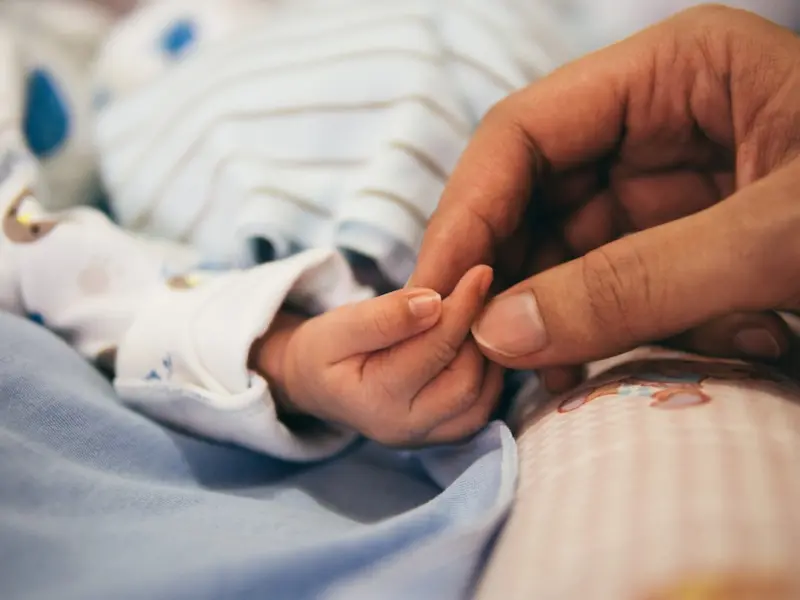
- Start with the Hands: Gently hold one of the baby’s hands, using a feather‑light stroke from the palm toward the fingers. This signals the start of the session and encourages visual tracking.
- Move to the Arms: With the hand still cradled, glide your thumb in slow circles along the forearm, moving from the elbow to the wrist. Repeat on the other arm.
- Chest and Tummy: Place both hands flat on the chest, moving outward in a “spreading” motion. For the tummy, use a clockwise “I love you” pattern—this mimics the natural direction of digestion.
- Legs and Feet: Similar to the arms, stroke from thigh to ankle, then gently massage each foot, paying attention to the arches and toes.
- Back and Spine: With the baby lying on their stomach, use both palms to glide from the shoulder blades down to the sacrum, avoiding direct pressure on the spinal column.
Each stroke should last about 5–10 seconds, and the entire session typically runs 10–15 minutes. Watch for cues: a relaxed sigh, a contented smile, or a soft flutter of the limbs indicates that the baby is enjoying the experience. If the infant turns red, arches their back, or cries persistently, pause and reassess—perhaps the room is too warm or the pressure is too firm.
Safety First: Common Pitfalls to Avoid
While infant massage is generally safe, there are a few precautions to keep in mind:
- Temperature Checks: Always test the oil temperature on the inside of your wrist before applying it to the baby’s skin.
- Avoid Sensitive Areas: The soft spot (fontanelle) and the genital region should never be massaged.
- Medical Conditions: If your baby was born prematurely, has a heart defect, or any skin condition (e.g., eczema), consult your pediatrician before starting a massage routine.
- Allergy Awareness: Perform a patch test on a small area of skin to ensure the oil does not provoke a reaction.
Beyond the Basics: Advanced Techniques for Specific Benefits
Once you and your infant are comfortable with the foundational strokes, you can explore targeted techniques that address particular health goals.
Boosting the Immune System
Gentle stimulation of the lymphatic pathways—found along the inner arms, thighs, and under the collarbone—can enhance the flow of lymph fluid, which carries white blood cells throughout the body. This subtle massage can be integrated into the regular routine to support the infant’s natural defenses. For a deeper dive into immune health in the first year, check out the guide on building an immune-strong infant.
Supporting Gut Health
The “I love you” clockwise tummy massage not only calms colic but also encourages peristalsis, the wave‑like muscle contractions that move food through the digestive tract. Regular practice can reduce gas, ease constipation, and promote a healthier gut microbiome—a cornerstone of long‑term health. To understand why a thriving gut matters beyond infancy, explore the article on the gut microbiome and its far‑reaching benefits.
Enhancing Neurological Development
Massage provides proprioceptive input—sensations that help the brain map the body’s position in space. This feedback is crucial for motor skill acquisition, such as reaching, rolling, and eventually crawling. When you gently stretch the baby’s limbs during the session, you are essentially giving the nervous system a “practice run” for future movement milestones.
Creating a Community of Touch: Involving Caregivers and Siblings
Infant massage isn’t a solitary activity; it thrives on shared experiences. Encourage partners, grandparents, and older siblings to learn the basic strokes. This not only distributes the bonding moments but also reinforces the infant’s sense of security—multiple familiar voices and hands create a robust support network.
Many hospitals now offer “kangaroo care” programs that pair skin‑to‑skin contact with guided massage. If you have access to such resources, take advantage of them. Even simple home‑based workshops, often hosted by lactation consultants or pediatric therapists, can equip families with the confidence to practice safely.
Tracking Progress: How to Measure the Impact
While the immediate benefits of a calm, content baby are evident, you might wonder how to gauge longer‑term effects. Consider keeping a brief journal that notes:
- Frequency and duration of each massage session.
- Baby’s mood before and after the session (e.g., fussy, neutral, smiling).
- Sleep patterns—time to fall asleep, number of night wakings.
- Feeding efficiency—how much the baby takes in, any signs of gastrointestinal discomfort.
Over weeks, trends often emerge: fewer night wakings, steadier weight gain, and more frequent social smiles. These data points can be shared with your pediatrician to tailor nutrition and developmental recommendations.
Integrating Nutrition: The Synergy of Touch and Food
Touch and nutrition work hand‑in‑hand. A relaxed infant has a more efficient digestive system, meaning that the nutrients from breastmilk or formula are better absorbed. Conversely, a well‑balanced diet supports healthy skin, making massage more pleasant. For parents interested in the interplay between diet and infant wellbeing, the piece on when food becomes medicine offers valuable insights.
Common Myths Debunked
Myth 1: “Massage will make the baby too dependent on being held.” In reality, gentle touch teaches self‑regulation. Over time, many infants learn to soothe themselves, leading to longer periods of independent sleep.
Myth 2: “Only mothers should do the massage.” Fathers, grandparents, and siblings can all provide the same physiological benefits. The key is consistency and a calm presence.
Myth 3: “It’s only for newborns.” While early months are critical, massage remains beneficial throughout toddlerhood, especially during periods of rapid growth or teething.
Wrapping Up: A Simple Ritual with Profound Impact
In the hustle of modern parenting, it’s easy to overlook the power of a deliberate, loving touch. Yet, as the science increasingly confirms, infant massage is more than a soothing technique—it’s a foundational practice that nurtures immune function, gut health, brain development, and emotional resilience. By weaving a few minutes of gentle strokes into your daily routine, you’re not just calming a cry; you’re investing in a healthier, happier future for your little one.
So the next time you pick up your baby, pause, breathe, and let your hands do the talking. The ripple effect of that simple gesture will echo through every milestone your child reaches.

Brandy Miller is a dynamic freelance writer based in the vibrant city of Cambridge, Ontario. With a passion for storytelling that knows no bounds, she crafts compelling narratives that captivate and inspire. Brandy’s love for writing shines through in her versatile work, whether she’s penning thought-provoking articles or engaging content that resonates with readers. Her unique perspective and friendly tone make her a sought-after voice in the writing community. When she’s not weaving words together, you can find her exploring the beautiful landscapes of Ontario, always seeking new adventures and inspiration for her next piece. Brandy is not just a writer; she’s a creative force, making her mark one word at a time.
Related Posts

Smart Swaddles: How Data-Driven Wrapping Boosts Infant Development
Smart swaddles blend ancient soothing techniques with modern sensor technology, offering parents rea... Read More

The Healing Touch: How Gentle Infant Massage Boosts Health and Connection
A comprehensive look at how gentle infant massage supports digestion, growth, immune function, and b... Read More
Nurturing Infant Health: Micro‑Habits, Touch, and Mindful Presence
Explore how micro‑habits, gentle touch, and mindful routines create a resilient foundation for inf... Read More
Top Posts

The Impact of Cancer on Mental Health: A Holistic Approach to Healing
The journey of cancer diagnosis, treatment, and recovery can be overwhelming, and it's essential to acknowledge the emotional toll it takes on patients and thei...Read More

Functional Mobility: The New Frontier of Men’s Health
Functional mobility blends flexibility, joint health, and neural coordination, offering men a path to lasting strength and resilience. This guide outlines scien...Read More

Metabolic Sculpting: A Precise Path to Lean Muscle Gains
Metabolic Sculpting replaces the traditional bulking mindset with strategic nutrient timing, weekly micro‑periodization, and cognitive habit‑engineering, of...Read More

Finding Calm in the Chaos: A Holistic Path to Mental Wellness
A personal journey through mindfulness, sleep rituals, nutrition, and community, offering actionable steps to nurture mental health and cultivate lasting calm....Read More
0 Comments
Post Comment
You will need to Login or Register to comment on this post!